• Clinical
      |Clinical
    • Acute Coronary Syndromes
    • Cardiac Surgery
    • Covid-19
    • Heart Failure
    • Heart Health
    • Heart Rhythm
    • Hypertension
    • Interventional Cardiology
    • Mitral Valve
    • Pharmaceutics
    • Structural Heart Disease
    • TAVR
    • Tricuspid Valve
    • Vascular & Endovascular
  • Management
      |Management
    • Chest Pain Guidelines
    • Compensation
    • Economics
    • Education & Training
    • Legal News
    • Patient Care
    • Policy & Regulations
    • Professional Associations
    • Quality
    • Revenue
    • Staffing
  • Technology
      |Technology
    • AI
    • Cardiac Imaging
    • Cath Lab
    • CT
    • CVIS
    • ECG
    • Echo
    • EP Lab
    • Informatics
    • MRI
    • Nuclear Cardiology
    • Remote Monitoring
  • Videos
  • Conferences
      |Conferences
    • ACC
    • AHA
    • ASE
    • ASNC
    • ESC
    • EuroPCR
    • HFSA
    • HRS
    • HRS
    • SCAI
    • SCCT
    • SIIM
    • SNMMI
    • STS
    • TCT
    • VIVA
  • Custom Content
      |Custom Content
    • Experience Stories
    • Webinars & Videos
  • Subscribe
  • Forty Under 40 Award
      |Forty Under 40 Award
    • Class of 2026
    • Class of 2025

Search form

Home

News You Need to Know Today
Structural & Congenital Heart Disease | May 2020
Wednesday, May 27, 2020
Link to Twitter Link to Facebook Link to Linkedin Link to Vimeo

Editor's Choice: Structural Heart Disease

Top Stories

Cath labs join forces, reduce radiation dose across the board

Cardiac cath labs can achieve significant radiation dose reductions through focused, collaborative quality improvement (QI) efforts, according to a new analysis published in Circulation: Cardiovascular Interventions.

READ MORE >
Share on Twitter Share on Facebook Share on Linkedin

Cath labs join forces, reduce radiation dose across the board

Share on Twitter Share on Facebook Share on Linkedin
Cardiac cath labs can achieve significant radiation dose reductions through focused, collaborative quality improvement (QI) efforts, according to a new analysis published in Circulation: Cardiovascular Interventions.
READ MORE >

Edwards valve repair system receives CE mark approval for tricuspid regurgitation

Edwards Lifesciences’ PASCAL transcatheter valve repair system has gained CE mark approval for treating tricuspid regurgitation (TR).


READ MORE >
Share on Twitter Share on Facebook Share on Linkedin

Edwards valve repair system receives CE mark approval for tricuspid regurgitation

Share on Twitter Share on Facebook Share on Linkedin
Edwards Lifesciences’ PASCAL transcatheter valve repair system has gained CE mark approval for treating tricuspid regurgitation (TR).  
READ MORE >

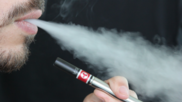
E-cigarettes can help smokers quit—but do not use them casually, researchers warn

The combination of e-cigarettes containing nicotine and 12 weeks of counseling can help smokers quit more effectively than counseling alone.

READ MORE >
Vaping is assocated with similar cardiovascular risks as smoking based on growing clinical study evidence.
Share on Twitter Share on Facebook Share on Linkedin

E-cigarettes can help smokers quit—but do not use them casually, researchers warn

Share on Twitter Share on Facebook Share on Linkedin
Vaping is assocated with similar cardiovascular risks as smoking based on growing clinical study evidence.
The combination of e-cigarettes containing nicotine and 12 weeks of counseling can help smokers quit more effectively than counseling alone.
READ MORE >

TAVR outcomes worse than expected at 11% of US facilities

Transcatheter aortic valve replacement (TAVR) outcomes have been worse than expected for 11% of healthcare providers in the United States, according to a new analysis of data from 2015 to 2017.

READ MORE >
Share on Twitter Share on Facebook Share on Linkedin

TAVR outcomes worse than expected at 11% of US facilities

Share on Twitter Share on Facebook Share on Linkedin
Transcatheter aortic valve replacement (TAVR) outcomes have been worse than expected for 11% of healthcare providers in the United States, according to a new analysis of data from 2015 to 2017.
READ MORE >

TAVR ‘viable and safe’ for patients with a bicuspid valve

Transcatheter aortic valve replacement (TAVR) procedures with a self-expanding artificial valve are “very viable and safe” for low-risk patients with a bicuspid aortic valve, according to new research that tracked the outcomes of 150 patients.

READ MORE >
Share on Twitter Share on Facebook Share on Linkedin

TAVR ‘viable and safe’ for patients with a bicuspid valve

Share on Twitter Share on Facebook Share on Linkedin
Transcatheter aortic valve replacement (TAVR) procedures with a self-expanding artificial valve are “very viable and safe” for low-risk patients with a bicuspid aortic valve, according to new research that tracked the outcomes of 150 patients.
READ MORE >

From the Magazine

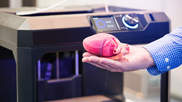
Seeing the Future–in 3D: New CPT Codes Set the Stage for Expanding 3D Printing in Cardiology

Until recently, cardiologists’ eyes tended to glaze over at the mention of using 3D printing in their practices. Most believed the costs would be too high for routine use, that the applications and the price tag were better suited to academic applications.

READ MORE >
Share on Twitter Share on Facebook Share on Linkedin

Seeing the Future–in 3D: New CPT Codes Set the Stage for Expanding 3D Printing in Cardiology

Share on Twitter Share on Facebook Share on Linkedin
Until recently, cardiologists’ eyes tended to glaze over at the mention of using 3D printing in their practices. Most believed the costs would be too high for routine use, that the applications and the price tag were better suited to academic applications.
READ MORE >

New Data Underscore Importance of Looking for HCM Before Scheduling TAVR

Reported in 2018 by anesthesiologists at the University of Florida College of Medicine in Gainesville, the case suggested a message to TAVR operators: “Vigilance and a high degree of suspicion” are critical for avoiding the potentially severe hemodynamic consequences of HCM associated with aortic stenosis, the authors asserted (J Med Case Rep 2018;18;12[1]:372).

READ MORE >
AS and ASH HCM_Naidu_updated.png
Share on Twitter Share on Facebook Share on Linkedin

New Data Underscore Importance of Looking for HCM Before Scheduling TAVR

Share on Twitter Share on Facebook Share on Linkedin
AS and ASH HCM_Naidu_updated.png
Reported in 2018 by anesthesiologists at the University of Florida College of Medicine in Gainesville, the case suggested a message to TAVR operators: “Vigilance and a high degree of suspicion” are critical for avoiding the potentially severe hemodynamic consequences of HCM associated with aortic stenosis, the authors asserted (J Med Case Rep 2018;18;12[1]:372).
READ MORE >

Innovate Healthcare thanks our partners for supporting our newsletters.
Sponsorship has no influence on editorial content.

Interested in reaching our audiences, contact our team

*|LIST:ADDRESSLINE|*

You received this email because you signed up for newsletters from Innovate Healthcare.
Change your preferences or unsubscribe here

Contact Us  |  Unsubscribe from all  |  Privacy Policy

© Innovate Healthcare, a TriMed Media brand
Innovate Healthcare

Recent Newsletters

TAVR for moderate aortic stenosis | BP drug recalled | Stroke prevention device fails | New Medicare cuts | CCTA-guided PCI
A new way to think about the heart health of women | GLP-1 drugs vs. metformin | Cannabis use may increase risk of CVD, stroke
New Medicare payment cuts | Telemedicine vs. in-person cardiology visits | FDA confirms Class I recall | Startup raises $160M
FDA approves transcatheter treatment for PVL | CCTA-guided PCI | Real-world RDN outcomes | J&J launches new IVL catheter
CCTA vs. IVUS for PCI guidance: Carlos Collet reviews the data | The real-world benefits of RDN | New TAVR tech falls short
TAVR Highlights: New data on treating moderate AS | CMS may expand coverage again | Is surgical backup still necessary?
GLP-1 drugs vs. metformin | BP drug recalled | The health risks of cannabis use | Energy drinks linked to heart issues
Newsletter archive
  • Home
  • News
  • Article Archive
  • Custom Content
  • Webinars
  • Press Releases
  • Content Studio
  • Advertising
  • Submit Press Release
  • Contact Us
  • Terms of Use
  • Privacy Policy
  • Cardiovascular Business
  • HealthExec
  • Radiology Business
  • Press Releases
  • Submit Press Release
© 2026 Innovate Healthcare | All Rights Reserved. | Terms of Use | Privacy Policy
Design by Adaptive Theme