The Heart Failure Society of America has released a new comprehensive look at HF clinics in the United States. The report includes more than 300 programs that serve approximately 626,000 patients.
Data on the treatment and management of HFmrEF are limited, but a new scientific statement from the Heart Failure Society of America highlights how important it is to take this condition seriously.
Cardiology has been shifting from reactionary treatment strategies to a greater emphasis on prevention. This is an especially important trend in heart failure, which is associated with high costs and rising hospitalization rates.
Cardiologists often use the word “stable” when describing a heart failure patient who is recovering or showing signs of improvement. That word, however, could be giving patients a false sense of security—and it could even do harm to their long-term health.
The Heart Failure Society of America has released a new comprehensive look at HF clinics in the United States. The report includes more than 300 programs that serve approximately 626,000 patients.
Data on the treatment and management of HFmrEF are limited, but a new scientific statement from the Heart Failure Society of America highlights how important it is to take this condition seriously.
Cardiology has been shifting from reactionary treatment strategies to a greater emphasis on prevention. This is an especially important trend in heart failure, which is associated with high costs and rising hospitalization rates.
Cardiologists often use the word “stable” when describing a heart failure patient who is recovering or showing signs of improvement. That word, however, could be giving patients a false sense of security—and it could even do harm to their long-term health.
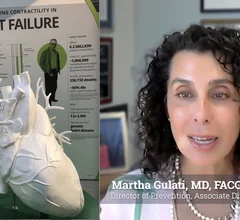
Martha Gulati, MD, co-chair on a new joint scientific statement from the Heart Failure Society of America and the American Society for Preventive Cardiology, discusses the dire need she sees to boost prevention efforts for heart failure.
Approximately one in four Americans will develop heart failure in their lifetime, according to a new report from the Heart Failure Society of America. What can be done to combat this worrisome trend?


![A majority of medical devices involved in Class I recalls were never required by the U.S. Food and Drug Administration (FDA) to undergo premarket or postmarket clinical testing, according to new research published in Annals of Internal Medicine.[1]](/sites/default/files/styles/top_stories/public/2024-09/istock-1209664264.jpg.webp?itok=gQInU1vO)




![A majority of medical devices involved in Class I recalls were never required by the U.S. Food and Drug Administration (FDA) to undergo premarket or postmarket clinical testing, according to new research published in Annals of Internal Medicine.[1]](/sites/default/files/styles/240x220/public/2024-09/istock-1209664264.jpg.webp?itok=OEoT1RAi)