• Clinical
      |Clinical
    • Acute Coronary Syndromes
    • Cardiac Surgery
    • Covid-19
    • Heart Failure
    • Heart Health
    • Heart Rhythm
    • Hypertension
    • Interventional Cardiology
    • Mitral Valve
    • Pharmaceutics
    • Structural Heart Disease
    • TAVR
    • Tricuspid Valve
    • Vascular & Endovascular
  • Management
      |Management
    • Chest Pain Guidelines
    • Compensation
    • Economics
    • Education & Training
    • Legal News
    • Patient Care
    • Policy & Regulations
    • Professional Associations
    • Quality
    • Revenue
    • Staffing
  • Technology
      |Technology
    • AI
    • Cardiac Imaging
    • Cath Lab
    • CT
    • CVIS
    • ECG
    • Echo
    • EP Lab
    • Informatics
    • MRI
    • Nuclear Cardiology
    • Remote Monitoring
  • Videos
  • Conferences
      |Conferences
    • ACC
    • AHA
    • ASE
    • ASNC
    • ESC
    • EuroPCR
    • HFSA
    • HRS
    • HRS
    • SCAI
    • SCCT
    • SIIM
    • SNMMI
    • STS
    • TCT
    • VIVA
  • Custom Content
      |Custom Content
    • Experience Stories
    • Webinars & Videos
  • Subscribe
  • Forty Under 40 Award
      |Forty Under 40 Award
    • Class of 2026
    • Class of 2025

Search form

Home

News You Need to Know Today
Vascular & Endovascular: A new imaging technique for blood vessels | AAA EVAR recommendations | Treating PVT
Wednesday, March 23, 2022
Link to Twitter Link to Facebook Link to Linkedin Link to Vimeo

Editor's Choice: Vascular & Endovascular

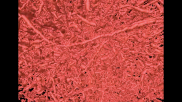
New-look imaging technique could change the way we see blood vessels

The new method, still being tested with mouse models, could help clinicians see blood vessels with improved clarity. 

READ MORE >
The new imaging method VascuViz includes a quick-setting polymer mixture to fill blood vessels and make them visible in multiple imaging techniques. It enables visualization of the structure of a tissue’s vasculature, which in conjunction with detailed mathematical models or complementary images of other tissue elements can clarify the complex role of blood flow in health and disease. Watch a video example of this technology
Share on Twitter Share on Facebook Share on Linkedin

New-look imaging technique could change the way we see blood vessels

Share on Twitter Share on Facebook Share on Linkedin
The new imaging method VascuViz includes a quick-setting polymer mixture to fill blood vessels and make them visible in multiple imaging techniques. It enables visualization of the structure of a tissue’s vasculature, which in conjunction with detailed mathematical models or complementary images of other tissue elements can clarify the complex role of blood flow in health and disease. Watch a video example of this technology
The new method, still being tested with mouse models, could help clinicians see blood vessels with improved clarity. 
READ MORE >

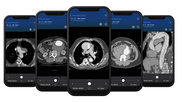
FDA Roundup: AAA EVAR recommendations, key approvals in stroke care and interventional cardiology

The FDA has been busy, sharing recommendations and clearing solutions that could have a significant impact on cardiovascular care throughout the United States. 

READ MORE >
Examples of CT imaging showing aortic dissections on an acute AAA response team app that was recently cleared by the FDA from Viz.AI.
Share on Twitter Share on Facebook Share on Linkedin

FDA Roundup: AAA EVAR recommendations, key approvals in stroke care and interventional cardiology

Share on Twitter Share on Facebook Share on Linkedin
Examples of CT imaging showing aortic dissections on an acute AAA response team app that was recently cleared by the FDA from Viz.AI.
The FDA has been busy, sharing recommendations and clearing solutions that could have a significant impact on cardiovascular care throughout the United States. 
READ MORE >

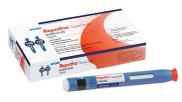
Evolocumab limits adverse cardiovascular outcomes among PCI patients

Data from the FOURIER trial helped clinicians learn more about this popular PCSK9 inhibitor.

READ MORE >
Evolocumab limits adverse cardiovascular outcomes among PCI patients
Share on Twitter Share on Facebook Share on Linkedin

Evolocumab limits adverse cardiovascular outcomes among PCI patients

Share on Twitter Share on Facebook Share on Linkedin
Evolocumab limits adverse cardiovascular outcomes among PCI patients
Data from the FOURIER trial helped clinicians learn more about this popular PCSK9 inhibitor.
READ MORE >

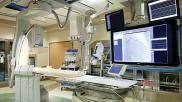
PCI boosts survival for ischemic HF patients with moderate-to-severe mitral regurgitation

Mortality rates can be especially high for ischemic HF patients presenting with FMR and LVSD, but PCI may offer some relief. 

READ MORE >
PCI can improve the odds of survival for some ischemic heart failure patients with moderate-to-severe functional mitral regurgitation, according to a new study. Image courtesy of Beaumont Hospital. Interventional cardiology procedure in a cath lab at Beaumont Hospital.
Share on Twitter Share on Facebook Share on Linkedin

PCI boosts survival for ischemic HF patients with moderate-to-severe mitral regurgitation

Share on Twitter Share on Facebook Share on Linkedin
PCI can improve the odds of survival for some ischemic heart failure patients with moderate-to-severe functional mitral regurgitation, according to a new study. Image courtesy of Beaumont Hospital. Interventional cardiology procedure in a cath lab at Beaumont Hospital.
Mortality rates can be especially high for ischemic HF patients presenting with FMR and LVSD, but PCI may offer some relief. 
READ MORE >

Thrombolysis vs. surgery for prosthetic valve thrombosis

The three-month mortality rate was 2.4% after thrombolysis and 18.7% after surgery.

READ MORE >
Examples of prosthetic heart valve thrombus formation on the valve leaflets. A new study shows better outcomes using tPA vs. surgery to remove the clots. Valve thrombosis. Images from Mayo Clinic
Share on Twitter Share on Facebook Share on Linkedin

Thrombolysis vs. surgery for prosthetic valve thrombosis

Share on Twitter Share on Facebook Share on Linkedin
Examples of prosthetic heart valve thrombus formation on the valve leaflets. A new study shows better outcomes using tPA vs. surgery to remove the clots. Valve thrombosis. Images from Mayo Clinic
The three-month mortality rate was 2.4% after thrombolysis and 18.7% after surgery.
READ MORE >

DOACs may reduce the risk of dementia among AFib patients by 50%

Nearly 19,000 patients with newly diagnosed atrial fibrillation were included in the team's analysis. 

READ MORE >
Share on Twitter Share on Facebook Share on Linkedin

DOACs may reduce the risk of dementia among AFib patients by 50%

Share on Twitter Share on Facebook Share on Linkedin
Nearly 19,000 patients with newly diagnosed atrial fibrillation were included in the team's analysis. 
READ MORE >

Distal radial access consistently lowers risk of artery occlusion during PCI

The new meta-analysis, published in the American Journal of Cardiology, includes data from 16 different studies. 

READ MORE >
While a vast majority of heart transplants in the United States are successful, unplanned hospitalizations after the procedures are still incredibly common. Top 10 reasons for readmission after heart transplant.
Share on Twitter Share on Facebook Share on Linkedin

Distal radial access consistently lowers risk of artery occlusion during PCI

Share on Twitter Share on Facebook Share on Linkedin
While a vast majority of heart transplants in the United States are successful, unplanned hospitalizations after the procedures are still incredibly common. Top 10 reasons for readmission after heart transplant.
The new meta-analysis, published in the American Journal of Cardiology, includes data from 16 different studies. 
READ MORE >

Researchers review PCI outcomes, find little evidence of a ‘July effect’ in interventional cardiology

New trainees may not necessarily lead to a higher risk of medical errors during PCI.

READ MORE >
Cardiac cath lab at the University of California San Diego Health System in La Jolla.
Share on Twitter Share on Facebook Share on Linkedin

Researchers review PCI outcomes, find little evidence of a ‘July effect’ in interventional cardiology

Share on Twitter Share on Facebook Share on Linkedin
Cardiac cath lab at the University of California San Diego Health System in La Jolla.
New trainees may not necessarily lead to a higher risk of medical errors during PCI.
READ MORE >

Innovate Healthcare thanks our partners for supporting our newsletters.
Sponsorship has no influence on editorial content.

Interested in reaching our audiences, contact our team

*|LIST:ADDRESSLINE|*

You received this email because you signed up for newsletters from Innovate Healthcare.
Change your preferences or unsubscribe here

Contact Us  |  Unsubscribe from all  |  Privacy Policy

© Innovate Healthcare, a TriMed Media brand
Innovate Healthcare

Recent Newsletters

Medtech giant makes big move | The world’s top hospitals for heart surgery | New CPT codes | PET vs. SPECT | TAVR tech recalled
AI is gaining ground, but clinicians run the show | Siemens Healthineers doubles down | Electrophysiologist compensation
News Alert: FDA shares warning about heart valve tech after patient death
Cardiologist pay & productivity are up | FDA clears PE thrombectomy devices | Cardiology tech in spotlight | Gore's new approval
Cardiology salaries on the rise | The climbing costs of care | M&A trends | Siemens Healthineers, J&J make big business moves
Major MRI trends | Blood thinner recalled | When to perform PCI before TAVR | How to build a CCTA program | Steroids & the heart
CMS boosts coverage for heart failure tech | FDA approves CardioMEMS updates | LVADs linked to strokes, other risks
Newsletter archive
  • Home
  • News
  • Article Archive
  • Custom Content
  • Webinars
  • Press Releases
  • Content Studio
  • Advertising
  • Submit Press Release
  • Contact Us
  • Terms of Use
  • Privacy Policy
  • Cardiovascular Business
  • HealthExec
  • Radiology Business
  • Press Releases
  • Submit Press Release
© 2026 Innovate Healthcare | All Rights Reserved. | Terms of Use | Privacy Policy
Design by Adaptive Theme