• Clinical
      |Clinical
    • Acute Coronary Syndromes
    • Cardiac Surgery
    • Covid-19
    • Heart Failure
    • Heart Health
    • Heart Rhythm
    • Hypertension
    • Interventional Cardiology
    • Mitral Valve
    • Pharmaceutics
    • Structural Heart Disease
    • TAVR
    • Tricuspid Valve
    • Vascular & Endovascular
  • Management
      |Management
    • Chest Pain Guidelines
    • Compensation
    • Economics
    • Education & Training
    • Legal News
    • Patient Care
    • Policy & Regulations
    • Professional Associations
    • Quality
    • Revenue
    • Staffing
  • Technology
      |Technology
    • AI
    • Cardiac Imaging
    • Cath Lab
    • CT
    • CVIS
    • ECG
    • Echo
    • EP Lab
    • Informatics
    • MRI
    • Nuclear Cardiology
    • Remote Monitoring
  • Videos
  • Conferences
      |Conferences
    • ACC
    • AHA
    • ASE
    • ASNC
    • ESC
    • EuroPCR
    • HFSA
    • HRS
    • HRS
    • SCAI
    • SCCT
    • SIIM
    • SNMMI
    • STS
    • TCT
    • VIVA
  • Custom Content
      |Custom Content
    • Experience Stories
    • Webinars & Videos
  • Subscribe
  • Forty Under 40 Award
      |Forty Under 40 Award
    • Class of 2026
    • Class of 2025

Search form

Home

News You Need to Know Today
A new recall of nearly 88,000 implantable cardiac devices | ESC Congress 2022 | More news from the last week!
Saturday, August 27, 2022
Link to Twitter Link to Facebook Link to Linkedin Link to Vimeo

This Week’s News

FDA announces recall of nearly 88,000 implantable cardiac devices due to risk of serious injury or death

The recall is related to short circuit protection (SCP) alerts that were causing the devices to send reduced-energy electric shocks. There have been 27 customer complaints about the issue so far.

READ MORE >
Product Recall
Share on Twitter Share on Facebook Share on Linkedin

FDA announces recall of nearly 88,000 implantable cardiac devices due to risk of serious injury or death

Share on Twitter Share on Facebook Share on Linkedin
Product Recall
The recall is related to short circuit protection (SCP) alerts that were causing the devices to send reduced-energy electric shocks. There have been 27 customer complaints about the issue so far.
READ MORE >

Medical marijuana linked to a higher risk of heart rhythm issues

The new analysis, presented at ESC Congress 2022, found that a medical marijuana prescription for chronic pain may increase a person's overall arrhythmia risk. 

READ MORE >
The new analysis, based on data from 1.6 million patients, found that a medical marijuana prescription for chronic pain may increase a person's overall arrhythmia risk. Medical marijuana
Share on Twitter Share on Facebook Share on Linkedin

Medical marijuana linked to a higher risk of heart rhythm issues

Share on Twitter Share on Facebook Share on Linkedin
The new analysis, based on data from 1.6 million patients, found that a medical marijuana prescription for chronic pain may increase a person's overall arrhythmia risk. Medical marijuana
The new analysis, presented at ESC Congress 2022, found that a medical marijuana prescription for chronic pain may increase a person's overall arrhythmia risk. 
READ MORE >

Study the signs: The most common symptoms of 6 cardiovascular diseases

A new scientific statement details the most common symptoms associated with heart attacks, heart failure and other cardiac conditions. Importantly, the authors wrote, clinicians must remember that symptoms can vary between men and women. 

READ MORE >
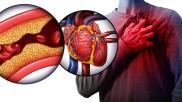
A heart attack is caused when one of the coronary arteries becomes blocked with a clot.
Share on Twitter Share on Facebook Share on Linkedin

Study the signs: The most common symptoms of 6 cardiovascular diseases

Share on Twitter Share on Facebook Share on Linkedin
A heart attack is caused when one of the coronary arteries becomes blocked with a clot.
A new scientific statement details the most common symptoms associated with heart attacks, heart failure and other cardiac conditions. Importantly, the authors wrote, clinicians must remember that symptoms can vary between men and women. 
READ MORE >

NSAID use may not be safe for older patients with type 2 diabetes

The new analysis, based on data from more than 330,000 patients, is scheduled to be presented during ESC Congress 2022. 

READ MORE >
Share on Twitter Share on Facebook Share on Linkedin

NSAID use may not be safe for older patients with type 2 diabetes

Share on Twitter Share on Facebook Share on Linkedin
The new analysis, based on data from more than 330,000 patients, is scheduled to be presented during ESC Congress 2022. 
READ MORE >

Regulatory Roundup: FDA approves new-look self-expanding stent, clears 2 advanced AI models

The FDA has had a busy month, overseeing the recall of nearly 88,000 implantable cardiac devices, juggling the continued rise of monkeypox cases in the United States and maintaining an active Breakthrough Devices program. This rundown covers some of the agency's biggest moves during that time. 

READ MORE >
Echo:Prio represents the latest addition to Dyad Medical's cloud-based Libby platform. Image courtesy of Dyad Medical.
Share on Twitter Share on Facebook Share on Linkedin

Regulatory Roundup: FDA approves new-look self-expanding stent, clears 2 advanced AI models

Share on Twitter Share on Facebook Share on Linkedin
Echo:Prio represents the latest addition to Dyad Medical's cloud-based Libby platform. Image courtesy of Dyad Medical.
The FDA has had a busy month, overseeing the recall of nearly 88,000 implantable cardiac devices, juggling the continued rise of monkeypox cases in the United States and maintaining an active Breakthrough Devices program. This rundown covers some of the agency's biggest moves during that time. 
READ MORE >

FDA announces a new recall of more than 23,000 batteries for Medtronic’s HVAD system

This latest recall was initiated because electrical faults could cause the batteries to stop working, which leads to a risk of serious injury or death.

READ MORE >
Recall | Product recall
Share on Twitter Share on Facebook Share on Linkedin

FDA announces a new recall of more than 23,000 batteries for Medtronic’s HVAD system

Share on Twitter Share on Facebook Share on Linkedin
Recall | Product recall
This latest recall was initiated because electrical faults could cause the batteries to stop working, which leads to a risk of serious injury or death.
READ MORE >

Innovate Healthcare thanks our partners for supporting our newsletters.
Sponsorship has no influence on editorial content.

Interested in reaching our audiences, contact our team

*|LIST:ADDRESSLINE|*

You received this email because you signed up for newsletters from Innovate Healthcare.
Change your preferences or unsubscribe here

Contact Us  |  Unsubscribe from all  |  Privacy Policy

© Innovate Healthcare, a TriMed Media brand
Innovate Healthcare

Recent Newsletters

FDA shares warning due to safety risk | New Siemens Healthineers software | Positive data for self-expanding TAVR valves
FDA wants drug off market | The first CCTA program of its kind | CAC screening for all? | New warnings for GLP-1 drugs
News Alert: Boston Scientific updates catheter instructions to minimize risk
SAVR vs. TAVR in low-risk patients | Heart surgery performed on stage during conference | PCI & CABG for stable heart disease
NY attorney general gets involved in cardiac staffing dispute | New tricuspid valve performs well in pivotal trial
FDA approves first-in-class drug | New stroke prevention device for TAVR falls short | The health risks of cannabis use
GLP-1 will have a lower Medicare price | ACC president says delays for aortic stenosis diagnosis and treatment too long
Newsletter archive
  • Home
  • News
  • Article Archive
  • Custom Content
  • Webinars
  • Press Releases
  • Content Studio
  • Advertising
  • Submit Press Release
  • Contact Us
  • Terms of Use
  • Privacy Policy
  • Cardiovascular Business
  • HealthExec
  • Radiology Business
  • Press Releases
  • Submit Press Release
© 2026 Innovate Healthcare | All Rights Reserved. | Terms of Use | Privacy Policy
Design by Adaptive Theme