• Clinical
      |Clinical
    • Acute Coronary Syndromes
    • Cardiac Surgery
    • Covid-19
    • Heart Failure
    • Heart Health
    • Heart Rhythm
    • Hypertension
    • Interventional Cardiology
    • Mitral Valve
    • Pharmaceutics
    • Structural Heart Disease
    • TAVR
    • Tricuspid Valve
    • Vascular & Endovascular
  • Management
      |Management
    • Chest Pain Guidelines
    • Compensation
    • Economics
    • Education & Training
    • Legal News
    • Patient Care
    • Policy & Regulations
    • Professional Associations
    • Quality
    • Revenue
    • Staffing
  • Technology
      |Technology
    • AI
    • Cardiac Imaging
    • Cath Lab
    • CT
    • CVIS
    • ECG
    • Echo
    • EP Lab
    • Informatics
    • MRI
    • Nuclear Cardiology
    • Remote Monitoring
  • Videos
  • Conferences
      |Conferences
    • ACC
    • AHA
    • ASE
    • ASNC
    • ESC
    • EuroPCR
    • HFSA
    • HRS
    • HRS
    • SCAI
    • SCCT
    • SIIM
    • SNMMI
    • STS
    • TCT
    • VIVA
  • Custom Content
      |Custom Content
    • Experience Stories
    • Webinars & Videos
  • Subscribe
  • Forty Under 40 Award
      |Forty Under 40 Award
    • Class of 2026
    • Class of 2025

Search form

Home

News You Need to Know Today
Heart Rhythm Highlights: Implantable cardiac devices recalled | Medical marijuana & arrhythmias | Much more!
Tuesday, August 30, 2022
Link to Twitter Link to Facebook Link to Linkedin Link to Vimeo

Editor's Choice: Heart Rhythm

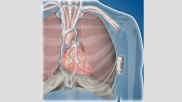
FDA announces recall of nearly 88,000 implantable cardiac devices due to risk of serious injury or death

The recall is related to short circuit protection (SCP) alerts that were causing the devices to send reduced-energy electric shocks. There have been 27 customer complaints about the issue so far.

READ MORE >
Product Recall
Share on Twitter Share on Facebook Share on Linkedin

FDA announces recall of nearly 88,000 implantable cardiac devices due to risk of serious injury or death

Share on Twitter Share on Facebook Share on Linkedin
Product Recall
The recall is related to short circuit protection (SCP) alerts that were causing the devices to send reduced-energy electric shocks. There have been 27 customer complaints about the issue so far.
READ MORE >

Medical marijuana linked to a higher risk of heart rhythm issues

The new analysis, presented at ESC Congress 2022, found that a medical marijuana prescription for chronic pain may increase a person's overall arrhythmia risk. 

READ MORE >
The new analysis, based on data from 1.6 million patients, found that a medical marijuana prescription for chronic pain may increase a person's overall arrhythmia risk. Medical marijuana
Share on Twitter Share on Facebook Share on Linkedin

Medical marijuana linked to a higher risk of heart rhythm issues

Share on Twitter Share on Facebook Share on Linkedin
The new analysis, based on data from 1.6 million patients, found that a medical marijuana prescription for chronic pain may increase a person's overall arrhythmia risk. Medical marijuana
The new analysis, presented at ESC Congress 2022, found that a medical marijuana prescription for chronic pain may increase a person's overall arrhythmia risk. 
READ MORE >

AFib screening using wearable devices found to be cost-effective for patients as young as 50

While current guidelines endorse screening for people aged 65 and above, a massive simulation published in JAMA Health Forum suggests that cost-effectiveness may extend to even younger age groups.

READ MORE >
The U.S. Food and Drug Administration (FDA) has issued a new warning against the use of watches, rings and other devices that claim to measure blood glucose levels without piercing the skin. These unapproved devices come from “dozens of companies” and are sold “under multiple brand names.”
Share on Twitter Share on Facebook Share on Linkedin

AFib screening using wearable devices found to be cost-effective for patients as young as 50

Share on Twitter Share on Facebook Share on Linkedin
The U.S. Food and Drug Administration (FDA) has issued a new warning against the use of watches, rings and other devices that claim to measure blood glucose levels without piercing the skin. These unapproved devices come from “dozens of companies” and are sold “under multiple brand names.”
While current guidelines endorse screening for people aged 65 and above, a massive simulation published in JAMA Health Forum suggests that cost-effectiveness may extend to even younger age groups.
READ MORE >

Medtronic’s first-of-its-kind ICD meets safety endpoints in global clinical trial

The promising results were presented at ESC Congress 2022 and published in the New England Journal of Medicine. Medtronic's new-look device is not yet approved for sale or distribution. 

READ MORE >
Medtronic shared some good news with attendees at ESC Congress 2022 in Barcelona, the annual meeting of the European Society of Cardiology, noting that its Extravascular Implantable Cardioverter Defibrillator (EV ICD) system met its safety endpoints in a global clinical trial. Medtronic EV ICD clinical trial safety endpoints ESC Congress 2022 #ESC #ESC2022 #ESC22
Share on Twitter Share on Facebook Share on Linkedin

Medtronic’s first-of-its-kind ICD meets safety endpoints in global clinical trial

Share on Twitter Share on Facebook Share on Linkedin
Medtronic shared some good news with attendees at ESC Congress 2022 in Barcelona, the annual meeting of the European Society of Cardiology, noting that its Extravascular Implantable Cardioverter Defibrillator (EV ICD) system met its safety endpoints in a global clinical trial. Medtronic EV ICD clinical trial safety endpoints ESC Congress 2022 #ESC #ESC2022 #ESC22
The promising results were presented at ESC Congress 2022 and published in the New England Journal of Medicine. Medtronic's new-look device is not yet approved for sale or distribution. 
READ MORE >

Very low doses of edoxaban are safe and effective for frail, elderly AFib patients

Elderly patients are often not eligible for oral anticoagulant therapy due to the risk of bleeding events or other adverse outcomes. A very low dose of edoxaban, however, appears to be a safe treatment option, even for especially frail patients.

READ MORE >
Treating elderly atrial fibrillation (AFib) patients—even those who are traditionally ineligible for direct oral anticoagulants (DOACs)—with a very low dose of edoxaban is associated with improved outcomes, according to new research published in JAMA Network Open.
Share on Twitter Share on Facebook Share on Linkedin

Very low doses of edoxaban are safe and effective for frail, elderly AFib patients

Share on Twitter Share on Facebook Share on Linkedin
Treating elderly atrial fibrillation (AFib) patients—even those who are traditionally ineligible for direct oral anticoagulants (DOACs)—with a very low dose of edoxaban is associated with improved outcomes, according to new research published in JAMA Network Open.
Elderly patients are often not eligible for oral anticoagulant therapy due to the risk of bleeding events or other adverse outcomes. A very low dose of edoxaban, however, appears to be a safe treatment option, even for especially frail patients.
READ MORE >

Innovate Healthcare thanks our partners for supporting our newsletters.
Sponsorship has no influence on editorial content.

Interested in reaching our audiences, contact our team

*|LIST:ADDRESSLINE|*

You received this email because you signed up for newsletters from Innovate Healthcare.
Change your preferences or unsubscribe here

Contact Us  |  Unsubscribe from all  |  Privacy Policy

© Innovate Healthcare, a TriMed Media brand
Innovate Healthcare

Recent Newsletters

AI is gaining ground, but clinicians run the show | Siemens Healthineers doubles down | Electrophysiologist compensation
News Alert: FDA shares warning about heart valve tech after patient death
Cardiologist pay & productivity are up | FDA clears PE thrombectomy devices | Cardiology tech in spotlight | Gore's new approval
Cardiology salaries on the rise | The climbing costs of care | M&A trends | Siemens Healthineers, J&J make big business moves
Major MRI trends | Blood thinner recalled | When to perform PCI before TAVR | How to build a CCTA program | Steroids & the heart
CMS boosts coverage for heart failure tech | FDA approves CardioMEMS updates | LVADs linked to strokes, other risks
M&A activity in cardiology: Exploring key trends | Cardiac PET vs. SPECT | Doctors support Medicare covering TAVR for AR
Newsletter archive
  • Home
  • News
  • Article Archive
  • Custom Content
  • Webinars
  • Press Releases
  • Content Studio
  • Advertising
  • Submit Press Release
  • Contact Us
  • Terms of Use
  • Privacy Policy
  • Cardiovascular Business
  • HealthExec
  • Radiology Business
  • Press Releases
  • Submit Press Release
© 2026 Innovate Healthcare | All Rights Reserved. | Terms of Use | Privacy Policy
Design by Adaptive Theme