• Clinical
      |Clinical
    • Acute Coronary Syndromes
    • Cardiac Surgery
    • Covid-19
    • Heart Failure
    • Heart Health
    • Heart Rhythm
    • Hypertension
    • Interventional Cardiology
    • Mitral Valve
    • Pharmaceutics
    • Structural Heart Disease
    • TAVR
    • Tricuspid Valve
    • Vascular & Endovascular
  • Management
      |Management
    • Chest Pain Guidelines
    • Compensation
    • Economics
    • Education & Training
    • Legal News
    • Patient Care
    • Policy & Regulations
    • Professional Associations
    • Quality
    • Revenue
    • Staffing
  • Technology
      |Technology
    • AI
    • Cardiac Imaging
    • Cath Lab
    • CT
    • CVIS
    • ECG
    • Echo
    • EP Lab
    • Informatics
    • MRI
    • Nuclear Cardiology
    • Remote Monitoring
  • Videos
  • Conferences
      |Conferences
    • ACC
    • AHA
    • ASE
    • ASNC
    • ESC
    • EuroPCR
    • HFSA
    • HRS
    • HRS
    • SCAI
    • SCCT
    • SIIM
    • SNMMI
    • STS
    • TCT
    • VIVA
  • Custom Content
      |Custom Content
    • Experience Stories
    • Webinars & Videos
  • Subscribe
  • Forty Under 40 Award
      |Forty Under 40 Award
    • Class of 2026
    • Class of 2025

Search form

Home

News You Need to Know Today
FDA's warning about Trifecta heart valves | Heart attack deaths going down | A new-look device for PCI & TAVR
Tuesday, February 28, 2023
Link to Twitter Link to Facebook Link to Linkedin Link to Vimeo

Today's News and Trends

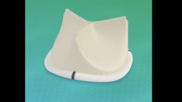
FDA warns that early deterioration is possible with Abbott’s Trifecta heart valves

Early SVD has been reported in these devices, particularly three to four years after implantation. According to the FDA, this has resulted in surgical replacement procedures and transcatheter valve-in-valve interventions. In some cases, the patient died.

READ MORE >
Abbott and the U.S. Food and Drug Administration (FDA) are warning healthcare providers about the potential risk of early structural valve deterioration (SVD) with Abbott’s line of Trifecta bioprosthetic heart valves. This includes the original Trifecta valve and the Trifecta GT, which are both designed to treat disease, damaged or malfunctioning aortic heart valves.
Share on Twitter Share on Facebook Share on Linkedin

FDA warns that early deterioration is possible with Abbott’s Trifecta heart valves

Share on Twitter Share on Facebook Share on Linkedin
Abbott and the U.S. Food and Drug Administration (FDA) are warning healthcare providers about the potential risk of early structural valve deterioration (SVD) with Abbott’s line of Trifecta bioprosthetic heart valves. This includes the original Trifecta valve and the Trifecta GT, which are both designed to treat disease, damaged or malfunctioning aortic heart valves.
Early SVD has been reported in these devices, particularly three to four years after implantation. According to the FDA, this has resulted in surgical replacement procedures and transcatheter valve-in-valve interventions. In some cases, the patient died.
READ MORE >

Heart attack deaths down in US: ‘We’re making progress in the right direction’

The study, to be presented March 5 at ACC.23/WCC in New Orleans, examined outcomes data from 1999 to 2020. 

READ MORE >
New research out of the Yale School of Public Health suggests that patients taking beta-blockers or antiplatelet medications may want to be extra careful in warmer weather.
Share on Twitter Share on Facebook Share on Linkedin

Heart attack deaths down in US: ‘We’re making progress in the right direction’

Share on Twitter Share on Facebook Share on Linkedin
New research out of the Yale School of Public Health suggests that patients taking beta-blockers or antiplatelet medications may want to be extra careful in warmer weather.
The study, to be presented March 5 at ACC.23/WCC in New Orleans, examined outcomes data from 1999 to 2020. 
READ MORE >

New direct wire pacing device shows potential during PCI and TAVR, first-in-human study finds

Early evidence suggests the Electroducer Sleeve is safe and effective among patients presenting for certain interventional procedures. 

READ MORE >
ElectroDucer Sleeve PCI TAVR EuroIntervention
Share on Twitter Share on Facebook Share on Linkedin

New direct wire pacing device shows potential during PCI and TAVR, first-in-human study finds

Share on Twitter Share on Facebook Share on Linkedin
ElectroDucer Sleeve PCI TAVR EuroIntervention
Early evidence suggests the Electroducer Sleeve is safe and effective among patients presenting for certain interventional procedures. 
READ MORE >

Featured Articles

Daily marijuana use significantly increases risk of coronary artery disease

Monthly marijuana use, meanwhile, was not associated with a greater CAD risk. The full study is scheduled to be presented at ACC.23/WCC in New Orleans.

READ MORE >
Share on Twitter Share on Facebook Share on Linkedin

Daily marijuana use significantly increases risk of coronary artery disease

Share on Twitter Share on Facebook Share on Linkedin
Monthly marijuana use, meanwhile, was not associated with a greater CAD risk. The full study is scheduled to be presented at ACC.23/WCC in New Orleans.
READ MORE >

What do interventional cardiologists need to treat PAD and CLI?

Sahil Parikh, MD, director of endovascular services at Columbia University Irving Medical Center, said treating these patients can be quite challenging. 

READ MORE >
Sahil A. Parikh, MD, Director of Endovascular Services at Columbia University Irving Medical Center and Associate Professor of Medicine at the Columbia University College of Physicians and Surgeons, explained the growing trend or interventional cardiologists treating PAD and CLI. He shares what he thinks is important for cardiology departments to know before expanding expanding their programs in this space.
Share on Twitter Share on Facebook Share on Linkedin

What do interventional cardiologists need to treat PAD and CLI?

Share on Twitter Share on Facebook Share on Linkedin
Sahil A. Parikh, MD, Director of Endovascular Services at Columbia University Irving Medical Center and Associate Professor of Medicine at the Columbia University College of Physicians and Surgeons, explained the growing trend or interventional cardiologists treating PAD and CLI. He shares what he thinks is important for cardiology departments to know before expanding expanding their programs in this space.
Sahil Parikh, MD, director of endovascular services at Columbia University Irving Medical Center, said treating these patients can be quite challenging. 
READ MORE >

Canada’s first Black female interventional cardiologist honored with new doll

Alexandra Bastiany, MD, made history when she became Canada’s first Black female interventional cardiologist in 2020. Now, that achievement is being recognized in a surprising way.

READ MORE >
Share on Twitter Share on Facebook Share on Linkedin

Canada’s first Black female interventional cardiologist honored with new doll

Share on Twitter Share on Facebook Share on Linkedin
Alexandra Bastiany, MD, made history when she became Canada’s first Black female interventional cardiologist in 2020. Now, that achievement is being recognized in a surprising way.
READ MORE >

Hormone therapy for gender dysphoria linked to higher cardiovascular risks

“It's all about risks and benefits," one researcher said. "Starting transitioning is a big part of a person's life and helping them feel more themselves, but hormone replacement therapy also has a lot of side effects—it's not a risk-free endeavor."

READ MORE >
Options for choosing transgender gender sex or gender choice are now offered in most PACS and RIS systems.
Share on Twitter Share on Facebook Share on Linkedin

Hormone therapy for gender dysphoria linked to higher cardiovascular risks

Share on Twitter Share on Facebook Share on Linkedin
Options for choosing transgender gender sex or gender choice are now offered in most PACS and RIS systems.
“It's all about risks and benefits," one researcher said. "Starting transitioning is a big part of a person's life and helping them feel more themselves, but hormone replacement therapy also has a lot of side effects—it's not a risk-free endeavor."
READ MORE >

In Case You Missed It

Q&A: What the rise of private equity investments in cardiology means for cardiologists and their patients

Private equity investors have grown more and more interested in cardiology in recent years. Why the sudden shift? And what does it mean for patient care going forward? 

READ MORE >
Private equity investors have grown more and more interested in cardiology in recent years. Roger Strode, a partner with the global law firm Foley and Lardner LLP, explains why this is.
Share on Twitter Share on Facebook Share on Linkedin

Q&A: What the rise of private equity investments in cardiology means for cardiologists and their patients

Share on Twitter Share on Facebook Share on Linkedin
Private equity investors have grown more and more interested in cardiology in recent years. Roger Strode, a partner with the global law firm Foley and Lardner LLP, explains why this is.
Private equity investors have grown more and more interested in cardiology in recent years. Why the sudden shift? And what does it mean for patient care going forward? 
READ MORE >

Cardiac imagers need to understand AI as it enters clinical use and ACC guidelines

Most FDA-cleared AI algorithms are related to radiology and cardiology, meaning radiologists and cardiologists need to make an effort to learn how these technologies work.

READ MORE >
Ed Nicol, MD, consultant cardiologist and honorary senior clinical lecturer with Kings College London and president-elect of the Society of Cardiovascular Computed Tomography (SCCT), explained artificial intelligence (AI) in cardiac CT is here to stay and its use is expanding. He noted that one AI-based algorithm is already included in recent cardiology guidelines and more will likely follow. #SCCT
Share on Twitter Share on Facebook Share on Linkedin

Cardiac imagers need to understand AI as it enters clinical use and ACC guidelines

Share on Twitter Share on Facebook Share on Linkedin
Ed Nicol, MD, consultant cardiologist and honorary senior clinical lecturer with Kings College London and president-elect of the Society of Cardiovascular Computed Tomography (SCCT), explained artificial intelligence (AI) in cardiac CT is here to stay and its use is expanding. He noted that one AI-based algorithm is already included in recent cardiology guidelines and more will likely follow. #SCCT
Most FDA-cleared AI algorithms are related to radiology and cardiology, meaning radiologists and cardiologists need to make an effort to learn how these technologies work.
READ MORE >

In Other News

GE HealthCare inks new joint venture aimed at broadening access to imaging

The Chicago-headquartered medical technology company is teaming with a subsidiary of Sinopharm, China’s state-owned drugmaker, around CT and ultrasound.

READ MORE >
Share on Twitter Share on Facebook Share on Linkedin

GE HealthCare inks new joint venture aimed at broadening access to imaging

Share on Twitter Share on Facebook Share on Linkedin
The Chicago-headquartered medical technology company is teaming with a subsidiary of Sinopharm, China’s state-owned drugmaker, around CT and ultrasound.
READ MORE >

New ransomware threat with ties to Russia targets healthcare providers

The "prolific" ransomware group Clop is associated with Russia and has managed to breach some major healthcare systems.

READ MORE >
Cybercrime
Share on Twitter Share on Facebook Share on Linkedin

New ransomware threat with ties to Russia targets healthcare providers

Share on Twitter Share on Facebook Share on Linkedin
Cybercrime
The "prolific" ransomware group Clop is associated with Russia and has managed to breach some major healthcare systems.
READ MORE >

Innovate Healthcare thanks our partners for supporting our newsletters.
Sponsorship has no influence on editorial content.

Interested in reaching our audiences, contact our team

*|LIST:ADDRESSLINE|*

You received this email because you signed up for newsletters from Innovate Healthcare.
Change your preferences or unsubscribe here

Contact Us  |  Unsubscribe from all  |  Privacy Policy

© Innovate Healthcare, a TriMed Media brand
Innovate Healthcare

Recent Newsletters

Medtech giant makes big move | The world’s top hospitals for heart surgery | New CPT codes | PET vs. SPECT | TAVR tech recalled
AI is gaining ground, but clinicians run the show | Siemens Healthineers doubles down | Electrophysiologist compensation
News Alert: FDA shares warning about heart valve tech after patient death
Cardiologist pay & productivity are up | FDA clears PE thrombectomy devices | Cardiology tech in spotlight | Gore's new approval
Cardiology salaries on the rise | The climbing costs of care | M&A trends | Siemens Healthineers, J&J make big business moves
Major MRI trends | Blood thinner recalled | When to perform PCI before TAVR | How to build a CCTA program | Steroids & the heart
CMS boosts coverage for heart failure tech | FDA approves CardioMEMS updates | LVADs linked to strokes, other risks
Newsletter archive
  • Home
  • News
  • Article Archive
  • Custom Content
  • Webinars
  • Press Releases
  • Content Studio
  • Advertising
  • Submit Press Release
  • Contact Us
  • Terms of Use
  • Privacy Policy
  • Cardiovascular Business
  • HealthExec
  • Radiology Business
  • Press Releases
  • Submit Press Release
© 2026 Innovate Healthcare | All Rights Reserved. | Terms of Use | Privacy Policy
Design by Adaptive Theme