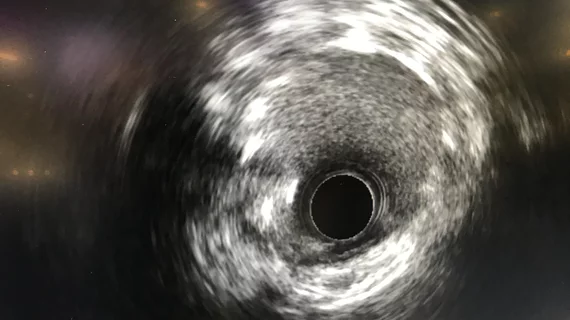
Example of intravascular ultrasound (IVUS) shown as part of the multimodality imaging capability on the Fujifilm CVIS.
Increasing the use of intravascular ultrasound when performing lower-extremity revascularization procedures could limit complications and improve patient outcomes, according to new recommendations from several medical societies.
Cardiologist Roberto Canessa, MD, was just 19 when the plane he was on—Uruguayan Air Force Flight 571—crashed in the Andes in 1972. He and another survivor trekked in the cold for 38 miles to find help, leading to the group's rescue.
New guidelines from the American Society of Echocardiography, made in collaboration with the Society for Cardiovascular Magnetic Resonance and Society of Cardiovascular Computed Tomography, represent an update of the group's original recommendations from 2009.
The heart of a 43-year-old prisoner is still missing nearly eight weeks after he was found dead at Ventress Correctional Facility in Alabama. A judge heard from five witnesses on Jan. 5, but made little progress on solving the mystery.
According to CEO Sabine Bois, a veteran of the medical device industry, this approval represents a "significant leap forward" in the company's commitment to heart patients.
The veteran interventional cardiologist was initially sentenced to five years in prison for healthcare fraud. After multiple appeals and some significant updates, however, he was granted a new trial.