Major TAVR policy changes appear to be on the way—should clinicians be excited or concerned? Leading U.S. medical societies are sharing their early reactions.
The new Class I recall, which includes more than 1.4 million devices, is related to an issue first announced back in 2024. Updating the software should address the issue going forward, though some patients may still require an early replacement.
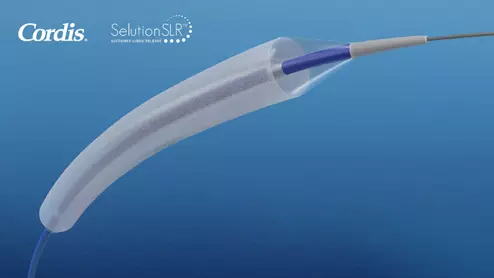
Using a DCB that releases sirolimus over an extended period of time appears to be both safe and effective when treating patients who present with NSTEMI or unstable angina.
The popular drugs, originally developed to treat diabetes, were also associated with an improved survival rate. Benefits were seen in patients who did and did not lose significant weight as a result of treatment.
Follow-up care after a successful heart transplant can be challenging—both for providers and their patients. Consider, for example, the fact that so many patients who develop complications never actually present with symptoms.