• Clinical
      |Clinical
    • Acute Coronary Syndromes
    • Cardiac Surgery
    • Covid-19
    • Heart Failure
    • Heart Health
    • Heart Rhythm
    • Hypertension
    • Interventional Cardiology
    • Mitral Valve
    • Pharmaceutics
    • Structural Heart Disease
    • TAVR
    • Tricuspid Valve
    • Vascular & Endovascular
  • Management
      |Management
    • Chest Pain Guidelines
    • Compensation
    • Economics
    • Education & Training
    • Legal News
    • Patient Care
    • Policy & Regulations
    • Professional Associations
    • Quality
    • Revenue
    • Staffing
  • Technology
      |Technology
    • AI
    • Cardiac Imaging
    • Cath Lab
    • CT
    • CVIS
    • ECG
    • Echo
    • EP Lab
    • Informatics
    • MRI
    • Nuclear Cardiology
    • Remote Monitoring
  • Videos
  • Conferences
      |Conferences
    • ACC
    • AHA
    • ASE
    • ASNC
    • ESC
    • EuroPCR
    • HFSA
    • HRS
    • HRS
    • SCAI
    • SCCT
    • SIIM
    • SNMMI
    • STS
    • TCT
    • VIVA
  • Custom Content
      |Custom Content
    • Experience Stories
    • Webinars & Videos
  • Subscribe
  • Forty Under 40 Award
      |Forty Under 40 Award
    • Class of 2026
    • Class of 2025

Search form

Home

News You Need to Know Today
Top 10 most popular cardiology video interviews this past month
Sunday, November 22, 2026
Link to Twitter Link to Facebook Link to Linkedin Link to Vimeo

Top Video Content

SCAI refines cardiogenic shock classifications

The update is seen as an important step toward unifying the field around a common framework while identifying areas where more evidence is needed.

READ MORE >
Srihari Naidu, MD, FACC, FAHA, MSCAI, Immediate-Past SCAI President, Director, Cath Labs, Westchester Medical Center, explained the new 2026 SCAI SHOCK Classification Expert Consensus Update.
Share on Twitter Share on Facebook Share on Linkedin

SCAI refines cardiogenic shock classifications

Share on Twitter Share on Facebook Share on Linkedin
Srihari Naidu, MD, FACC, FAHA, MSCAI, Immediate-Past SCAI President, Director, Cath Labs, Westchester Medical Center, explained the new 2026 SCAI SHOCK Classification Expert Consensus Update.
The update is seen as an important step toward unifying the field around a common framework while identifying areas where more evidence is needed.
READ MORE >

CCTA matches IVUS for PCI guidance: Imaging expert Carlos Collet breaks down the data

In terms of the study's primary endpoint, using CCTA to guide procedures was noninferior to IVUS. CCTA was also linked to certain advantages over IVUS, including improved cath lab efficiency. 

READ MORE >
Carlos Collet, MD, PhD, Director, Cardiovascular Imaging, Physiology, and Translational Therapeutics, Cardiovascular Research Foundation (CRF), explains the P4 trial, which found CCTA-guided PCI is more efficient than IVUS-guided PCI.
Share on Twitter Share on Facebook Share on Linkedin

CCTA matches IVUS for PCI guidance: Imaging expert Carlos Collet breaks down the data

Share on Twitter Share on Facebook Share on Linkedin
Carlos Collet, MD, PhD, Director, Cardiovascular Imaging, Physiology, and Translational Therapeutics, Cardiovascular Research Foundation (CRF), explains the P4 trial, which found CCTA-guided PCI is more efficient than IVUS-guided PCI.
In terms of the study's primary endpoint, using CCTA to guide procedures was noninferior to IVUS. CCTA was also linked to certain advantages over IVUS, including improved cath lab efficiency. 
READ MORE >

New CPT codes are expanding reimbursement for AI-powered CCTA tools

New codes for these technologies have made a world of difference for clinicians. Reimbursement for the use of AI is an area where cardiology is far ahead of most other healthcare specialties.

READ MORE >
Cara Santillo explains how new CPT codes are expanding reimbursement CCTA AI. #Heartflow #SCCT #YesCCT
Share on Twitter Share on Facebook Share on Linkedin

New CPT codes are expanding reimbursement for AI-powered CCTA tools

Share on Twitter Share on Facebook Share on Linkedin
Cara Santillo explains how new CPT codes are expanding reimbursement CCTA AI. #Heartflow #SCCT #YesCCT
New codes for these technologies have made a world of difference for clinicians. Reimbursement for the use of AI is an area where cardiology is far ahead of most other healthcare specialties.
READ MORE >

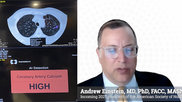
CCTA screening shows potential, but more research is necessary

Andrew Einstein, MD, PhD, spoke to Cardiovascular Business about the potential benefits and limitations of using coronary CT angiography as a screening modality.

READ MORE >
 Andrew Einstein, MD, PhD, FACC, MASNC, MSCCT, FSCMR, incoming 2027 president of the American Society of Nuclear Cardiology (ASNC), professor of medicine in radiology, and director of nuclear cardiology, cardiac CT and cardiac MRI at Columbia University Irving Medical Center/NewYork-Presbyterian Hospital, discusses the potential and limitations of using coronary CT angiography (CCTA) as a screening modality. He also discusses the role of opportunistic imaging.
Share on Twitter Share on Facebook Share on Linkedin

CCTA screening shows potential, but more research is necessary

Share on Twitter Share on Facebook Share on Linkedin
 Andrew Einstein, MD, PhD, FACC, MASNC, MSCCT, FSCMR, incoming 2027 president of the American Society of Nuclear Cardiology (ASNC), professor of medicine in radiology, and director of nuclear cardiology, cardiac CT and cardiac MRI at Columbia University Irving Medical Center/NewYork-Presbyterian Hospital, discusses the potential and limitations of using coronary CT angiography (CCTA) as a screening modality. He also discusses the role of opportunistic imaging.
Andrew Einstein, MD, PhD, spoke to Cardiovascular Business about the potential benefits and limitations of using coronary CT angiography as a screening modality.
READ MORE >

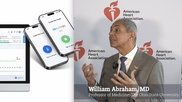
Voice changes may detect worsening heart failure weeks before other symptoms appear

A new AI-powered voice analysis system is much more accurate than the current standard of care, according to new data presented at AHA Scientific Sessions 2026. The technology was specifically built to be user-friendly, requiring patients to speak just a handful of sentences into their smartphone each day. 

READ MORE >
William Abraham, MD, cardiologist and professor of medicine at The Ohio State University Wexner Medical Center, presented the results of the late-breaking DETECT-HF trial here at the American Heart Association (AHA) 2026 Scientific Sessions. The trial found use of remote voice analysis was able to very accurately monitor ambulatory heart failure patients for small changes in voice alone to diagnosis worsening of heart failure conditions much earlier than the current standard of care.
Share on Twitter Share on Facebook Share on Linkedin

Voice changes may detect worsening heart failure weeks before other symptoms appear

Share on Twitter Share on Facebook Share on Linkedin
William Abraham, MD, cardiologist and professor of medicine at The Ohio State University Wexner Medical Center, presented the results of the late-breaking DETECT-HF trial here at the American Heart Association (AHA) 2026 Scientific Sessions. The trial found use of remote voice analysis was able to very accurately monitor ambulatory heart failure patients for small changes in voice alone to diagnosis worsening of heart failure conditions much earlier than the current standard of care.
A new AI-powered voice analysis system is much more accurate than the current standard of care, according to new data presented at AHA Scientific Sessions 2026. The technology was specifically built to be user-friendly, requiring patients to speak just a handful of sentences into their smartphone each day. 
READ MORE >

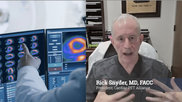
Safer, faster, more effective: Why cardiac PET should be the primary nuclear modality

Rick Snyder, MD, president of the Cardiac PET Alliance, says PET offers better images than SPECT and is associated with much less radiation.

READ MORE >
Rick Snyder, MD, FACC, president of the Cardiac PET Alliance, president of HeartPlace and chief physician executive at U.S. Heart and Vascular, spoke with Cardiovascular Business in the above video interview. He said the organization is working with lawmakers and healthcare systems to expand access to cardiac PET. The effort also aims to educate government and commercial payers about the technology's potential to improve patient care while reducing overall healthcare costs.
Share on Twitter Share on Facebook Share on Linkedin

Safer, faster, more effective: Why cardiac PET should be the primary nuclear modality

Share on Twitter Share on Facebook Share on Linkedin
Rick Snyder, MD, FACC, president of the Cardiac PET Alliance, president of HeartPlace and chief physician executive at U.S. Heart and Vascular, spoke with Cardiovascular Business in the above video interview. He said the organization is working with lawmakers and healthcare systems to expand access to cardiac PET. The effort also aims to educate government and commercial payers about the technology's potential to improve patient care while reducing overall healthcare costs.
Rick Snyder, MD, president of the Cardiac PET Alliance, says PET offers better images than SPECT and is associated with much less radiation.
READ MORE >

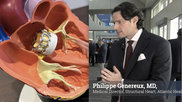
Cardiologist explains why TAVR may be beneficial for select patients with moderate aortic stenosis

Cardiologist Philippe Généreux spoke to Cardiovascular Business about the highly anticipated PROGRESS trial. "What we learned from this trial is that moderate aortic stenosis should not be seen anymore as a benign entity," he said. 

READ MORE >
Philippe Genereux, MD, Atlantic Health Morristown Medical Center, explains the late-breaking PROGRESS Trial and why TAVR should be done earlier in moderate aortic stenosis patients. #TCT2026 #TAVR
Share on Twitter Share on Facebook Share on Linkedin

Cardiologist explains why TAVR may be beneficial for select patients with moderate aortic stenosis

Share on Twitter Share on Facebook Share on Linkedin
Philippe Genereux, MD, Atlantic Health Morristown Medical Center, explains the late-breaking PROGRESS Trial and why TAVR should be done earlier in moderate aortic stenosis patients. #TCT2026 #TAVR
Cardiologist Philippe Généreux spoke to Cardiovascular Business about the highly anticipated PROGRESS trial. "What we learned from this trial is that moderate aortic stenosis should not be seen anymore as a benign entity," he said. 
READ MORE >

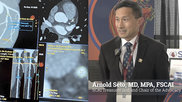
CCTA helping more and more cardiologists plan ahead before PCI

CCTA offers clinicians an opportunity to make patient care more efficient. However, interventionalists need to make sure they understand how to properly interpret coronary CT data.

READ MORE >
Arnold Seto, MD, MPA, FSCAI, Cath Lab Director, VA Long Beach Healthcare System, Long Beach, professor of medicine at Charles Drew University, and the Society for Cardiovascular Angiography and Interventions (SCAI) treasurer and and chair of the advocacy committee, explains how interventional cardiology is undergoing a transition to pre-planning percutaneous coronary interventions (PCI) using CT can information rather than than making decisions on the fly and making best guesses on device sizings. #YesCCT
Share on Twitter Share on Facebook Share on Linkedin

CCTA helping more and more cardiologists plan ahead before PCI

Share on Twitter Share on Facebook Share on Linkedin
Arnold Seto, MD, MPA, FSCAI, Cath Lab Director, VA Long Beach Healthcare System, Long Beach, professor of medicine at Charles Drew University, and the Society for Cardiovascular Angiography and Interventions (SCAI) treasurer and and chair of the advocacy committee, explains how interventional cardiology is undergoing a transition to pre-planning percutaneous coronary interventions (PCI) using CT can information rather than than making decisions on the fly and making best guesses on device sizings. #YesCCT
CCTA offers clinicians an opportunity to make patient care more efficient. However, interventionalists need to make sure they understand how to properly interpret coronary CT data.
READ MORE >

AHA Scientific Sessions 2026: Key trends include AI, negative trial results and multidisciplinary care

Meeting chair Joanna Chikwe, MD, spoke to Cardiovascular Business about some of her biggest takeaways from the four-day event.

READ MORE >
Video interview with Joanna Chikwe, MD, FRCS, chair on the American Heart Association 2026 Scientific Sessions, and chair of the Department of Cardiac Surgery in the Smidt Heart Institute at Cedars-Sinai, explains some key trends in cardiology at the AHA meeting. #AHA2026
Share on Twitter Share on Facebook Share on Linkedin

AHA Scientific Sessions 2026: Key trends include AI, negative trial results and multidisciplinary care

Share on Twitter Share on Facebook Share on Linkedin
Video interview with Joanna Chikwe, MD, FRCS, chair on the American Heart Association 2026 Scientific Sessions, and chair of the Department of Cardiac Surgery in the Smidt Heart Institute at Cedars-Sinai, explains some key trends in cardiology at the AHA meeting. #AHA2026
Meeting chair Joanna Chikwe, MD, spoke to Cardiovascular Business about some of her biggest takeaways from the four-day event.
READ MORE >

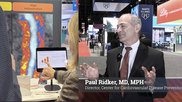
Researcher shares key insights after ZEUS trial delivers neutral result

The greater cardiology community was hopeful ZEUS could open the door for significant improvements in patient care. After the trial failed to deliver on that promise, it's time to consider where things went wrong. 

READ MORE >
Paul Ridker, MD, MPH, director of the Center for Cardiovascular Disease Prevention at Brigham and Women's Hospital, and a Professor of Medicine at Harvard School of Medicine presented the late-breaking ZEUS trial that evaluated Ziltivekimab, a new interleukin-6 (IL-6) inhibitor to lower coronary inflammation. While it lowered inflammation, it did not change cardiovascular event outcomes compared to placebo.
Share on Twitter Share on Facebook Share on Linkedin

Researcher shares key insights after ZEUS trial delivers neutral result

Share on Twitter Share on Facebook Share on Linkedin
Paul Ridker, MD, MPH, director of the Center for Cardiovascular Disease Prevention at Brigham and Women's Hospital, and a Professor of Medicine at Harvard School of Medicine presented the late-breaking ZEUS trial that evaluated Ziltivekimab, a new interleukin-6 (IL-6) inhibitor to lower coronary inflammation. While it lowered inflammation, it did not change cardiovascular event outcomes compared to placebo.
The greater cardiology community was hopeful ZEUS could open the door for significant improvements in patient care. After the trial failed to deliver on that promise, it's time to consider where things went wrong. 
READ MORE >

Innovate Healthcare thanks our partners for supporting our newsletters.
Sponsorship has no influence on editorial content.

Interested in reaching our audiences, contact our team

*|LIST:ADDRESSLINE|*

You received this email because you signed up for newsletters from Innovate Healthcare.
Change your preferences or unsubscribe here

Contact Us  |  Unsubscribe from all  |  Privacy Policy

© Innovate Healthcare, a TriMed Media brand
Innovate Healthcare

Recent Newsletters

CMS finalizes 'remarkably bad' heart failure policy | Telemedicine vs. in-person visits | AI flags patients at risk of decline
FDA shares guidewire warning | Self-expanding TAVR | CCTA software cleared | Oral semaglutide | New from Biotronik
Top 10 most popular cardiology video interviews this past month
FDA wants drug off market | Publicly funded CCTA screening | Cardiologist killed | Medtronic makes a move | ACC shares concerns
News Alert: FDA shares guidewire warning due to safety risk
Concerns with the 2027 MPFS | Abbott's new TAVR tech | How night shifts change the heart | Coronary plaque regression
Why this heart medication may be a ‘wonder drug’ | Key FDA approvals | Lab-grown coronary bypass graft impresses
Newsletter archive
  • Home
  • News
  • Article Archive
  • Custom Content
  • Webinars
  • Press Releases
  • Content Studio
  • Advertising
  • Submit Press Release
  • Contact Us
  • Terms of Use
  • Privacy Policy
  • Cardiovascular Business
  • HealthExec
  • Radiology Business
  • Press Releases
  • Submit Press Release
© 2026 Innovate Healthcare | All Rights Reserved. | Terms of Use | Privacy Policy
Design by Adaptive Theme
Trimed Popup