• Clinical
      |Clinical
    • Acute Coronary Syndromes
    • Cardiac Surgery
    • Covid-19
    • Heart Failure
    • Heart Health
    • Heart Rhythm
    • Hypertension
    • Interventional Cardiology
    • Mitral Valve
    • Pharmaceutics
    • Structural Heart Disease
    • TAVR
    • Tricuspid Valve
    • Vascular & Endovascular
  • Management
      |Management
    • Chest Pain Guidelines
    • Compensation
    • Economics
    • Education & Training
    • Legal News
    • Patient Care
    • Policy & Regulations
    • Professional Associations
    • Quality
    • Revenue
    • Staffing
  • Technology
      |Technology
    • AI
    • Cardiac Imaging
    • Cath Lab
    • CT
    • CVIS
    • ECG
    • Echo
    • EP Lab
    • Informatics
    • MRI
    • Nuclear Cardiology
    • Remote Monitoring
  • Videos
  • Conferences
      |Conferences
    • ACC
    • AHA
    • ASE
    • ASNC
    • ESC
    • EuroPCR
    • HFSA
    • HRS
    • SCAI
    • SCCT
    • SIIM
    • SNMMI
    • STS
    • TCT
    • VIVA
  • Custom Content
      |Custom Content
    • Experience Stories
    • Webinars & Videos
  • Subscribe
  • Forty Under 40 Award
      |Forty Under 40 Award
    • Class of 2026
    • Class of 2025

Search form

Home

Athletes recovering from COVID-19 with no long-term heart damage | Comorbid conditions & TAVR outcomes

News You Need to Know Today
Athletes recovering from COVID-19 with no long-term heart damage | Comorbid conditions & TAVR outcomes
Monday, June 7, 2021
Link to Twitter Link to Facebook Link to Linkedin Link to Vimeo

Today's News and Trends

Athletes fully recover from COVID-19 with no long-term heart damage

“Our results show that none of the athletes who underwent cardiac MRI had abnormal findings," one researcher explained. 

READ MORE >
Hypertension patients measured their blood pressure less frequently during the early months of the COVID-19 pandemic, according to new research published in Hypertension. In addition, when those patients did measure their blood pressure, the readings were less healthy than they had been before the pandemic.
Share on Twitter Share on Facebook Share on Linkedin

Athletes fully recover from COVID-19 with no long-term heart damage

Share on Twitter Share on Facebook Share on Linkedin
Hypertension patients measured their blood pressure less frequently during the early months of the COVID-19 pandemic, according to new research published in Hypertension. In addition, when those patients did measure their blood pressure, the readings were less healthy than they had been before the pandemic.
“Our results show that none of the athletes who underwent cardiac MRI had abnormal findings," one researcher explained. 
READ MORE >

Abbott prepared for influx of new patients in wake of Medtronic’s announcement, FDA’s recommendation

In a recent advisory, the FDA specifically mentioned Abbott's HeartMate 3 LVAD as an effective alternative to Medtronic's HVAD system. 

READ MORE >
A doctor speaking with a patient
Share on Twitter Share on Facebook Share on Linkedin

Abbott prepared for influx of new patients in wake of Medtronic’s announcement, FDA’s recommendation

Share on Twitter Share on Facebook Share on Linkedin
A doctor speaking with a patient
In a recent advisory, the FDA specifically mentioned Abbott's HeartMate 3 LVAD as an effective alternative to Medtronic's HVAD system. 
READ MORE >

Presenting with additional chronic conditions can make a big impact on TAVR outcomes

Hypertension, for instance, can increase an individual's risk of post-TAVR hospitalization or mortality, according to a new analysis of more than 350 high-risk patients.  

READ MORE >
Large peridevice leaks after left atrial appendage occlusion (LAAO) are incredibly rare and not associated with a greater risk of adverse outcomes, according to new research published in JACC: Clinical Electrophysiology.[1] Smaller residual links are more common, however, and associated with a risk of thromboembolic and bleeding events.
Share on Twitter Share on Facebook Share on Linkedin

Presenting with additional chronic conditions can make a big impact on TAVR outcomes

Share on Twitter Share on Facebook Share on Linkedin
Large peridevice leaks after left atrial appendage occlusion (LAAO) are incredibly rare and not associated with a greater risk of adverse outcomes, according to new research published in JACC: Clinical Electrophysiology.[1] Smaller residual links are more common, however, and associated with a risk of thromboembolic and bleeding events.
Hypertension, for instance, can increase an individual's risk of post-TAVR hospitalization or mortality, according to a new analysis of more than 350 high-risk patients.  
READ MORE >

Featured Articles

How later COVID-19 surges impacted heart attack and stroke numbers

This new analysis helps paint a better picture of how COVID-19 has affected patient care in the United States.

READ MORE >
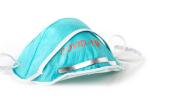
Doctor mask covid
Share on Twitter Share on Facebook Share on Linkedin

How later COVID-19 surges impacted heart attack and stroke numbers

Share on Twitter Share on Facebook Share on Linkedin
Doctor mask covid
This new analysis helps paint a better picture of how COVID-19 has affected patient care in the United States.
READ MORE >

Medtronic stops sales and distribution of HVAD system due to multiple issues, including 14 patient deaths

The device's internal pump was associated with a heightened risk of adverse outcomes, including stroke and death. 

READ MORE >
Share on Twitter Share on Facebook Share on Linkedin

Medtronic stops sales and distribution of HVAD system due to multiple issues, including 14 patient deaths

Share on Twitter Share on Facebook Share on Linkedin
The device's internal pump was associated with a heightened risk of adverse outcomes, including stroke and death. 
READ MORE >

LAAO during cardiac surgery helps AFib patients reduce stroke risk

AFib patients undergoing cardiac surgery may benefit from concomitant LAAO, according to a new study in the New England Journal of Medicine.

READ MORE >
New research presented at the 103rd Annual Meeting of the American Association for Thoracic Surgery examined the lack of diversity seen among this important specialty. 
Share on Twitter Share on Facebook Share on Linkedin

LAAO during cardiac surgery helps AFib patients reduce stroke risk

Share on Twitter Share on Facebook Share on Linkedin
New research presented at the 103rd Annual Meeting of the American Association for Thoracic Surgery examined the lack of diversity seen among this important specialty. 
AFib patients undergoing cardiac surgery may benefit from concomitant LAAO, according to a new study in the New England Journal of Medicine.
READ MORE >

American College of Cardiology collaborates with GE Healthcare on new path forward for AI, digital health

Virtual care, remote patient monitoring and AI-based research are three specific topics the groups are expected to discuss.

READ MORE >
As artificial intelligence (AI) adoption expands in radiology, there is growing concern that AI algorithms needs to undergo quality assurance (QA) reviews. How to validate radiology AI? How can you validate medical imaging AI?
Share on Twitter Share on Facebook Share on Linkedin

American College of Cardiology collaborates with GE Healthcare on new path forward for AI, digital health

Share on Twitter Share on Facebook Share on Linkedin
As artificial intelligence (AI) adoption expands in radiology, there is growing concern that AI algorithms needs to undergo quality assurance (QA) reviews. How to validate radiology AI? How can you validate medical imaging AI?
Virtual care, remote patient monitoring and AI-based research are three specific topics the groups are expected to discuss.
READ MORE >

In Other News

MLB ‘FEVER’ pitch: New MRI view changing the game for elbow injuries

Major league pitchers put a tremendous amount of stress on their arms and new imaging insights can give players a competitive advantage on their road to recovery.

READ MORE >
baseball-1677334_1920_copy.jpg
Share on Twitter Share on Facebook Share on Linkedin

MLB ‘FEVER’ pitch: New MRI view changing the game for elbow injuries

Share on Twitter Share on Facebook Share on Linkedin
baseball-1677334_1920_copy.jpg
Major league pitchers put a tremendous amount of stress on their arms and new imaging insights can give players a competitive advantage on their road to recovery.
READ MORE >

Innovate Healthcare thanks our partners for supporting our newsletters.
Sponsorship has no influence on editorial content.

Interested in reaching our audiences, contact our team

*|LIST:ADDRESSLINE|*

You received this email because you signed up for newsletters from Innovate Healthcare.
Change your preferences or unsubscribe here

Contact Us  |  Unsubscribe from all  |  Privacy Policy

© Innovate Healthcare, a TriMed Media brand
Innovate Healthcare

Recent Newsletters

News Alert: CMS proposes major TAVR changes
Cath lab kits recalled | Looking ahead to the future of FFR-CT | Medtronic completes major acquisition
FDA sees potential in heart failure software | SCCT & SCAI take on CT-derived FFR | Predicting long-term stroke risk
Abbott recalls heart monitoring tech | Redo TAVR with balloon-expandable valves | FDA clears new clot-removing device
Week in Review: Star Trek star's family awarded $13M | AI for cardiac amyloidosis | TAVR concerns | New CKM syndrome guidelines
A brand new payment model | Cardiologist compensation keeps rising | Major medtech player invests $1.5B in TAVR tech
Death after TAVR: New data support a change | Rural hospital in spotlight for wrong reason | Heart changes linked to cancer risk

Pagination

    • Current page 1
    • Page 2
    • Page 3
    • Page 4
    • Page 5
    • Page 6
    • Page 7
    • Page 8
    • Page 9 …
    • Next page ››
    • Last page Last »
  • Home
  • News
  • Article Archive
  • Custom Content
  • Webinars
  • Press Releases
  • Content Studio
  • Advertising
  • Submit Press Release
  • Contact Us
  • Terms of Use
  • Privacy Policy
  • Cardiovascular Business
  • HealthExec
  • Radiology Business
 
© 2026 Innovate Healthcare | All Rights Reserved. | Terms of Use | Privacy Policy
 
Design by Adaptive Theme