• Clinical
      |Clinical
    • Acute Coronary Syndromes
    • Cardiac Surgery
    • Covid-19
    • Heart Failure
    • Heart Health
    • Heart Rhythm
    • Hypertension
    • Interventional Cardiology
    • Mitral Valve
    • Pharmaceutics
    • Structural Heart Disease
    • TAVR
    • Tricuspid Valve
    • Vascular & Endovascular
  • Management
      |Management
    • Chest Pain Guidelines
    • Compensation
    • Economics
    • Education & Training
    • Legal News
    • Patient Care
    • Policy & Regulations
    • Professional Associations
    • Quality
    • Revenue
    • Staffing
  • Technology
      |Technology
    • AI
    • Cardiac Imaging
    • Cath Lab
    • CT
    • CVIS
    • ECG
    • Echo
    • EP Lab
    • Informatics
    • MRI
    • Nuclear Cardiology
    • Remote Monitoring
  • Videos
  • Conferences
      |Conferences
    • ACC
    • AHA
    • ASE
    • ASNC
    • ESC
    • EuroPCR
    • HFSA
    • HRS
    • HRS
    • SCAI
    • SCCT
    • SIIM
    • SNMMI
    • STS
    • TCT
    • VIVA
  • Custom Content
      |Custom Content
    • Experience Stories
    • Webinars & Videos
  • Subscribe
  • Forty Under 40 Award
      |Forty Under 40 Award
    • Class of 2026
    • Class of 2025

Search form

Home

News You Need to Know Today
Heart Health: USPSTF's new aspirin recommendations | Insulin recalled | BP reductions after renal denervation
Thursday, April 28, 2022
Link to Twitter Link to Facebook Link to Linkedin Link to Vimeo

Editor's Choice: Heart Health

USPSTF updates its stance on aspirin use to prevent CVD, sees no benefit for patients 60 or older

These recommendations, the group emphasized, do not include patients with a history of CVD or those who are already taking aspirin for another reason.

READ MORE >
USPSTF updates its stance on aspirin use to prevent CVD, sees no benefit for patients 60 or older.
Share on Twitter Share on Facebook Share on Linkedin

USPSTF updates its stance on aspirin use to prevent CVD, sees no benefit for patients 60 or older

Share on Twitter Share on Facebook Share on Linkedin
USPSTF updates its stance on aspirin use to prevent CVD, sees no benefit for patients 60 or older.
These recommendations, the group emphasized, do not include patients with a history of CVD or those who are already taking aspirin for another reason.
READ MORE >

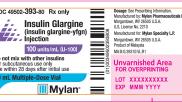
FDA announces new insulin recall due to potential labeling issue

The recall is focused on a single batch distributed from December 2021 to March 2022.

READ MORE >
insulin_glargine_1.jpg
Share on Twitter Share on Facebook Share on Linkedin

FDA announces new insulin recall due to potential labeling issue

Share on Twitter Share on Facebook Share on Linkedin
insulin_glargine_1.jpg
The recall is focused on a single batch distributed from December 2021 to March 2022.
READ MORE >

Renal denervation linked to significant blood pressure reductions after 3 years

An updated look at patients treated with Medtronic's renal denervation system was presented at ACC.22 and simultaneously published in The Lancet. 

READ MORE >
The Medtronic Symplicity Spyral Renal Denervation system uses a catheter that curls in the renal artery to place radiofrequency electrodes against the vessel wall to ablate the nerves that control vasodilation, so the artery can be propped in the fully open position.
Share on Twitter Share on Facebook Share on Linkedin

Renal denervation linked to significant blood pressure reductions after 3 years

Share on Twitter Share on Facebook Share on Linkedin
The Medtronic Symplicity Spyral Renal Denervation system uses a catheter that curls in the renal artery to place radiofrequency electrodes against the vessel wall to ablate the nerves that control vasodilation, so the artery can be propped in the fully open position.
An updated look at patients treated with Medtronic's renal denervation system was presented at ACC.22 and simultaneously published in The Lancet. 
READ MORE >

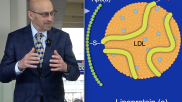
VIDEO: Use of mRNA drug to lower lipoprotein(a) by up to 98%

Steven E. Nissen, MD, chief academic officer of the Sydell and Arnold Miller Family Heart, Vascular and Thoracic Institute at the Cleveland Clinic, was the lead author on the Apollo Trial, a late-breaking ACC.22 study evaluating the effectiveness of an mRNA drug to suppress lipoprotein(a).

READ MORE >
Steven Nissen, MD, Cleveland Clinic, explains an ACC.22 late-breaking trials that uses an mRNA drug to greatly reduce lipoprotein A. #ACC22
Share on Twitter Share on Facebook Share on Linkedin

VIDEO: Use of mRNA drug to lower lipoprotein(a) by up to 98%

Share on Twitter Share on Facebook Share on Linkedin
Steven Nissen, MD, Cleveland Clinic, explains an ACC.22 late-breaking trials that uses an mRNA drug to greatly reduce lipoprotein A. #ACC22
Steven E. Nissen, MD, chief academic officer of the Sydell and Arnold Miller Family Heart, Vascular and Thoracic Institute at the Cleveland Clinic, was the lead author on the Apollo Trial, a late-breaking ACC.22 study evaluating the effectiveness of an mRNA drug to suppress lipoprotein(a).
READ MORE >

Biden-Trump presidential election linked to a higher heart attack risk among white, male and older individuals

“There is a need for awareness of this higher risk of CVD, and further research is warranted to identify strategies that mitigate cardiovascular risk during notable political events,” researchers explained. 

READ MORE >
election 2020
Share on Twitter Share on Facebook Share on Linkedin

Biden-Trump presidential election linked to a higher heart attack risk among white, male and older individuals

Share on Twitter Share on Facebook Share on Linkedin
election 2020
“There is a need for awareness of this higher risk of CVD, and further research is warranted to identify strategies that mitigate cardiovascular risk during notable political events,” researchers explained. 
READ MORE >

Eating avocados lowers CVD risk

The new analysis, published in the Journal of the American Heart Association, included patient data from the last three decades. 

READ MORE >
Regularly eating avocados is associated with a reduced risk of cardiovascular disease, according to a new study.
Share on Twitter Share on Facebook Share on Linkedin

Eating avocados lowers CVD risk

Share on Twitter Share on Facebook Share on Linkedin
Regularly eating avocados is associated with a reduced risk of cardiovascular disease, according to a new study.
The new analysis, published in the Journal of the American Heart Association, included patient data from the last three decades. 
READ MORE >

Asthma, other allergies linked to a higher risk of high blood pressure, coronary heart disease

The research was presented in South Korea at a two-day event hosted by the American College of Cardiology and Korean Society of Cardiology.

READ MORE >
asthma adult.png
Share on Twitter Share on Facebook Share on Linkedin

Asthma, other allergies linked to a higher risk of high blood pressure, coronary heart disease

Share on Twitter Share on Facebook Share on Linkedin
asthma adult.png
The research was presented in South Korea at a two-day event hosted by the American College of Cardiology and Korean Society of Cardiology.
READ MORE >

Mental illness strongly linked with higher CVD mortality

The associations between schizophrenia or bipolar disorder and cardiovascular mortality have grown in recent decades.

READ MORE >
sad crying man
Share on Twitter Share on Facebook Share on Linkedin

Mental illness strongly linked with higher CVD mortality

Share on Twitter Share on Facebook Share on Linkedin
sad crying man
The associations between schizophrenia or bipolar disorder and cardiovascular mortality have grown in recent decades.
READ MORE >

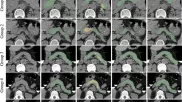
AI model able to ID early signs of type 2 diabetes on imaging results

The authors hope their findings could lead to earlier diagnoses and improvements in patient care. 

READ MORE >
CT pancreas diabetes.jpg
Share on Twitter Share on Facebook Share on Linkedin

AI model able to ID early signs of type 2 diabetes on imaging results

Share on Twitter Share on Facebook Share on Linkedin
CT pancreas diabetes.jpg
The authors hope their findings could lead to earlier diagnoses and improvements in patient care. 
READ MORE >

Innovate Healthcare thanks our partners for supporting our newsletters.
Sponsorship has no influence on editorial content.

Interested in reaching our audiences, contact our team

*|LIST:ADDRESSLINE|*

You received this email because you signed up for newsletters from Innovate Healthcare.
Change your preferences or unsubscribe here

Contact Us  |  Unsubscribe from all  |  Privacy Policy

© Innovate Healthcare, a TriMed Media brand
Innovate Healthcare

Recent Newsletters

AI is gaining ground, but clinicians run the show | Siemens Healthineers doubles down | Electrophysiologist compensation
News Alert: FDA shares warning about heart valve tech after patient death
Cardiologist pay & productivity are up | FDA clears PE thrombectomy devices | Cardiology tech in spotlight | Gore's new approval
Cardiology salaries on the rise | The climbing costs of care | M&A trends | Siemens Healthineers, J&J make big business moves
Major MRI trends | Blood thinner recalled | When to perform PCI before TAVR | How to build a CCTA program | Steroids & the heart
CMS boosts coverage for heart failure tech | FDA approves CardioMEMS updates | LVADs linked to strokes, other risks
M&A activity in cardiology: Exploring key trends | Cardiac PET vs. SPECT | Doctors support Medicare covering TAVR for AR
Newsletter archive
  • Home
  • News
  • Article Archive
  • Custom Content
  • Webinars
  • Press Releases
  • Content Studio
  • Advertising
  • Submit Press Release
  • Contact Us
  • Terms of Use
  • Privacy Policy
  • Cardiovascular Business
  • HealthExec
  • Radiology Business
  • Press Releases
  • Submit Press Release
© 2026 Innovate Healthcare | All Rights Reserved. | Terms of Use | Privacy Policy
Design by Adaptive Theme