• Clinical
      |Clinical
    • Acute Coronary Syndromes
    • Cardiac Surgery
    • Covid-19
    • Heart Failure
    • Heart Health
    • Heart Rhythm
    • Hypertension
    • Interventional Cardiology
    • Mitral Valve
    • Pharmaceutics
    • Structural Heart Disease
    • TAVR
    • Tricuspid Valve
    • Vascular & Endovascular
  • Management
      |Management
    • Chest Pain Guidelines
    • Compensation
    • Economics
    • Education & Training
    • Legal News
    • Patient Care
    • Policy & Regulations
    • Professional Associations
    • Quality
    • Revenue
    • Staffing
  • Technology
      |Technology
    • AI
    • Cardiac Imaging
    • Cath Lab
    • CT
    • CVIS
    • ECG
    • Echo
    • EP Lab
    • Informatics
    • MRI
    • Nuclear Cardiology
    • Remote Monitoring
  • Videos
  • Conferences
      |Conferences
    • ACC
    • AHA
    • ASE
    • ASNC
    • ESC
    • EuroPCR
    • HFSA
    • HRS
    • HRS
    • SCAI
    • SCCT
    • SIIM
    • SNMMI
    • STS
    • TCT
    • VIVA
  • Custom Content
      |Custom Content
    • Experience Stories
    • Webinars & Videos
  • Subscribe
  • Forty Under 40 Award
      |Forty Under 40 Award
    • Class of 2026
    • Class of 2025

Search form

Home

News You Need to Know Today
Most Americans have suboptimal heart health | Cancer survivors face a 42% higher risk of CVD | AFib after surgery
Thursday, June 30, 2022
Link to Twitter Link to Facebook Link to Linkedin Link to Vimeo

Today's News and Trends

Most Americans, especially men, have suboptimal heart health

The American Heart Association has published a new analysis focused on diet, sleep, BMI, blood pressure and other crucial factors among adults and children in the United States. 

READ MORE >
Share on Twitter Share on Facebook Share on Linkedin

Most Americans, especially men, have suboptimal heart health

Share on Twitter Share on Facebook Share on Linkedin
The American Heart Association has published a new analysis focused on diet, sleep, BMI, blood pressure and other crucial factors among adults and children in the United States. 
READ MORE >

Cancer survivors face a 42% higher risk of CVD

More aggressive CVD prevention tactics may make sense for people who have had certain types of cancer.

READ MORE >
Doctor patient with masks
Share on Twitter Share on Facebook Share on Linkedin

Cancer survivors face a 42% higher risk of CVD

Share on Twitter Share on Facebook Share on Linkedin
Doctor patient with masks
More aggressive CVD prevention tactics may make sense for people who have had certain types of cancer.
READ MORE >

AFib after surgery could be a warning sign of heart failure

Researchers studied data from more than three million patients, including approximately 76,000 who underwent heart surgery.

READ MORE >
surgery.jpg
Share on Twitter Share on Facebook Share on Linkedin

AFib after surgery could be a warning sign of heart failure

Share on Twitter Share on Facebook Share on Linkedin
surgery.jpg
Researchers studied data from more than three million patients, including approximately 76,000 who underwent heart surgery.
READ MORE >

Featured Articles

5 ways to improve care for heart failure patients with limited English proficiency

Researchers interviewed professional medical interpreters, sharing some of the lessons they learned in JACC: Heart Failure.

READ MORE >
doctor patient spanish hispanic young man.png
Share on Twitter Share on Facebook Share on Linkedin

5 ways to improve care for heart failure patients with limited English proficiency

Share on Twitter Share on Facebook Share on Linkedin
doctor patient spanish hispanic young man.png
Researchers interviewed professional medical interpreters, sharing some of the lessons they learned in JACC: Heart Failure.
READ MORE >

VIDEO: Advances in left atrial appendage occlusion technology

Devi Nair, MD, director of cardiac electrophysiology at St. Bernard's Healthcare, Jonesboro, Arkansas, explains some of the recent advances in transcatheter left atrial appendage (LAA) occlusion technology at the 2022 Transcatheter Valve Therapeutics (TVT) Structural Heart Summit.

READ MORE >
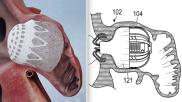
Two examples of new left atrial appendage occluders (LAAO), the Conformal omn left and the Laminar on the right. evi Nair, MD, FACC, FHRS, director of cardiac electrophysiology at St. Bernard's Healthcare, Jonesboro, Arkansas, explains some of the recent advances in transcatheter left atrial appendage (LAA) occlusion technology at the 2022 Transcatheter Valve Therapeutics (TVT) Structural Heart Summit. #TVT #TVT2020 #LAA #LAAO #EPeeps
Share on Twitter Share on Facebook Share on Linkedin

VIDEO: Advances in left atrial appendage occlusion technology

Share on Twitter Share on Facebook Share on Linkedin
Two examples of new left atrial appendage occluders (LAAO), the Conformal omn left and the Laminar on the right. evi Nair, MD, FACC, FHRS, director of cardiac electrophysiology at St. Bernard's Healthcare, Jonesboro, Arkansas, explains some of the recent advances in transcatheter left atrial appendage (LAA) occlusion technology at the 2022 Transcatheter Valve Therapeutics (TVT) Structural Heart Summit. #TVT #TVT2020 #LAA #LAAO #EPeeps
Devi Nair, MD, director of cardiac electrophysiology at St. Bernard's Healthcare, Jonesboro, Arkansas, explains some of the recent advances in transcatheter left atrial appendage (LAA) occlusion technology at the 2022 Transcatheter Valve Therapeutics (TVT) Structural Heart Summit.
READ MORE >

Tracking TAVR’s impact on gastrointestinal bleeding symptoms

TAVR patients with gastrointestinal bleeding (GIB) were linked to longer lengths of stay and a higher risk of acute kidney injury than patients without GIB.

READ MORE >
Driven by its strategic goal to advance equity in the U.S. healthcare innovation sector, the American Medical Association (AMA) recently announced an initiative that supports leading industry stakeholders in committing to equitable health innovation opportunities targeted to improving health outcomes in historically marginalized communities. #Healthdisparities 
Share on Twitter Share on Facebook Share on Linkedin

Tracking TAVR’s impact on gastrointestinal bleeding symptoms

Share on Twitter Share on Facebook Share on Linkedin
Driven by its strategic goal to advance equity in the U.S. healthcare innovation sector, the American Medical Association (AMA) recently announced an initiative that supports leading industry stakeholders in committing to equitable health innovation opportunities targeted to improving health outcomes in historically marginalized communities. #Healthdisparities 
TAVR patients with gastrointestinal bleeding (GIB) were linked to longer lengths of stay and a higher risk of acute kidney injury than patients without GIB.
READ MORE >

Why does heart disease look different in women? This gene may provide the key

Sex-linked variations in the RAP1GAP2 gene could help explain poor outcomes for women with heart disease. 

READ MORE >
Sex-linked variation in RAP1GAP2 could help explain poor outcomes for women with heart disease.
Share on Twitter Share on Facebook Share on Linkedin

Why does heart disease look different in women? This gene may provide the key

Share on Twitter Share on Facebook Share on Linkedin
Sex-linked variation in RAP1GAP2 could help explain poor outcomes for women with heart disease.
Sex-linked variations in the RAP1GAP2 gene could help explain poor outcomes for women with heart disease. 
READ MORE >

In Other News

Monkeypox update: Biden administration plans to have 1.6M vaccines available by year's end

The Department of Health and Human Services (HHS) announced its strategy to vaccinate and protect those most at risk from monkeypox, a rare disease in the same family as smallpox.

READ MORE >
Covid vaccine
Share on Twitter Share on Facebook Share on Linkedin

Monkeypox update: Biden administration plans to have 1.6M vaccines available by year's end

Share on Twitter Share on Facebook Share on Linkedin
Covid vaccine
The Department of Health and Human Services (HHS) announced its strategy to vaccinate and protect those most at risk from monkeypox, a rare disease in the same family as smallpox.
READ MORE >

Innovate Healthcare thanks our partners for supporting our newsletters.
Sponsorship has no influence on editorial content.

Interested in reaching our audiences, contact our team

*|LIST:ADDRESSLINE|*

You received this email because you signed up for newsletters from Innovate Healthcare.
Change your preferences or unsubscribe here

Contact Us  |  Unsubscribe from all  |  Privacy Policy

© Innovate Healthcare, a TriMed Media brand
Innovate Healthcare

Recent Newsletters

AI is gaining ground, but clinicians run the show | Siemens Healthineers doubles down | Electrophysiologist compensation
News Alert: FDA shares warning about heart valve tech after patient death
Cardiologist pay & productivity are up | FDA clears PE thrombectomy devices | Cardiology tech in spotlight | Gore's new approval
Cardiology salaries on the rise | The climbing costs of care | M&A trends | Siemens Healthineers, J&J make big business moves
Major MRI trends | Blood thinner recalled | When to perform PCI before TAVR | How to build a CCTA program | Steroids & the heart
CMS boosts coverage for heart failure tech | FDA approves CardioMEMS updates | LVADs linked to strokes, other risks
M&A activity in cardiology: Exploring key trends | Cardiac PET vs. SPECT | Doctors support Medicare covering TAVR for AR
Newsletter archive
  • Home
  • News
  • Article Archive
  • Custom Content
  • Webinars
  • Press Releases
  • Content Studio
  • Advertising
  • Submit Press Release
  • Contact Us
  • Terms of Use
  • Privacy Policy
  • Cardiovascular Business
  • HealthExec
  • Radiology Business
  • Press Releases
  • Submit Press Release
© 2026 Innovate Healthcare | All Rights Reserved. | Terms of Use | Privacy Policy
Design by Adaptive Theme