• Clinical
      |Clinical
    • Acute Coronary Syndromes
    • Cardiac Surgery
    • Covid-19
    • Heart Failure
    • Heart Health
    • Heart Rhythm
    • Hypertension
    • Interventional Cardiology
    • Mitral Valve
    • Pharmaceutics
    • Structural Heart Disease
    • TAVR
    • Tricuspid Valve
    • Vascular & Endovascular
  • Management
      |Management
    • Chest Pain Guidelines
    • Compensation
    • Economics
    • Education & Training
    • Legal News
    • Patient Care
    • Policy & Regulations
    • Professional Associations
    • Quality
    • Revenue
    • Staffing
  • Technology
      |Technology
    • AI
    • Cardiac Imaging
    • Cath Lab
    • CT
    • CVIS
    • ECG
    • Echo
    • EP Lab
    • Informatics
    • MRI
    • Nuclear Cardiology
    • Remote Monitoring
  • Videos
  • Conferences
      |Conferences
    • ACC
    • AHA
    • ASE
    • ASNC
    • ESC
    • EuroPCR
    • HFSA
    • HRS
    • HRS
    • SCAI
    • SCCT
    • SIIM
    • SNMMI
    • STS
    • TCT
    • VIVA
  • Custom Content
      |Custom Content
    • Experience Stories
    • Webinars & Videos
  • Subscribe
  • Forty Under 40 Award
      |Forty Under 40 Award
    • Class of 2026
    • Class of 2025

Search form

Home

News You Need to Know Today
Heart Rhythm Highlights: Uric acid & new-onset AFib | Early mortality after transvenous lead removal
Tuesday, January 24, 2023
Link to Twitter Link to Facebook Link to Linkedin Link to Vimeo

Editor's Choice: Heart Rhythm

Elevated uric acid levels linked to new-onset AFib

According to new data published in the Journal of the American Heart Association, atrial fibrillation can be added to the list of cardiovascular conditions associated with above-average uric acid levels. 

READ MORE >
Share on Twitter Share on Facebook Share on Linkedin

Elevated uric acid levels linked to new-onset AFib

Share on Twitter Share on Facebook Share on Linkedin
According to new data published in the Journal of the American Heart Association, atrial fibrillation can be added to the list of cardiovascular conditions associated with above-average uric acid levels. 
READ MORE >

Stroke patients with AFib face a higher mortality risk after thrombectomy

A comparative meta-analysis found similar procedural outcomes, but higher 90-day mortality—partially attributable to a higher rate of comorbidities.

READ MORE >
stroke
Share on Twitter Share on Facebook Share on Linkedin

Stroke patients with AFib face a higher mortality risk after thrombectomy

Share on Twitter Share on Facebook Share on Linkedin
stroke
A comparative meta-analysis found similar procedural outcomes, but higher 90-day mortality—partially attributable to a higher rate of comorbidities.
READ MORE >

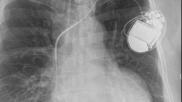
Infection, heart failure the most common reasons for early mortality after transvenous lead removal

Early mortality specifically related to complications during the TLR procedure was quite rare. 

READ MORE >
An example if an implantable cardioverter defibrillator (ICD and its leads connected to the heart. As the leads or deveice wears out, there are recommendations to remove the leads and put in new ones. The most common causes of mortality during transvenous lead removal (TLR) in patients with cardiac implantable electronic devices (CIEDs) are infection and decompensated heart failure, according to new research published in JACC: Clinical Electrophysiology.Image courtesy of RSNA
Share on Twitter Share on Facebook Share on Linkedin

Infection, heart failure the most common reasons for early mortality after transvenous lead removal

Share on Twitter Share on Facebook Share on Linkedin
An example if an implantable cardioverter defibrillator (ICD and its leads connected to the heart. As the leads or deveice wears out, there are recommendations to remove the leads and put in new ones. The most common causes of mortality during transvenous lead removal (TLR) in patients with cardiac implantable electronic devices (CIEDs) are infection and decompensated heart failure, according to new research published in JACC: Clinical Electrophysiology.Image courtesy of RSNA
Early mortality specifically related to complications during the TLR procedure was quite rare. 
READ MORE >

VIDEO: Using genetics in cardiology to enable earlier interventions

Christine Seidman, MD, director of the cardiovascular genetics program at Brigham & Women’s Hospital, spoke to us about using genetics to crack the code of cardiovascular disease. 

READ MORE >
Christine Seidman, MD, director of the cardiovascular genetics program, cardiovascular medicine specialist, Brigham & Women’s Hospital, discusses the use of genetics to crack the code of cardiovascular diseases to enable earlier prevention and interventions. She was named the winner of the American Heart Association (AHA) 2022 Research Achievement Award, AHA's highest honor.
Share on Twitter Share on Facebook Share on Linkedin

VIDEO: Using genetics in cardiology to enable earlier interventions

Share on Twitter Share on Facebook Share on Linkedin
Christine Seidman, MD, director of the cardiovascular genetics program, cardiovascular medicine specialist, Brigham & Women’s Hospital, discusses the use of genetics to crack the code of cardiovascular diseases to enable earlier prevention and interventions. She was named the winner of the American Heart Association (AHA) 2022 Research Achievement Award, AHA's highest honor.
Christine Seidman, MD, director of the cardiovascular genetics program at Brigham & Women’s Hospital, spoke to us about using genetics to crack the code of cardiovascular disease. 
READ MORE >

COVID-19 infection and vaccination linked to debilitating heart condition—risk from vaccines ‘relatively slim’

Postural orthostatic tachycardia syndrome is a significant, but treatable condition. The risk among COVID-19 patients was considerably higher than the risk after vaccination, researchers explained. 

READ MORE >
patient_exam_cardiology_covid_dr_cowan_beaumont.jpeg
Share on Twitter Share on Facebook Share on Linkedin

COVID-19 infection and vaccination linked to debilitating heart condition—risk from vaccines ‘relatively slim’

Share on Twitter Share on Facebook Share on Linkedin
patient_exam_cardiology_covid_dr_cowan_beaumont.jpeg
Postural orthostatic tachycardia syndrome is a significant, but treatable condition. The risk among COVID-19 patients was considerably higher than the risk after vaccination, researchers explained. 
READ MORE >

In Case You Missed It

Medtronic reaches milestone in study of pulsed-field ablation and mapping catheter for AFib

A randomized study of more than 450 patients with persistent atrial fibrillation is now underway. All patients have been treated, and their outcomes will be tracked for 12 months. 

READ MORE >
Sphere-9 mapping and ablation catheter
Share on Twitter Share on Facebook Share on Linkedin

Medtronic reaches milestone in study of pulsed-field ablation and mapping catheter for AFib

Share on Twitter Share on Facebook Share on Linkedin
Sphere-9 mapping and ablation catheter
A randomized study of more than 450 patients with persistent atrial fibrillation is now underway. All patients have been treated, and their outcomes will be tracked for 12 months. 
READ MORE >

Innovate Healthcare thanks our partners for supporting our newsletters.
Sponsorship has no influence on editorial content.

Interested in reaching our audiences, contact our team

*|LIST:ADDRESSLINE|*

You received this email because you signed up for newsletters from Innovate Healthcare.
Change your preferences or unsubscribe here

Contact Us  |  Unsubscribe from all  |  Privacy Policy

© Innovate Healthcare, a TriMed Media brand
Innovate Healthcare

Recent Newsletters

AI is gaining ground, but clinicians run the show | Siemens Healthineers doubles down | Electrophysiologist compensation
News Alert: FDA shares warning about heart valve tech after patient death
Cardiologist pay & productivity are up | FDA clears PE thrombectomy devices | Cardiology tech in spotlight | Gore's new approval
Cardiology salaries on the rise | The climbing costs of care | M&A trends | Siemens Healthineers, J&J make big business moves
Major MRI trends | Blood thinner recalled | When to perform PCI before TAVR | How to build a CCTA program | Steroids & the heart
CMS boosts coverage for heart failure tech | FDA approves CardioMEMS updates | LVADs linked to strokes, other risks
M&A activity in cardiology: Exploring key trends | Cardiac PET vs. SPECT | Doctors support Medicare covering TAVR for AR
Newsletter archive
  • Home
  • News
  • Article Archive
  • Custom Content
  • Webinars
  • Press Releases
  • Content Studio
  • Advertising
  • Submit Press Release
  • Contact Us
  • Terms of Use
  • Privacy Policy
  • Cardiovascular Business
  • HealthExec
  • Radiology Business
  • Press Releases
  • Submit Press Release
© 2026 Innovate Healthcare | All Rights Reserved. | Terms of Use | Privacy Policy
Design by Adaptive Theme