• Clinical
      |Clinical
    • Acute Coronary Syndromes
    • Cardiac Surgery
    • Covid-19
    • Heart Failure
    • Heart Health
    • Heart Rhythm
    • Hypertension
    • Interventional Cardiology
    • Mitral Valve
    • Pharmaceutics
    • Structural Heart Disease
    • TAVR
    • Tricuspid Valve
    • Vascular & Endovascular
  • Management
      |Management
    • Chest Pain Guidelines
    • Compensation
    • Economics
    • Education & Training
    • Legal News
    • Patient Care
    • Policy & Regulations
    • Professional Associations
    • Quality
    • Revenue
    • Staffing
  • Technology
      |Technology
    • AI
    • Cardiac Imaging
    • Cath Lab
    • CT
    • CVIS
    • ECG
    • Echo
    • EP Lab
    • Informatics
    • MRI
    • Nuclear Cardiology
    • Remote Monitoring
  • Videos
  • Conferences
      |Conferences
    • ACC
    • AHA
    • ASE
    • ASNC
    • ESC
    • EuroPCR
    • HFSA
    • HRS
    • SCAI
    • SCCT
    • SIIM
    • SNMMI
    • STS
    • TCT
    • VIVA
  • Custom Content
      |Custom Content
    • Experience Stories
    • Webinars & Videos
  • Subscribe
  • Forty Under 40 Award
      |Forty Under 40 Award
    • Class of 2026
    • Class of 2025

Search form

Home

News You Need to Know Today
Heart Rhythm Highlights: How more AFib screening is a mixed blessing | Key approvals for Medtronic & Abbott
Friday, February 24, 2023
Link to Twitter Link to Facebook Link to Linkedin Link to Vimeo

Editor's Choice: Heart Rhythm

Increased AFib screening improves bradyarrhythmia detection—but is it a mixed blessing?

When long-term continuous monitoring detects bradyarrhythmia in an asymptomatic patient, is it still providing value? 

READ MORE >
The increased use of implantable loop recorders (ILRs) is associated with identifying more bradyarrhythmias such as bradycardia, according to new findings published in JAMA Cardiology.
Share on Twitter Share on Facebook Share on Linkedin

Increased AFib screening improves bradyarrhythmia detection—but is it a mixed blessing?

Share on Twitter Share on Facebook Share on Linkedin
The increased use of implantable loop recorders (ILRs) is associated with identifying more bradyarrhythmias such as bradycardia, according to new findings published in JAMA Cardiology.
When long-term continuous monitoring detects bradyarrhythmia in an asymptomatic patient, is it still providing value? 
READ MORE >

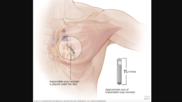
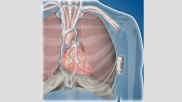
Medtronic’s new extravascular ICD gains key approval

Unlike other ICDs, the lead for this new-look device is placed under the patient's breastbone, outside of their heart and veins. 

READ MORE >
Medtronic shared some good news with attendees at ESC Congress 2022 in Barcelona, the annual meeting of the European Society of Cardiology, noting that its Extravascular Implantable Cardioverter Defibrillator (EV ICD) system met its safety endpoints in a global clinical trial. Medtronic EV ICD clinical trial safety endpoints ESC Congress 2022 #ESC #ESC2022 #ESC22
Share on Twitter Share on Facebook Share on Linkedin

Medtronic’s new extravascular ICD gains key approval

Share on Twitter Share on Facebook Share on Linkedin
Medtronic shared some good news with attendees at ESC Congress 2022 in Barcelona, the annual meeting of the European Society of Cardiology, noting that its Extravascular Implantable Cardioverter Defibrillator (EV ICD) system met its safety endpoints in a global clinical trial. Medtronic EV ICD clinical trial safety endpoints ESC Congress 2022 #ESC #ESC2022 #ESC22
Unlike other ICDs, the lead for this new-look device is placed under the patient's breastbone, outside of their heart and veins. 
READ MORE >

VIDEO: The link between COVID-19 and atrial fibrillation

Peter Libby, MD, a cardiovascular medicine specialist with Brigham and Women’s Hospital, discussed the cases of AFib being seen in long-COVID patients.

READ MORE >
Atrial Fibrillation and its location in the atrium detected using the Vektor arrhythmia detection software. COVID infection can cause the development of AFib, AF, in patients as a long-COVID symptom.
Share on Twitter Share on Facebook Share on Linkedin

VIDEO: The link between COVID-19 and atrial fibrillation

Share on Twitter Share on Facebook Share on Linkedin
Atrial Fibrillation and its location in the atrium detected using the Vektor arrhythmia detection software. COVID infection can cause the development of AFib, AF, in patients as a long-COVID symptom.
Peter Libby, MD, a cardiovascular medicine specialist with Brigham and Women’s Hospital, discussed the cases of AFib being seen in long-COVID patients.
READ MORE >

Abbott gains new FDA approval for one catheter, CE mark approval for a second catheter

Both devices were approved for treating significant heart rhythm issues. 

READ MORE >
Abbott FlexAbility Sensor Enabled Ablation Catheter FDA
Share on Twitter Share on Facebook Share on Linkedin

Abbott gains new FDA approval for one catheter, CE mark approval for a second catheter

Share on Twitter Share on Facebook Share on Linkedin
Abbott FlexAbility Sensor Enabled Ablation Catheter FDA
Both devices were approved for treating significant heart rhythm issues. 
READ MORE >

Researchers design new material for wearable devices: ‘You cannot feel it, and you will likely forget about it’

The soft, stretchable material creates so little pressure that users will likely not even even be able to feel it. 

READ MORE >
Image courtesy of the University of Missouri Zheng Yan, PhD. He led a team of engineers at the University of Missouri (UM) to develop a new soft, stretchable material that could potentially be used in wearable devices that gather key cardiovascular data. The group shared its findings in Science Advances, noting that the material creates such a small amount of pressure that users will not even notice they have it on.
Share on Twitter Share on Facebook Share on Linkedin

Researchers design new material for wearable devices: ‘You cannot feel it, and you will likely forget about it’

Share on Twitter Share on Facebook Share on Linkedin
Image courtesy of the University of Missouri Zheng Yan, PhD. He led a team of engineers at the University of Missouri (UM) to develop a new soft, stretchable material that could potentially be used in wearable devices that gather key cardiovascular data. The group shared its findings in Science Advances, noting that the material creates such a small amount of pressure that users will not even notice they have it on.
The soft, stretchable material creates so little pressure that users will likely not even even be able to feel it. 
READ MORE >

Heart palpitations, chest pain among the long-lasting side effects of COVID-19, new research confirms

“Before we examined the data, I thought we would find an ample amount of the symptoms to be specifically associated with long COVID, but that wasn’t the case," one researcher said. 

READ MORE >
New findings out of the University of Missouri suggests that the long-lasting impact of COVID-19 may not be quite as substantial as some researchers originally believed. The study’s authors evaluated nearly 50 different symptoms to see if they were more common up to one year after a person has been infected with COVID-19. They found, however, that this was true of just seven symptoms: heart palpitations, chest pain, shortness of breath, joint pain, hair loss, fatigue and obesity. #COVID19 #longCOVID
Share on Twitter Share on Facebook Share on Linkedin

Heart palpitations, chest pain among the long-lasting side effects of COVID-19, new research confirms

Share on Twitter Share on Facebook Share on Linkedin
New findings out of the University of Missouri suggests that the long-lasting impact of COVID-19 may not be quite as substantial as some researchers originally believed. The study’s authors evaluated nearly 50 different symptoms to see if they were more common up to one year after a person has been infected with COVID-19. They found, however, that this was true of just seven symptoms: heart palpitations, chest pain, shortness of breath, joint pain, hair loss, fatigue and obesity. #COVID19 #longCOVID
“Before we examined the data, I thought we would find an ample amount of the symptoms to be specifically associated with long COVID, but that wasn’t the case," one researcher said. 
READ MORE >

AI model predicts risk of post-operative AFib

Post-operative atrial fibrillation was once viewed as a fairly insignificant issue, but more recent research suggests it can increase a patient’s risk of multiple adverse events. 

READ MORE >
Tiny fragments of plastic are commonly found deep inside the human body. Heart surgery, it seems, is one of many ways these microplastics are reaching their destination.  Surgeons Operating On Patient
Share on Twitter Share on Facebook Share on Linkedin

AI model predicts risk of post-operative AFib

Share on Twitter Share on Facebook Share on Linkedin
Tiny fragments of plastic are commonly found deep inside the human body. Heart surgery, it seems, is one of many ways these microplastics are reaching their destination.  Surgeons Operating On Patient
Post-operative atrial fibrillation was once viewed as a fairly insignificant issue, but more recent research suggests it can increase a patient’s risk of multiple adverse events. 
READ MORE >

Innovate Healthcare thanks our partners for supporting our newsletters.
Sponsorship has no influence on editorial content.

Interested in reaching our audiences, contact our team

*|LIST:ADDRESSLINE|*

You received this email because you signed up for newsletters from Innovate Healthcare.
Change your preferences or unsubscribe here

Contact Us  |  Unsubscribe from all  |  Privacy Policy

© Innovate Healthcare, a TriMed Media brand
Innovate Healthcare

Recent Newsletters

Economics & Policy | April 2020
Pandemic watch: The biggest COVID-19 news in cardiology, all in one place
Week in Review: High doses of chloroquine ‘might be toxic’ for coronavirus patients | The pandemic's impact on cardiology
Electrophysiology & Arrhythmia | April 2020
Pandemic watch: The biggest COVID-19 news in cardiology, all in one place
Week in Review: Using hydroxychloroquine, azithromycin to treat COVID-19 | Are patients afraid to seek medical attention?
The many challenges hospitals face during COVID-19 pandemic | Are patients afraid to seek medical attention?

Pagination

    • First page « First
    • Previous page ‹‹
    • Page …346
    • Page 347
    • Page 348
    • Page 349
    • Current page 350
    • Page 351
    • Page 352
    • Page 353
    • Page 354 …
    • Next page ››
    • Last page Last »
  • Home
  • News
  • Article Archive
  • Custom Content
  • Webinars
  • Press Releases
  • Content Studio
  • Advertising
  • Submit Press Release
  • Contact Us
  • Terms of Use
  • Privacy Policy
  • Cardiovascular Business
  • HealthExec
  • Radiology Business
 
© 2026 Innovate Healthcare | All Rights Reserved. | Terms of Use | Privacy Policy
 
Design by Adaptive Theme