• Clinical
      |Clinical
    • Acute Coronary Syndromes
    • Cardiac Surgery
    • Covid-19
    • Heart Failure
    • Heart Health
    • Heart Rhythm
    • Hypertension
    • Interventional Cardiology
    • Mitral Valve
    • Pharmaceutics
    • Structural Heart Disease
    • TAVR
    • Tricuspid Valve
    • Vascular & Endovascular
  • Management
      |Management
    • Chest Pain Guidelines
    • Compensation
    • Economics
    • Education & Training
    • Legal News
    • Patient Care
    • Policy & Regulations
    • Professional Associations
    • Quality
    • Revenue
    • Staffing
  • Technology
      |Technology
    • AI
    • Cardiac Imaging
    • Cath Lab
    • CT
    • CVIS
    • ECG
    • Echo
    • EP Lab
    • Informatics
    • MRI
    • Nuclear Cardiology
    • Remote Monitoring
  • Videos
  • Conferences
      |Conferences
    • ACC
    • AHA
    • ASE
    • ASNC
    • ESC
    • EuroPCR
    • HFSA
    • HRS
    • HRS
    • SCAI
    • SCCT
    • SIIM
    • SNMMI
    • STS
    • TCT
    • VIVA
  • Custom Content
      |Custom Content
    • Experience Stories
    • Webinars & Videos
  • Subscribe
  • Forty Under 40 Award
      |Forty Under 40 Award
    • Class of 2026
    • Class of 2025

Search form

Home

Death after 1 year more common for real-world low-risk TAVR patients than those treated in clinical trials

cardiologist viewing heart data

Real-world patients were still associated with "excellent" outcomes, but it is important for cardiologists and patients alike to know as much as possible about the odds of survival following treatment. 

  • Read more about Death after 1 year more common for real-world low-risk TAVR patients than those treated in clinical trials

FDA clears catheter-based 4D visualization platform for complex heart procedures

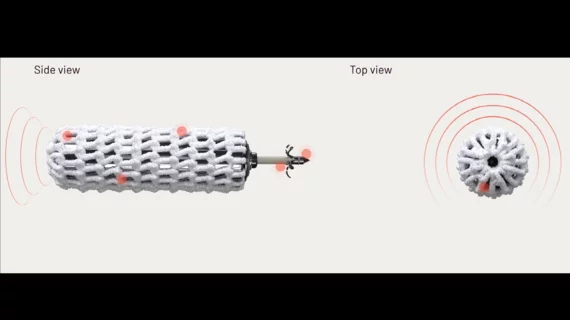
Luma Vision Verafeye Visualization Platform. The Verafeye Visualization Platform allows operators to deliver 2D and 4D ultrasound images in real time. The catheter was built with maneuverability and increased visibility in mind; it can capture images of up to 120 mm from the tip and provide views of the patient’s anatomy from all angles.

Image courtesy of LUMA Vision.

The new technology from LUMA Vision allows operators to deliver 2D and 4D ultrasound images in real time. The advanced catheter was built with maneuverability and increased visibility in mind.

  • Read more about FDA clears catheter-based 4D visualization platform for complex heart procedures

No longer the ‘forgotten valve’: Tricuspid valve surgery outcomes keep improving

Tiny fragments of plastic are commonly found deep inside the human body. Heart surgery, it seems, is one of many ways these microplastics are reaching their destination.  Surgeons Operating On Patient

Patient outcomes after tricuspid valve replacement have improved significantly over the years, according to new data published in The Annals of Thoracic Surgery.

  • Read more about No longer the ‘forgotten valve’: Tricuspid valve surgery outcomes keep improving

FDA approves leadless CRT device for heart failure

The tiny WiSE CRT system from EBR Systems enables leadless pacing. The WiSE CRT system is approximately the size of a single cooked grain of rice. It works with a patient’s existing implant to provide biventricular pacing.

Image courtesy of EBR Systems.

The WiSE CRT system is approximately the size of a single cooked grain of rice. It works with a patient’s existing implant to provide biventricular pacing. 

  • Read more about FDA approves leadless CRT device for heart failure

Implantable IVC sensor shows early potential to guide heart failure management

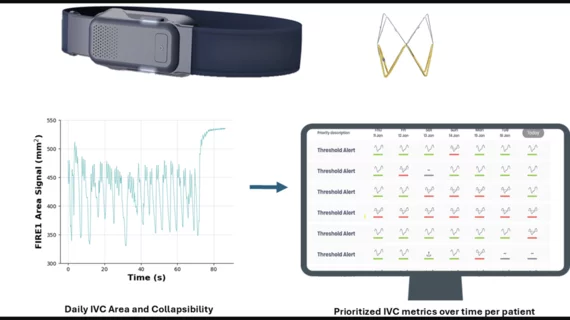
The FIRE1 Norm inferior vena cava (IVC) heart failure sensor. It is implant in the inferior vena cava (IVC) to track changes in intravascular fluid volume is both safe and feasible, according to new findings published in JACC: Heart Failure.

Images courtesy of Kalra et al. and JACC: Heart Failure.

The goal is to measure changes in a patient’s IVC area and collapsibility, which can help anticipate when heart failure events might occur. This first-in-human study included data from the first 50 patients to receive the device. 

  • Read more about Implantable IVC sensor shows early potential to guide heart failure management

New drug reverses antiplatelet effects of ticagrelor, helping surgeons avoid a 'bloody mess'

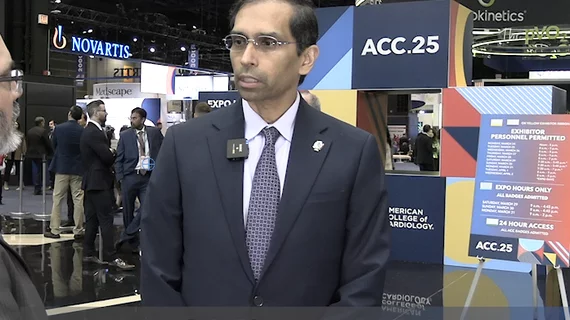
Video of Deepak Bhatt explaining the benefits of bentracimab in the late-breaking Phase 3 REVERSE-IT trial.

Deepak Bhatt, MD, believes bentracimab could be a game-changer if it gains approval. "I think it's the sort of drug that every emergency room and ICU would have to stock," he said. "A cardiac care unit would have to stock a couple of doses, as would every cath lab."

  • Read more about New drug reverses antiplatelet effects of ticagrelor, helping surgeons avoid a 'bloody mess'

FDA clears AI-powered echocardiography software

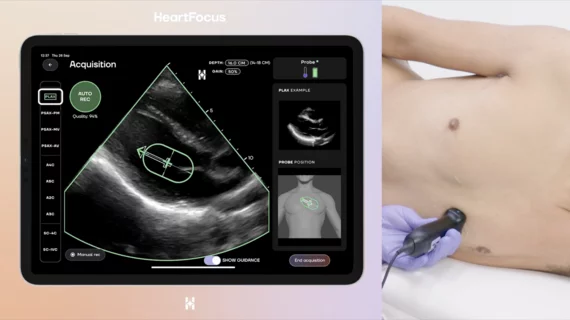
HeartFocus DESKi

HeartFocus image courtesy of DESKi.

HeartFocus guides users through the entire process, making it so that even novices can deliver high-quality echocardiograms every time.

  • Read more about FDA clears AI-powered echocardiography software

Edwards Lifesciences announces key approval for new mitral valve replacement system

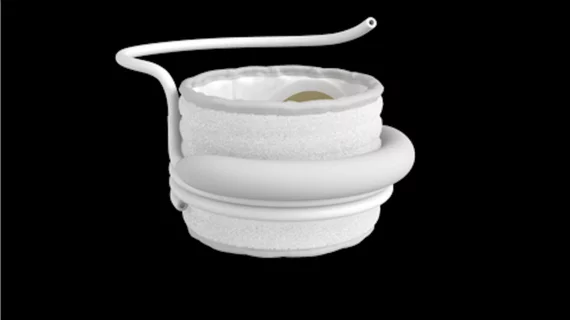
The Sapien M3 system for transcatheter mitral valve replacement. Image courtesy of Edwards Lifesciences.

The Sapien M3 system for transcatheter mitral valve replacement. Image courtesy of Edwards Lifesciences.

The Sapien M3 device was designed to treat symptomatic mitral regurgitation in patients who are not suitable candidates for surgery or transcatheter edge-to-edge repair.

  • Read more about Edwards Lifesciences announces key approval for new mitral valve replacement system

Why surgery, not TAVR, remains the best treatment for some AS patients

A majority of medical devices involved in Class I recalls were never required by the U.S. Food and Drug Administration (FDA) to undergo premarket or postmarket clinical testing, according to new research published in Annals of Internal Medicine.[1]

TAVR is being used in more patients to treat severe aortic stenosis. However, according to a new commentary piece, SAVR is still the smartest treatment option for certain populations, including younger patients with bicuspid aortic valves.


  • Read more about Why surgery, not TAVR, remains the best treatment for some AS patients

Reimbursements, non-compete clauses and more: SCAI focused on key policies in interventional cardiology

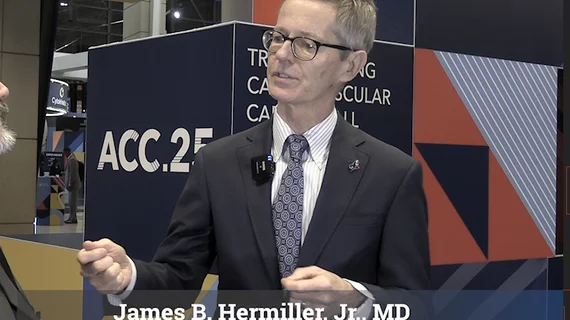
SCAI President James B. Hermiller, Jr., MD, director of the transcatheter structural heart program at Ascension St. Vincent Heart Center, Indianapolis, outlined the organization’s key policy priorities for the year. Among them: physician payment reform, peer review overhaul, medical education debt relief, the elimination of non-compete clauses, and physician mental health protections.

SCAI President James B. Hermiller, Jr., MD, detailed the group's key policy concerns in 2025 and beyond in a new video interview. 

  • Read more about Reimbursements, non-compete clauses and more: SCAI focused on key policies in interventional cardiology

Pagination

    • First page « First
    • Previous page ‹ Previous
    • Page …144
    • Page 145
    • Page 146
    • Page 147
    • Current page 148
    • Page 149
    • Page 150
    • Page 151
    • Page 152 …
    • Next page Next ›
    • Last page Last »
Subscribe
  • Home
  • News
  • Article Archive
  • Custom Content
  • Webinars
  • Press Releases
  • Content Studio
  • Advertising
  • Submit Press Release
  • Contact Us
  • Terms of Use
  • Privacy Policy
  • Cardiovascular Business
  • HealthExec
  • Radiology Business
 
© 2026 Innovate Healthcare | All Rights Reserved. | Terms of Use | Privacy Policy
 
Design by Adaptive Theme