• Clinical
      |Clinical
    • Acute Coronary Syndromes
    • Cardiac Surgery
    • Covid-19
    • Heart Failure
    • Heart Health
    • Heart Rhythm
    • Hypertension
    • Interventional Cardiology
    • Mitral Valve
    • Pharmaceutics
    • Structural Heart Disease
    • TAVR
    • Tricuspid Valve
    • Vascular & Endovascular
  • Management
      |Management
    • Chest Pain Guidelines
    • Compensation
    • Economics
    • Education & Training
    • Legal News
    • Patient Care
    • Policy & Regulations
    • Professional Associations
    • Quality
    • Revenue
    • Staffing
  • Technology
      |Technology
    • AI
    • Cardiac Imaging
    • Cath Lab
    • CT
    • CVIS
    • ECG
    • Echo
    • EP Lab
    • Informatics
    • MRI
    • Nuclear Cardiology
    • Remote Monitoring
  • Videos
  • Conferences
      |Conferences
    • ACC
    • AHA
    • ASE
    • ASNC
    • ESC
    • EuroPCR
    • HFSA
    • HRS
    • HRS
    • SCAI
    • SCCT
    • SIIM
    • SNMMI
    • STS
    • TCT
    • VIVA
  • Custom Content
      |Custom Content
    • Experience Stories
    • Webinars & Videos
  • Subscribe
  • Forty Under 40 Award
      |Forty Under 40 Award
    • Class of 2026
    • Class of 2025

Search form

Home

DOACs can be safely continued during elective procedures on AFib patients

With shorter half-lives and more predictable effects, direct oral anticoagulants (DOACs) could help simplify perioperative treatment decisions for patients with non-valvular atrial fibrillation (NVAF), suggests a meta-analysis published May 24 in Circulation.

  • Read more about DOACs can be safely continued during elective procedures on AFib patients

‘Mediterranean diet is gone’: 40% of region’s children are obese

Mediterranean diet

Countries in the Mediterranean region—thought to have one of the healthiest diets in the world—now have the highest rates of childhood obesity in Europe, according to data presented last week.

  • Read more about ‘Mediterranean diet is gone’: 40% of region’s children are obese

Severe eczema in adulthood may increase CVD risk by 70%

Cardiovascular

Severe and active atopic eczema in adulthood is associated with an increased risk for developing cardiovascular disease (CVD), including stroke, heart failure, myocardial infarction (MI) and atrial fibrillation (AFib), according to a new study published May 23 in The BMJ.

  • Read more about Severe eczema in adulthood may increase CVD risk by 70%

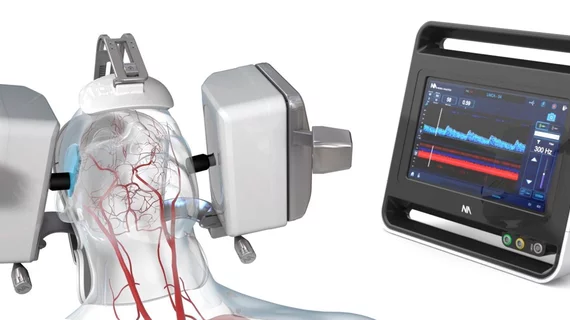
FDA clears robotic ultrasound system for assessing brain blood flow

Neural Analytics' Lucid Robotic System | NeuralBot System

The FDA has cleared a robotic system that can noninvasively assess abnormal blood flow to the brain, helping diagnose and triage patients with ischemic strokes and other neurologic disorders.

  • Read more about FDA clears robotic ultrasound system for assessing brain blood flow

Testosterone-estrogen ratio signals CVD risk in post-menopausal women

A higher testosterone-to-estrogen ratio could be a harbinger of future cardiovascular disease (CVD) among post-menopausal women, according to a study published May 28 in the Journal of the American College of Cardiology.

  • Read more about Testosterone-estrogen ratio signals CVD risk in post-menopausal women

Want to make cardiology more appealing to the next generation? Emphasize work-life balance

Work-life balance is the chief determinant that leads internal medicine (IM) trainees to select cardiology as a career, according to a study published May 30 in JAMA Cardiology.

  • Read more about Want to make cardiology more appealing to the next generation? Emphasize work-life balance

Physicians don’t trust predictive tools for heart failure

Several models have been developed to predict mortality among heart failure patients, but clinicians remain reluctant to use them in everyday practice. In fact, fewer than 1 percent of patients received a prognostic estimate from their physicians in a European registry analysis published in JACC: Heart Failure.

  • Read more about Physicians don’t trust predictive tools for heart failure

Growth hormone may help restore cognitive function after stroke

Human growth hormone showed the potential to improve the memory and cognitive function of mice post-stroke, raising the possibility of a similar treatment for humans.

  • Read more about Growth hormone may help restore cognitive function after stroke

Price pressure: Hypertensive patients spend nearly $2,000 more per year

Hypertensive patients collect $1,920 more in annual healthcare expenditures compared to healthy individuals, according to a study published in the Journal of the American Heart Association on May 30.

  • Read more about Price pressure: Hypertensive patients spend nearly $2,000 more per year

Getinge announces results from SEMPER FI pilot study of intra-aortic balloon pump showing numerical trend toward reduced mortality in patients with extensive myocardial infarction and persistent ischemia

WAYNE, N.J., May 25, 2018 — Getinge, a leading global provider of innovative medical technology, today announced results from the Survival Improvement in Extensive Myocardial Infarction with PERsistent Ischemia Following IABP Implantation (SEMPER FI) pilot study.


  • Read more about Getinge announces results from SEMPER FI pilot study of intra-aortic balloon pump showing numerical trend toward reduced mortality in patients with extensive myocardial infarction and persistent ischemia

Pagination

    • First page « First
    • Previous page ‹ Previous
    • Page …782
    • Page 783
    • Page 784
    • Page 785
    • Current page 786
    • Page 787
    • Page 788
    • Page 789
    • Page 790 …
    • Next page Next ›
    • Last page Last »
Subscribe
  • Home
  • News
  • Article Archive
  • Custom Content
  • Webinars
  • Press Releases
  • Content Studio
  • Advertising
  • Submit Press Release
  • Contact Us
  • Terms of Use
  • Privacy Policy
  • Cardiovascular Business
  • HealthExec
  • Radiology Business
 
© 2026 Innovate Healthcare | All Rights Reserved. | Terms of Use | Privacy Policy
 
Design by Adaptive Theme