
FDA clears first robotically guided EP mapping catheter for ablation
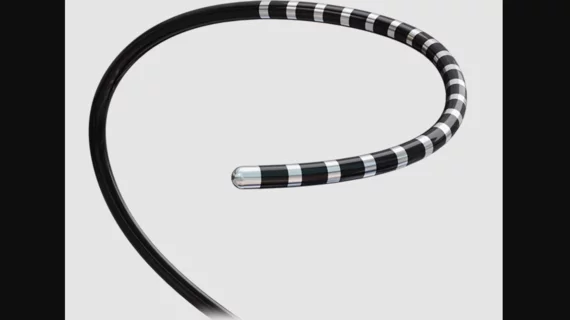
Stereotaxis, a St. Louis-based medtech company, has received U.S. Food and Drug Administration (FDA) clearance for the first robotically navigated, high-density electrophysiology (EP) mapping device of its kind, the Magic Sweep catheter.
The newly approved device is designed to provide clinicians with more data during cardiac ablation procedures when used in conjunction with Stereotaxis robotics systems. It delivers detailed maps of the chambers of the heart, and it was built specifically with flexibility and patient safety in mind.
“The development of the first ever robotically navigated high-density mapping catheter is a major milestone for the EP field,” Roderick Tung, MD, chief of cardiology and director of cardiovascular clinical research at The University of Arizona College of Medicine – Phoenix, said in prepared statement. “Mapping with multi-electrode catheters has taught us so much in both mechanism and therapy for both atrial and ventricular arrhythmias. Remaining limited to only point-by-point mapping has held back the adoption of robotic navigation, as we have become accustomed to seeing human arrhythmias in exquisitely high resolution. We look forward to the positive impact we expect Magic Sweep to have on our patients and new possibilities in the field.”
“FDA clearance of Magic Sweep marks a pivotal moment for Stereotaxis as we advance a broad portfolio of differentiated robotically-navigated catheters,” added David Fischel, Stereotaxis chairman and CEO. “Magic Sweep is Stereotaxis’ first FDA clearance for an interventional catheter in nearly 20 years, but is only the first of multiple robotically-steered interventional devices being advanced as part of our comprehensive innovation strategy. This catheter reflects our commitment to significant innovations that advance robotics in EP and across endovascular interventions.”
This device has not yet received CE mark approval.

Michael has more than 19 years of experience as a professional writer and editor. He has written at length about cardiology, radiology, artificial intelligence and other key healthcare topics.