
Beta-blockers do not benefit heart attack patients with a normal LVEF
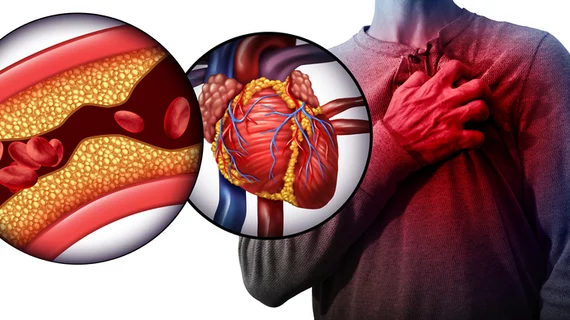
Beta-blocker therapy does not significantly improve outcomes for heart attack patients with a left ventricular ejection fraction (LVEF) of at least 50%, according to new data presented at the American Heart Association’s Scientific Sessions 2025 conference. The findings were simultaneously published in The New England Journal of Medicine.[1]
In September, data from the REBOOT trial showed that beta-blockers may provide no clinical value for a majority of patients who have experienced a myocardial infarction. REBOOT was one of five randomized trials included in this latest analysis.
The team behind this meta-analysis focused on data from nearly 18,000 patients who had originally participated in REBOOT, REDUCE-AMI, BETAMI, DANBLOCK or CAPITAL-RCT. All patients presented with a recent myocardial infarction and a “normal” LVEF of at least 50%. While 49.6% of patients were treated with a beta-blocker, the remaining 50.4% did not receive a beta-blocker.
(A previous meta-analysis used the same five randomized trials to explore myocardial infarction patients with a mildly reduced LVEF of 40% to 49%.[2] That study found that beta-blocker therapy was beneficial for these individuals.)
Overall, after a median follow-up period of 3.6 years, the study’s primary endpoint—a composite of all-cause mortality, myocardial infarction and heart failure—occurred in 8.1% of patients in the beta-blocker group and 8.3% of patients in the control group. All three outcomes included in that endpoint were also comparable when viewed separately. In addition, the coronary revascularization rates were nearly identical for the two groups.
The study’s authors noted that these findings were “not unexpected” when one considers the specific patient population being evaluated.
“Patients with myocardial infarction and a preserved LVEF have probably experienced smaller infarctions with less myocardial scarring than patients with a reduced LVEF, which decreases the vulnerability of patients with a preserved LVEF to ventricular arrhythmias and sudden cardiac death,” wrote first author Anna Meta Dyrvig Kristensen, MD, a cardiologist with Copenhagen University Hospital, and colleagues. “Consequently, the pharmacologic effects of beta-blockers after myocardial infarction may be less relevant in this population.”
Kristensen et al. also noted that higher beta-blocker doses were associated with a higher risk of experiencing an adverse outcome. However, the group wrote, “this finding may relate to a greater burden of coexisting diseases or baseline risk of events among patients receiving higher doses than those receiving lower doses.”
“Observational studies have shown no association between beta-blocker dose and outcomes,” they added. “Beta-blocker doses were generally low in all trials, which reflects current clinical practice.”
Click here to read the full study in The New England Journal of Medicine.

Michael has more than 19 years of experience as a professional writer and editor. He has written at length about cardiology, radiology, artificial intelligence and other key healthcare topics.