
New expert guidelines examine the use of temporary MCS during heart surgery

Three large medical societies have published new clinical practice guidelines on the use of temporary mechanical circulatory support (MCS) during cardiac surgeries.
The European Association for Cardio-Thoracic Surgery, Society of Thoracic Surgeons and American Association for Thoracic Surgery all collaborated on the document, which is more than 200 pages long and includes more than 800 references. It has been published in full in the European Journal of Cardio-Thoracic Surgery, The Annals of Thoracic Surgery and the Journal of Thoracic and Cardiovascular Surgery.[1-3]
“Temporary MCS is now a standard of care for managing acute cardiogenic shock, acute chronic heart failure and circulatory failure following cardiac procedures,” according to the authors. “Moreover, broader availability of microaxial flow pump devices and growing clinical expertise have enabled temporary MCS use in increasingly complex scenarios, including in elderly and pediatric patients, those with adult congenital heart disease and individuals undergoing complex cardiac operations or presenting with advanced cardiogenic shock.”
The group emphasized that the use of temporary MCS has grown more complex over time due to the evolution of these technologies. What was once a fairly straightforward “once-size-fits all” model is now much more challenging to keep up with while also providing patient care on a daily basis. These new clinical guidelines were developed with that very problem in mind. The authors hoped to educate clinicians, “catalyze ongoing progress in the delivery of temporary MCS” and improve patient outcomes.
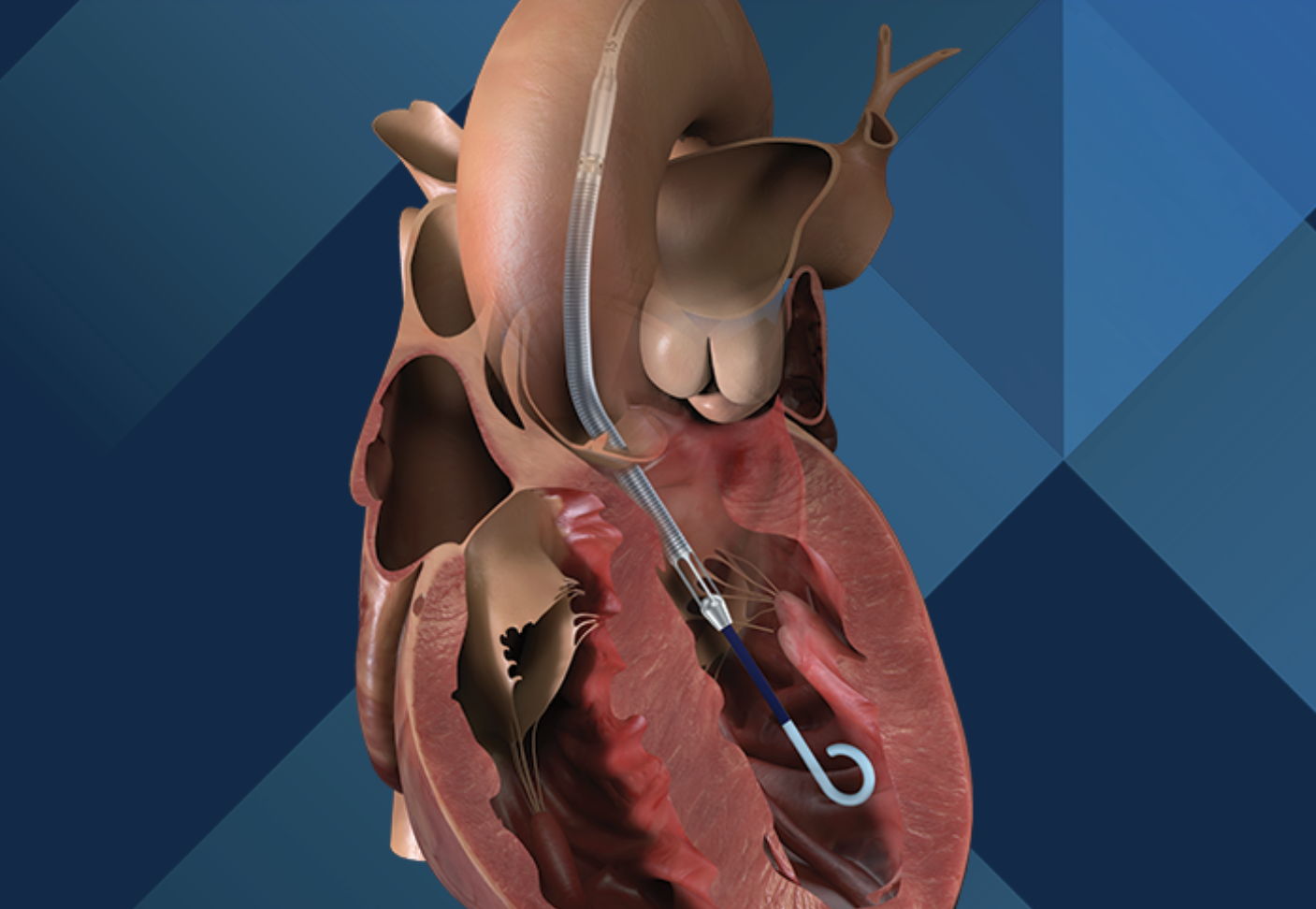
Impella CP image courtesy of Johnson & Johnson MedTech.
This document covers a wide range of recommendations, medical devices and clinical scenarios. There is even an entire subsection exploring alternatives to temporary MCS, such as medical therapy, emergency interventions and palliative care.
“These clinical practice guidelines are the product of a broad, multidisciplinary collaboration aimed at optimizing the care of patients who require temporary MCS for a wide range of life-threatening conditions,” according to the authors. “Drawing on a rigorous appraisal of the current evidence base and intensive cross-specialty deliberation, the task force has translated complex clinical realities into clear, actionable recommendations. Temporary MCS is now indispensable in the management of cardiogenic shock and in selected perioperative or high-risk interventional settings. Safe, effective therapy demands individualized strategies anchored in multidisciplinary teamwork, standardized protocols and robust institutional infrastructure. Device selection and timing remain key determinants of outcome, underscoring the importance of early consultation with experienced centers.”
The group also noted that these guidelines are focused exclusively on the treatment of adult patients. In the future, a separate document will be released dedicated to pediatric patients.
Click here for more.

Michael has more than 19 years of experience as a professional writer and editor. He has written at length about cardiology, radiology, artificial intelligence and other key healthcare topics.