PHOTO GALLERY: Cardiac surgery technologies at the AATS 106th Annual Meeting
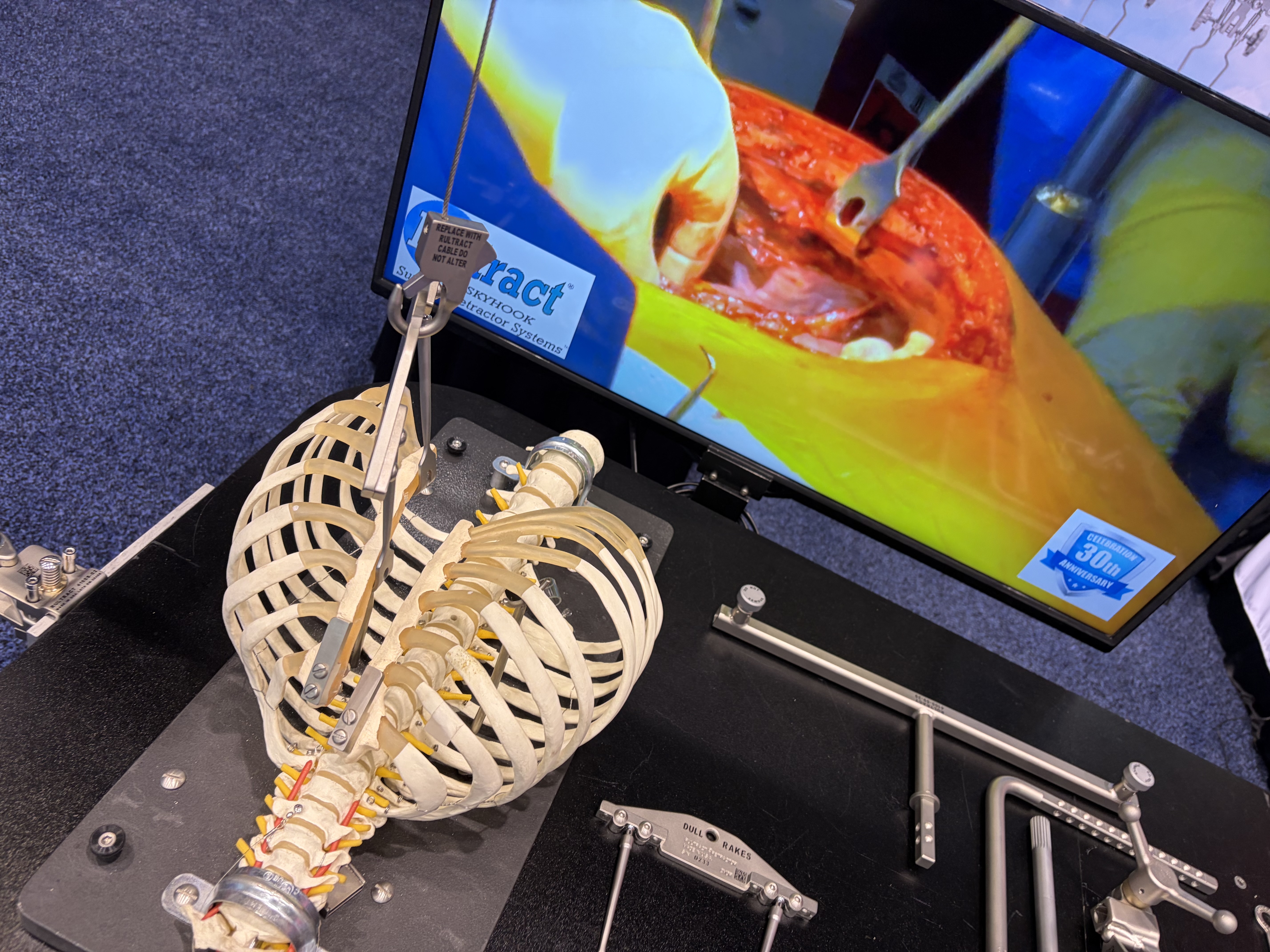
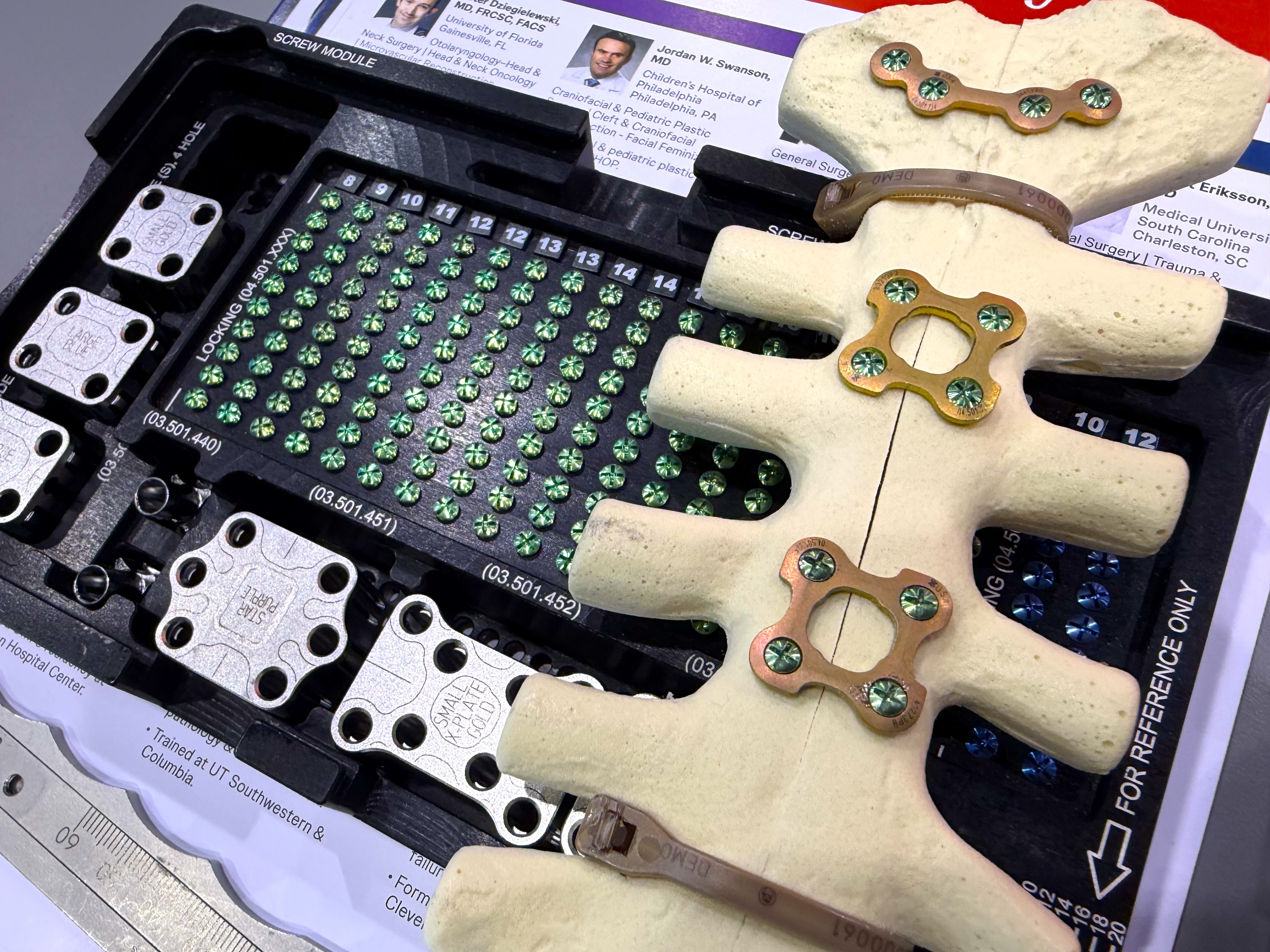
This is a photo gallery of images of cardiovascular surgical devices displayed at the American Association for Thoracic Surgery (AATS) 106th Annual Meeting in Chicago. It includes new technologies such as robotic systems, heart valves, stent grafts, retractors, and annuloplasty rings displayed on the expo floor and in educational sessions. All photos were taken by Dave Fornell.
Click on the photo or hover over it to read a caption. Click here for additional cardiac surgery content.
The FDA-cleared Abbott Tendyne transcatheter mitral valve replacement device. While the implant does not technically require surgery, the first-generation device does rely on surgical support for transapical access through the wall of the heart and sutures to both prevent bleeding and secure the device. Abbott said its second-generation device will enable a fully transcatheter delivery.
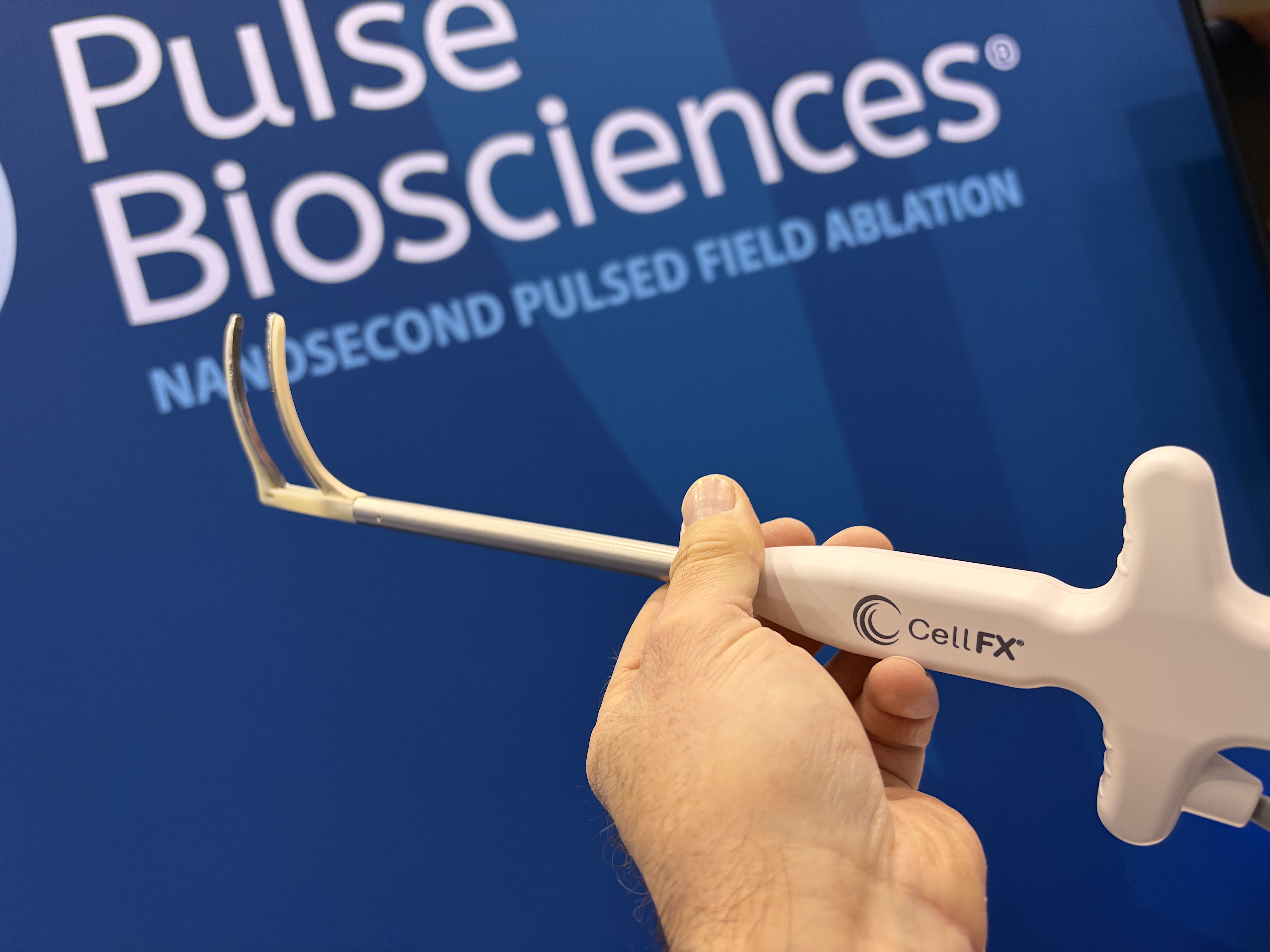
A pulsed field ablation (PFA) surgical ablation system shown as a work in progress by Pulse Bioscience. It uses nano-pulse energy waves to cause electroporation of cell walls to initiate cell death, and it is considered safer than traditional ablation systems. The company also has a catheter-based nPulse energy system in trials for EP labs. The system is not yet cleared by the FDA.
A tricuspid annular ring surgical repair device used to change the geometry of the leaflets to create a better seal to prevent regurgitation. Displayed in the Genesse booth. Unlike mitral and aortic annuloplasty rings, the tricuspid rings are open on one side to prevent sutures cause arrhythmias because of the close proximity of the atrioventricular (AV) node in the atrial septum.
A specialized women's medical bra made by Masthead to help support the chest and breasts better during recovery from cardiac surgery. The company originally started out making bras for women undergoing breast radiation therapy, but other subspecialities like cardiac surgery began using them as well.
The FDA cleared Abbott Tendyne transcatheter mitral valve replacement device seen implanted into a 3D printed heart model. While it is technically transcatheter, the first generation device requires surgical support for transapical access through the wall of the heart and sutures to both prevent bleeding and tyo secure the device. Abbott said its second generation device enable a fully transcatheter delivery.
The Edwards Lifesciences Resilia valve uses specially prepared tissue for the leaflets to prevent calcification and to better preserve longevity. New 10-year results from the COMMENCE trial showed 97.9% freedom from structural valve deterioration (SVD) and 97.8% freedom from re-operation due to SVD.
Related Photo Gallery Content:
Dave Fornell has covered healthcare for more than 17 years, with a focus in cardiology and radiology. Fornell is a 5-time winner of a Jesse H. Neal Award, the most prestigious editorial honors in the field of specialized journalism. The wins included best technical content, best use of social media and best COVID-19 coverage. Fornell was also a three-time Neal finalist for best range of work by a single author. He produces more than 100 editorial videos each year, most of them interviews with key opinion leaders in medicine. He also writes technical articles, covers key trends, conducts video hospital site visits, and is very involved with social media. E-mail: [email protected]