
FDA approves updates to Abbott’s CardioMEMS heart failure platform
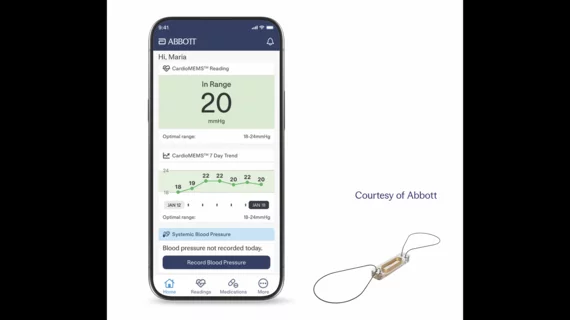
Abbott has secured a new approval from the U.S. Food and Drug Administration (FDA) that allows users of its popular CardioMEMS platform to view their own pulmonary artery pressure (PAP) readings and receive personalized updates through a smartphone app.
Heart failure patients with an implanted CardioMEMS sensor use the CardioMEMS Hero device, which just gained FDA approval in February, to monitor their PAP over time. This approval helps those patients track any PAP changes through the CardioGuide HF App. According to Abbott, this helps patients take a more active role in managing their own health.
“Abbott is reshaping heart failure care by bringing meaningful, actionable information directly to patients,” Katie Spayde, vice president of Abbott's heart failure division, said in a statement. “For many people living with heart failure, managing their condition is part of everyday life. By giving patients greater visibility into their condition, these new capabilities help them stay informed, engaged and connected to their care between doctor visits.”
“Heart failure can worsen before patients notice shortness of breath, swelling or weight gain. PAP readings can help identify changes earlier, giving care teams an opportunity to adjust treatment before symptoms develop,” added Andrew J. Sauer, MD, cardiologist and vice president for research at Saint Luke's Mid America Heart Institute and professor of medicine at the University of Missouri-Kansas City. “By giving patients access to their pressure trends and personalized guidance from their care team, the CardioGuide HF App can help patients better understand their condition, understand why treatment adjustments are recommended, and take a more active role in managing their heart failure.”
Another newly approved CardioMEMS feature is the Dynamic Treatment Plan. This allows a patient’s care team to develop medication updates based on specific PAP changes.
Abbott is working to have these new updates available to patients in the months ahead.

Michael has more than 19 years of experience as a professional writer and editor. He has written at length about cardiology, radiology, artificial intelligence and other key healthcare topics.