
First patient enrolled in massive heart failure trial
CVRx has started enrolling patients for BENEFIT-HF, a new analysis of the company’s implantable Barostim device for the treatment of heart failure.
The company expects BENEFIT-HF to be one of the largest of studies of its kind. Approximately 2,500 patients throughout the United States and Germany will ultimately be enrolled. The first patient was enrolled at North Central Heart, a division of the Avera Heart Hospital, in Sioux Falls, South Dakota.
All patients enrolled for BENEFIT-HF will present with New York Heart Association Functional Class II or III heart failure with a left ventricular ejection fraction below 50% and NT-proBNP below 5,000 pg/mL, despite undergoing guideline-directed medical therapy. The randomized, controlled, multicenter trial is expected to run through 2032.
“We are honored to enroll the first patient in the BENEFIT-HF trial,” Orvar Jonsson, MD, a cardiologist with Avera Heart Hospital, said in a statement. “This study will evaluate Barostim therapy in a broader population of patients who remain symptomatic despite optimized, guideline-directed medical therapy, generating important data that will further define Barostim’s position in the heart failure continuum.”
“Achievement of this early milestone reflects tremendous excitement in the healthcare community regarding this landmark trial, and strong execution by the CVRx team in partnership with BENEFIT-HF investigators,” added Kevin Hykes, president and CEO of CVRx. “We are proud to collaborate with leading physicians in development of such meaningful clinical evidence, and excited to further characterize the patient benefits of Barostim therapy that we believe will drive long-term adoption.”
Data from BENEFIT-HF could potentially triple the size of the indicated patient population for the Barostim device.
Additional context about Barostim therapy
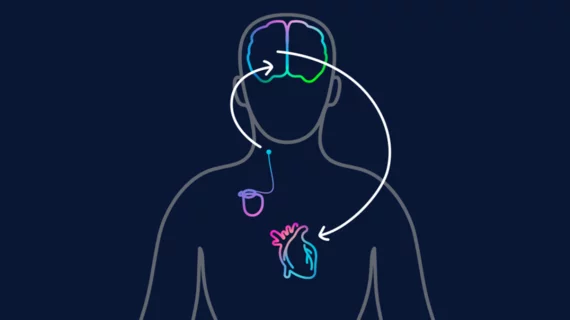
Barostim therapy works by sending small electrical pulses to sensors in the neck. Those sensors then send signals to the brain that help regulate the patient’s heart, kidneys and vascular system. Those signals are typically sent without therapy, but that function is diminished in heart failure patients.
The Barostim device has gained significant momentum in recent years. It already received both U.S. Food and Drug Administration and CE mark approval, for example, in addition to new Category 1 CPT codes from the American Medical Association.

Michael has more than 19 years of experience as a professional writer and editor. He has written at length about cardiology, radiology, artificial intelligence and other key healthcare topics.