
Energy drinks and stimulant supplements linked to several serious heart risks
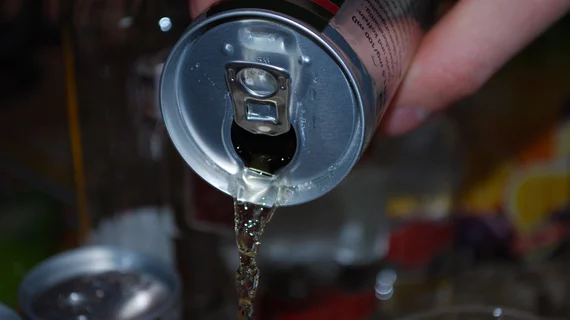
Caffeinated energy drinks and stimulant supplements, which have skyrocketed in popularity in recent years, are associated with an increased risk of cardiac arrest, heart attack and many other potentially fatal health conditions. That’s according to a new analysis of U.S. Food and Drug Administration (FDA) safety data being presented at the American Heart Association’s Scientific Sessions 2026 in Chicago.
“These products are marketed as everyday pick-me-ups and sold next to soda and bottled water, so most people assume they carry no real risk,” co-author Sai Samayamanthula, a researcher at the University of Virginia School of Medicine, said in a statement ahead of the conference. “For many healthy people, if these products are consumed occasionally, the risk is probably small. However, individuals who consume energy drinks or other stimulant-containing supplements regularly can quickly exceed the recommended daily limit for caffeine, so it’s important for people to know that there may be a risk of cardiovascular harm with these products.”
Samayamanthula and colleagues explored data from more than 28,000 reports made to the FDA from 2017 to 2025. Nearly 900 of those reports specifically mentioned caffeine or stimulant-containing energy drinks or dietary supplements. The group then compared those reports to the other 27,000-plus reports to learn more about how these products can impact a person’s cardiovascular health.
Overall, cardiac arrest was reported roughly 11 times more often in FDA safety reports related to caffeine- and stimulate-containing products than reports related to other products. Heart attacks, ventricular arrhythmias, heart palpitations, chest pain, fainting and elevated heart rates were also much more common in safety reports related to caffeine- and stimulant-containing products than reports that do not mention those specific ingredients.
In addition, the group noted, approximately 45% of these safety reports related to caffeine- and stimulate-containing products involved adults between the ages of 18 to 34.
“Our findings support the case for more systematic safety monitoring of caffeine- and stimulant-containing products,” Samayamanthula said. “In addition, healthcare professionals should remember to ask their younger patients who have palpitations, chest pain or fainting spells if they recently or regularly consume these products.”
The American Heart Association’s Scientific Sessions 2026 is scheduled for Nov. 6-9 in Chicago. Click here for additional details.

Michael has more than 19 years of experience as a professional writer and editor. He has written at length about cardiology, radiology, artificial intelligence and other key healthcare topics.