
Abbott secures key approval for new catheter capable of PFA, radiofrequency ablation
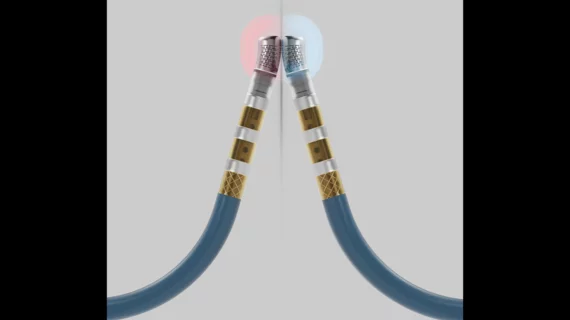
Abbott has received CE mark approval for its TactiFlex Duo Ablation Catheter, Sensor Enabled for the treatment of atrial fibrillation (AFib).
The device was designed to deliver both pulsed field ablation (PFA) energy and radiofrequency energy, providing care teams with multiple treatment options during cardiac ablation procedures. PFA, one of the biggest ongoing trends in electrophysiology, uses high-energy electrical pulses to target the cells responsible for abnormal heart rhythms. Radiofrequency, meanwhile, has been around much longer and relies on the use of heat. The device allows users to switch back and forth from one ablation type to the other as necessary.
“The TactiFlex Duo Catheter provides another advanced tool to Abbott's growing PFA portfolio for treating patients with more complex cases such as those with co-existing heart disease and heart failure, long-lasting AFib, ventricular arrhythmias and patients with a history of failed ablations,” Christopher Piorkowski, MD, chief medical officer of Abbott's electrophysiology business, said in a statement. “By focusing on a holistic view of patient care, physicians now have multiple clinically proven tools to enhance workflow and to effectively treat a wide range of arrhythmias.”
“TactiFlex Duo’s most unique feature is its dual options that allow physicians to seamlessly switch treatment during a procedure based on the patient's personalized needs and anatomy,” added Isabel Deisenhofer, MD, head of the department of electrophysiology at the German Heart Center Munich in Germany. “For patients who do not respond to medication and other traditional treatments, a successful cardiac ablation is critical as it can reduce the risk of recurrence of AFib and provide long-lasting relief.”
Deisenhofer was one of the first physicians to use the TactiFlex Duo following European CE mark approval.
The regulatory approval followed positive data from the FOCALFLEX CE mark study, which enrolled patients in Europe, the United Kingdom and Australia. Overall, according to Abbott, the global trial confirmed the device’s safety and effectiveness when treating AFib.
Meanwhile, the FLEXPULSE IDE trial is underway in the United States to evaluate the device.

Michael has more than 19 years of experience as a professional writer and editor. He has written at length about cardiology, radiology, artificial intelligence and other key healthcare topics.