
FDA details Class I recalls for more than 1 million pacemakers—software update required

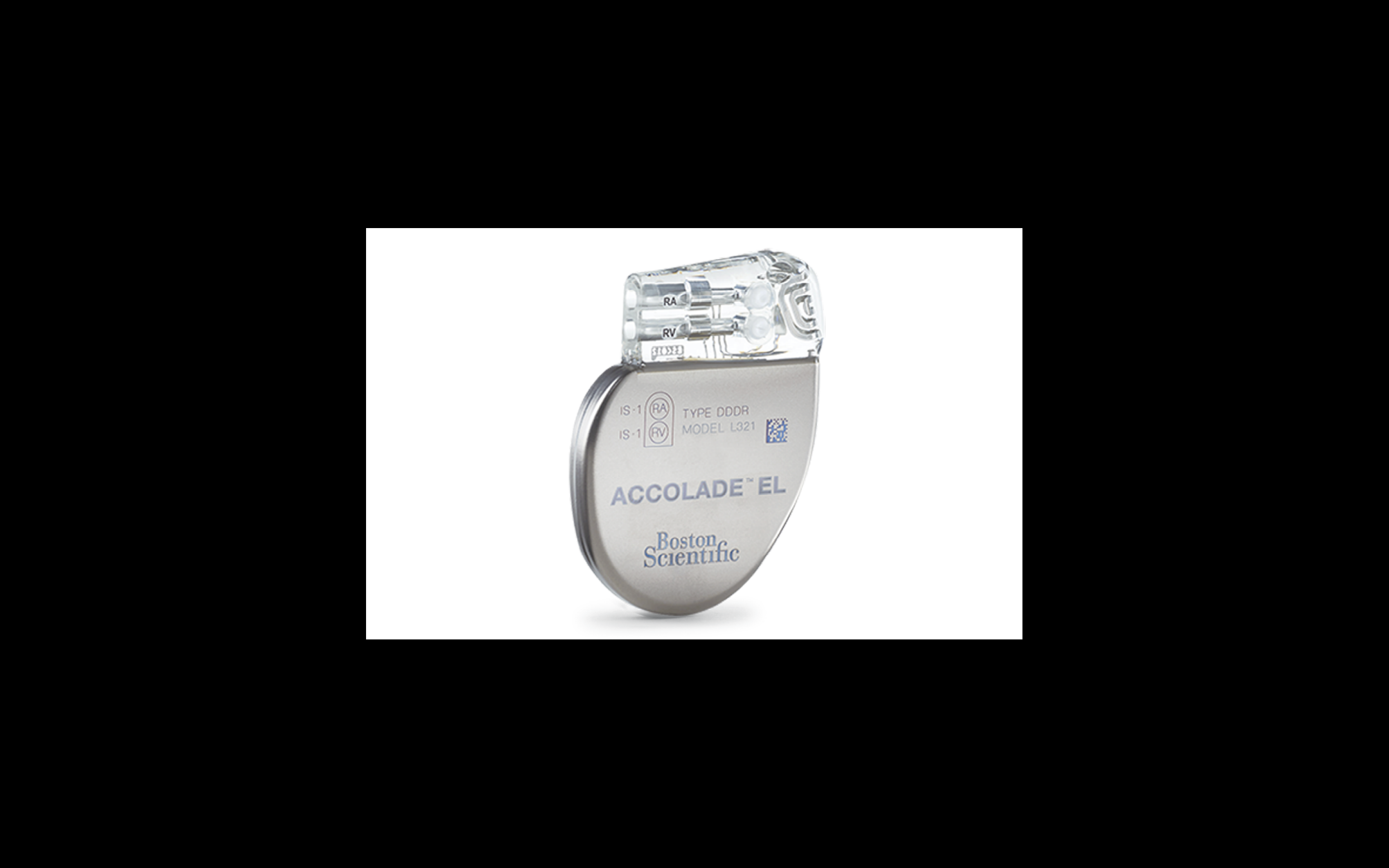
The U.S. Food and Drug Administration (FDA) has finalized new recalls related to ongoing safety concerns with Boston Scientific’s Accolade family of pacemakers. The recalls cover more than 1 million devices.
A variety of Boston Scientific devices are included in these recalls. This includes the Accolade, Proponent, Essentio and Altura 2 dual chamber standard life and extended life pacemakers in addition to the Visionist and Valitude CRT pacemakers.
Unlike many recalls, no devices need to be returned to the manufacturer. Instead, the FDA and Boston Scientific are recommending the installation of a new software update. As of Oct. 10, these are all Class I recalls. This means the FDA believes there is a risk of the devices causing a serious injury or death if the software update is not installed.
There are 27 new Class I recalls in total—that number is so high because each specific device has its own entry. They are all associated with the same ongoing issue.
Background on these ongoing concerns
In December 2024, the FDA shared a warning that certain devices from Boston Scientific’s Accolade family of pacemakers were associated with an increased risk of entering Safety Mode in an ambulatory setting. Safety Mode is a feature intended to only be used during critical failures when three power-on resets are required within 48 hours due to battery issues. If devices enter Safety Mode, it creates a situation where it will need to be removed and replaced.
The issue was linked to more than 800 patient injuries and two deaths. Patients were advised to work with their healthcare providers to determine how to proceed. At the time, the FDA emphasized that some patients may require a replacement if the risk of their device entering Safety Mode is especially high.
Two months later, the FDA officially announced that this issue had been categorized a Class I recall.
New recalls follow September software update
In September, Boston Scientific alerted customers about a software update—Model 3869 v2.04— that was put in place to help detect high battery impedance and prevent devices from entering Safety Mode. These new Class I recalls highlight the urgency of installing the update.
However, the company did note that this software update has resulted in two “unintended behaviors.” First, Boston Scientific noted that some wandless automatic telemetry services are not stopping when high battery impedance is detected. Second, there is a risk of the software’s new daily battery tests causing measurements to be inaccurate when “in the presence of a magnet.”
Boston Scientific is now developing a software update designed to correct these two unintended behaviors. Until that update is available, the company is still urging customers to ensure all devices have received the Model 3869 v2.04 update.
“Despite the possible occurrence of these unintended behaviors, the benefits of implementing the Model 3869 v2.04 software outweigh the risks associated with prophylactic replacement,” according to the company’s latest advisory. “As such, Boston Scientific strongly recommends the continued installation of this software for all devices within the Accolade family; all Accolade pacemakers are intended to receive this software/firmware upgrade.”
Boston Scientific noted that no additional patient deaths have been reported due to this issue since it was originally reported to the public in late 2024.
Boston Scientific shares a statement
Cardiovascular Business reached out to Boston Scientific for a statement about this ongoing issue. The company highlighted the importance of installing the latest software update.
"In conjunction with the recommendations provided, this upgrade is designed to prevent devices from initiating Safety Mode in an ambulatory setting due to an elevated internal battery impedance," a company spokesperson said. "The software upgrade is available in countries where it has been approved and will be available in other regions as regulatory approvals are received. Notice of the available upgrade is being provided to physicians as an update to the original communication regarding the potential for the Accolade family of devices to exhibit this behavior. No devices within the advisory population remain available for implant."
Boston Scientific also commented on the “unintended behaviors" associated with the new software update, emphasizing that they are relatively minor.
"These behaviors do not affect device sensing, therapy delivery or programmed functions," the spokesperson said. "Boston Scientific strongly recommends the continued installation of the software upgrade for all devices while updated software to address these unintended behaviors is developed and approved."

Michael has more than 19 years of experience as a professional writer and editor. He has written at length about cardiology, radiology, artificial intelligence and other key healthcare topics.