
FDA announces recall of Johnson & Johnson devices after multiple injuries, 1 death
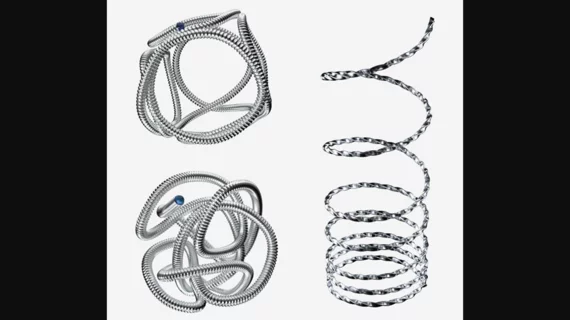
The U.S. Food and Drug Administration (FDA) has announced that Johnson & Johnson MedTech is recalling its Cerepak Detachable Coil Systems due to a heightened risk of the devices failing to detach.
This has been categorized as a Class I recall, which means the FDA believes using these devices could result in a serious injury or death.
“The failure to detach could result in hemorrhagic and ischemic stroke, procedural delays or the need for additional surgical intervention,” according to the FDA’s advisory.
Johnson & Johnson MedTech has received reports of four serious injuries and one death associated with this issue.
What devices are included in this Class I recall?
The Cerepak Detachable Coil Systems were designed for the embolization of intracranial aneurysms, neurovascular abnormalities such as arteriovenous malformations and arterial and venous embolizations performed in the peripheral vascular system. Neurosurgeons, vascular surgeons and interventionalists from multiple specialties all use these devices. They may include Cerenovus labeling, but they are now a part of the Johnson & Johnson MedTech brand.
This specific alert include more than 150 different devices, including the Cerepak Uniform Detachable Coil System, Cerepak Uniform XL Detachable Coil System, Cerepak Uniform 3D Detachable Coil System, Cerepak Heliform Soft Detachable Coil System, Cerepak Heliform XtraSoft Detachable Coil System, Cerepak Heliform XL Detachable Coil System, Cerepak Heliform XtraSoft XL Detachable Coil System, Cerepak Freeform Detachable Coil System, Cerepak Freeform Mini Detachable Coil System, Cerepak Freeform XtraSoft Detachable Coil System and Cerepak Detacher Handle.
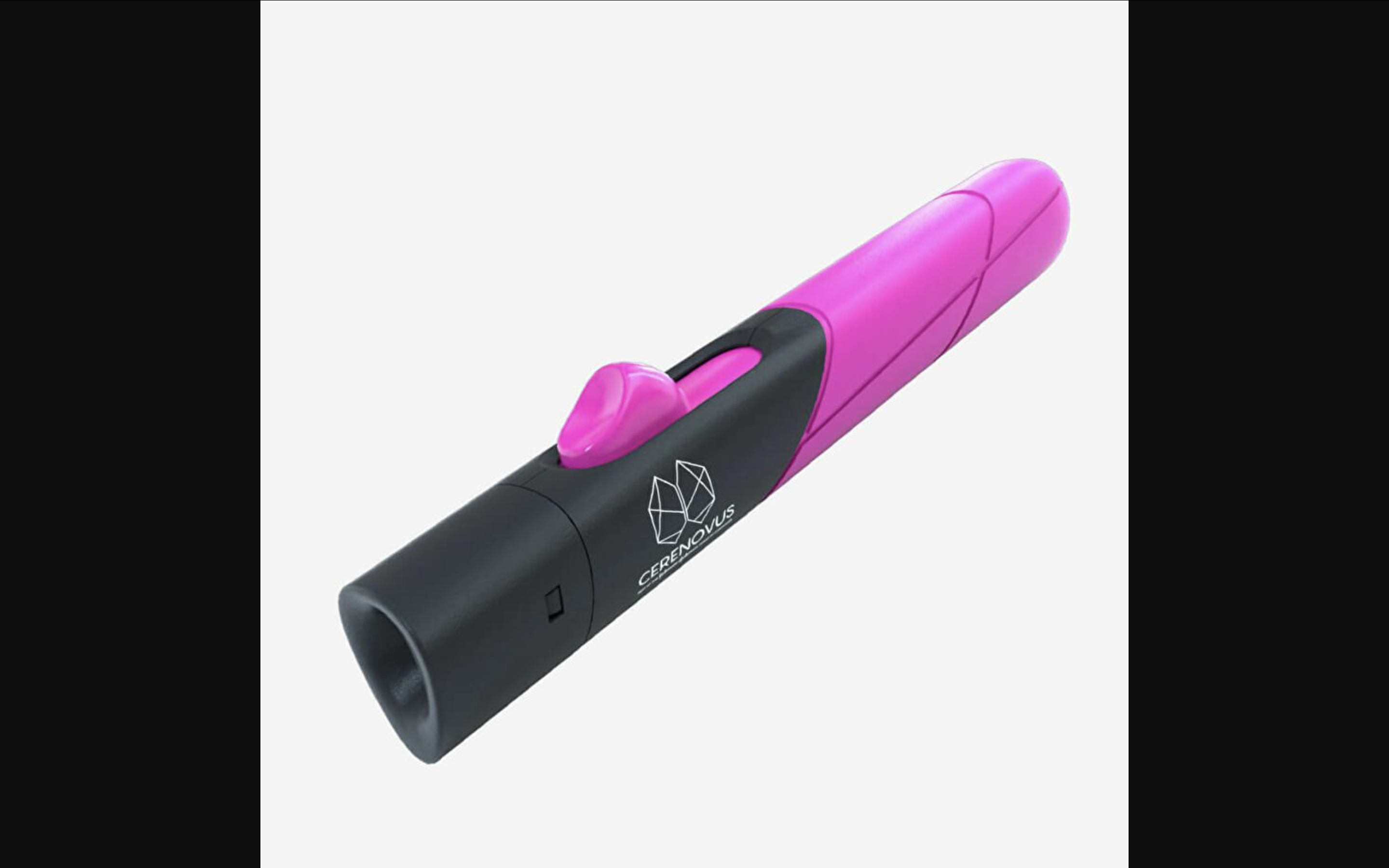
Cerepak Detacher Handle. Image courtesy of Johnson & Johnson MedTech.
What customers need to know
Johnson & Johnson MedTech is removing these devices from the market due to the higher-than-expected failure to detach rate. Customers should no longer use them to treat any patients.
The affected devices should be separated from all other inventory so that they can be returned.
If a patient has already been treated with one of these devices, meanwhile, no actions need to be taken.
Read the full warning here.
A statement from Johnson & Johnson MedTech
Johnson & Johnson MedTech shared the following statement about this recall with Cardiovascular Business:
"At Johnson & Johnson MedTech, patient safety is a core priority, which is why we initiated a voluntary recall of Cerepak Detachable Coil Systems in October following an internal evaluation indicating that the rate of failure to detach may be higher than anticipated. We are engaging with the FDA and providing alternative solutions to our customers."
Johnson & Johnson’s history with Cerenovus
Johnson & Johnson first launched Cerenovus in 2017 after the company combined its acquisitions of Pulsar Vascular and Neuravi into a single entity focused on therapies for stroke and other vascular conditions. In 2024, it was announced that Cerenovus and several other brands would be known as Johnson & Johnson MedTech going forward.
“By bringing our medtech businesses together under the Johnson & Johnson name, the scale of our impact in healthcare will be even more apparent, unlocking new opportunities for us to strengthen our competitiveness,” Tim Schmid, Johnson & Johnson executive vice president and worldwide chairman of medtech, said at the time.
In 2025, anonymous sources told a Financial Times reporter that Johnson & Johnson was looking to sell Cerenovus. The asking price was reportedly more than $1 billion. In the year since that news was first reported, there have been no further updates.

Michael has more than 19 years of experience as a professional writer and editor. He has written at length about cardiology, radiology, artificial intelligence and other key healthcare topics.