
FDA confirms Class I recall for vascular device used by cardiologists and surgeons
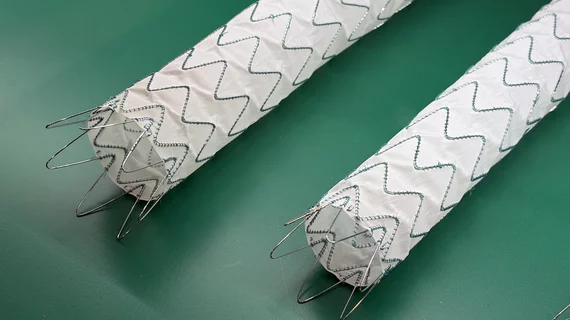
The U.S. Food and Drug Administration (FDA) has classified an ongoing safety issue with certain thoracic stent grafts as a Class I recall. This means using the devices are linked to an increased risk of “serious adverse health consequences or death.”
At this time, however, no devices need to be returned to the manufacturer.
Additional context about this recall
In April, the FDA warned that there was a potential issue with all Relay Pro Thoracic Stent Grafts from Terumo Aortic. There were multiple reports of the stent being unable to unclasp from the delivery system during use, the agency explained, and the problem was linked to three patient deaths. The FDA was still investigating the issue at the time of that warning; now, it has been confirmed that this is a Class I recall.
What customers need to know
This early alert specifically covers the non-bare stent configuration, sizes 32 mm and above, of the Relay Pro Thoracic Stent Graft System, N4. These devices are used by interventional cardiologists and vascular surgeons to repair damaged or weakened sections of a patient’s thoracic aorta. Bolton Medical is the original manufacturer, though that company is now a part of Terumo Aortic.
Customers have been told to consider alternative treatment options “until the root cause evaluation is completed and effective mitigation measures are in place.” Until then, if these Relay Pro Thoracic Stent Grafts are used and the issue in question does occur, clinicians should attempt the bailout techniques listed in the instructions for use. If these techniques are not effective, the user may need to convert the operation to an open surgery.

Michael has more than 19 years of experience as a professional writer and editor. He has written at length about cardiology, radiology, artificial intelligence and other key healthcare topics.