
FDA warns that certain sizing catheters should not be used due to risk of breaking
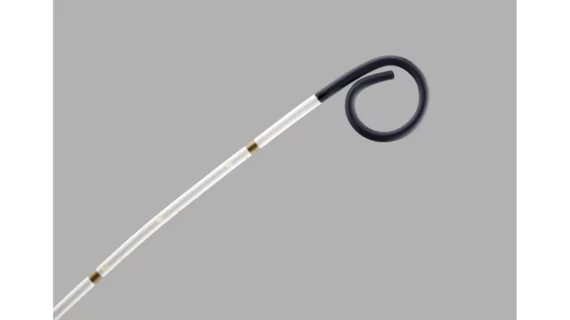
The U.S. Food and Drug Administration (FDA) is warning the public that certain sizing catheters from Indiana-based Cook Medical should no longer be used due to an increased risk of cracking or breaking.
The agency’s warning covers specific lots of Cook Medical’s Centimeter Sizing Catheters, Aurous Centimeter Sizing Catheters and Beacon Tip Centimeter Sizing Catheters. These devices are used for a variety of angiographic procedures, aortic interventions, peripheral interventions and vascular interventions. They are made in a variety of sizes and multiple configurations.
“Potential adverse events that could result include increased procedural time, harms associated with device fragmentation/separation and vessel injury,” according to the FDA. “In a worst-case scenario, device fragmentation and separation could cause life-threatening harm or death.”
At this time, the FDA noted, no serious injuries or deaths have been linked to this issue. The agency is still reviewing the situation.
The FDA’s early alert can be read in full here. It also includes a full list of all affected product lots.
What should customers do?
Cook Medical has contacted all affected customers and told them not to use or sell any of these devices. Instead, they should be returned to the company.
“Share this notice with appropriate personnel within your organization or with any organization where the affected devices have been transferred,” according to the FDA.
More information to come
This early alert from the FDA is intended to help keep the public informed about potential safety issues while they are still under investigation. Read more about that program here.
Cardiovascular Business will provide an update when the FDA has finalized any recalls.

Michael has more than 19 years of experience as a professional writer and editor. He has written at length about cardiology, radiology, artificial intelligence and other key healthcare topics.