
New meta-analysis explores potential of endovascular treatments for long femoropopliteal lesions
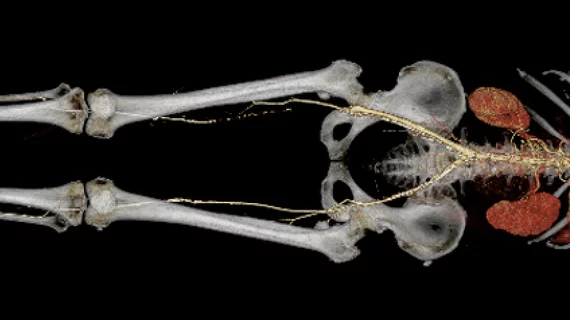
Open surgical bypass is the gold standard for the revascularization of long femoropopliteal peripheral artery disease (PAD) lesions. A new meta-analysis of numerous endovascular long-lesion revascularization studies sheds new light on the effectiveness of less invasive treatment options.[1]
The meta-analysis of 28 studies included data on 2,338 limbs of 2,311 patients and broke the outcomes down by pooled cumulative event rates for primary patency, secondary patency, mortality, limb salvage, and freedom from target lesion revascularization at 6, 12, 24, and 36 months.
The 12-month outcomes by treatment modality had mixed results, but the authors said advanced device technologies such as covered and drug-eluting stents were generally associated with improved outcomes. Increased operator experience and better endovascular devices led to secondary patency and limb salvage improvements after 2018 compared to earlier studies.
"Technological advancements in endovascular revascularization techniques, such as drug-coated balloons and drug-eluting stents, have encouraged clinicians to consider endovascular therapy in many patients with long lesions," wrote lead author Sameh Sayfo, MD, interventional cardiologist and program director of the peripheral endovascular fellowship at Baylor Scott and White Heart Hospital – Plano, and colleagues. "There is a growing body of clinical evidence in support of endovascular revascularization in patients with long lesions, which may help to inform decision making about endovascular versus surgical treatment."
The study authors point out that multisocietal clinical practice guidelines have highlighted the potential use of endovascular revascularization in specific patients, especially those deemed as high-risk surgical candidates. This analysis offers additional outcomes data on those endovascular techniques.
The pooled cumulative event rates for primary patency were 0.85, 0.67, 0.48 and 0.42, at 6, 12, 24 and 36 months, respectively. Secondary patency rates were 0.90, 0.84, 0.72 and 0.63 at 6, 12, 24 and 36 months, respectively. Meanwhile, rate of freedrom from target lesion revascularization were 0.93, 0.79, 0.68 and 0.63 at 6, 12, 24, and 36 months, respectively. The figures in the study break down data further by the types of devices used and other procedural and patient characteristics.
The authors said these findings could help guide future studies comparing endovascular versus surgical treatment in different types of patients with various lesion characteristics.

Dave Fornell has covered healthcare for more than 17 years, with a focus in cardiology and radiology. Fornell is a 5-time winner of a Jesse H. Neal Award, the most prestigious editorial honors in the field of specialized journalism. The wins included best technical content, best use of social media and best COVID-19 coverage. Fornell was also a three-time Neal finalist for best range of work by a single author. He produces more than 100 editorial videos each year, most of them interviews with key opinion leaders in medicine. He also writes technical articles, covers key trends, conducts video hospital site visits, and is very involved with social media. E-mail: [email protected]