
SCAI celebrates new federal funding for PAD prevention
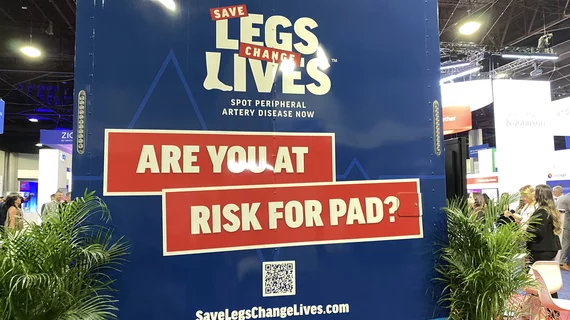
The Society for Cardiovascular Angiography and Interventions (SCAI) is applauding key directives in the Consolidated Appropriations Act, 2026 (HR 7148) to advance key peripheral artery disease (PAD) programs.
The appropriations act to fund the government through Sept. 30, 2026, was signed into law Feb. 3. It directs the Centers for Medicare and Medicaid Services (CMS), the Centers for Disease Control and Prevention (CDC), and the Health Resources and Services Administration (HRSA) to take specific actions related to PAD. Most of this is aimed at curbing the expansion of the disease, especially preventable chronic limb-threatening ischemia (CLTI), the advanced stage of PAD.
"These provisions represent an important step forward in elevating PAD as a national public health priority and strengthening federal efforts to improve diagnosis, treatment and long-term outcomes for patients," SCAI said in a statement.
The legislation calls for CMS to promote amputation prevention services at hospitals, ambulatory surgical centers and office-based centers. These efforts should focus on patient risk modification and management, early screening, detection, surveillance, testing and improving care coordination for individuals facing an elevated risk of amputation.
The director of CDC is encouraged to collaborate with HRSA, CMS and leading clinical and patient advocacy organizations to establish a PAD education program. The aim is to curb the rising number of PAD cases each year. The House version of the bill stated that between 1995- and2020, PAD prevalence in the United States increased from 11.3 million to 21 million cases. Based on the aging population, that number is expected to rise to 23.8 million by 2030 unless there are serious prevention efforts instituted.
SCAI also pointed to the financial side of PAD treatments. Dara from 2015 show that CLTI translated into $11.3 billion spent on major amputations in addition $18.6 billion spent on minor amputations. Overall costs of PAD to the U.S. healthcare system are estimated to be between $233-414 billion. This will rise as this patient population continues to increase.
Between 52%-80% of patients who undergo a major amputation will die within five years of the procedure, according to SCAI. CLTI also is a key area of cardiovascular disease health disparities. It disproportionately impacts Black patients, who are three times more likely to receive an amputation due to PAD than non-Black Medicare recipients. However, it also greatly impacts Hispanic and Native American patients at a much higher rate than white patients.
The SCAI-led PAD Working Group, a coalition of cardiovascular societies and stakeholder organizations, is continuing efforts to ensure future appropriations continue to prioritize PAD. This coalition also is working with federal agencies to expand education and early-detection initiatives aimed at reducing preventable amputations and improving patient outcomes.

Dave Fornell has covered healthcare for more than 17 years, with a focus in cardiology and radiology. Fornell is a 5-time winner of a Jesse H. Neal Award, the most prestigious editorial honors in the field of specialized journalism. The wins included best technical content, best use of social media and best COVID-19 coverage. Fornell was also a three-time Neal finalist for best range of work by a single author. He produces more than 100 editorial videos each year, most of them interviews with key opinion leaders in medicine. He also writes technical articles, covers key trends, conducts video hospital site visits, and is very involved with social media. E-mail: [email protected]