
Wearable tech company pushes back after warning from FDA
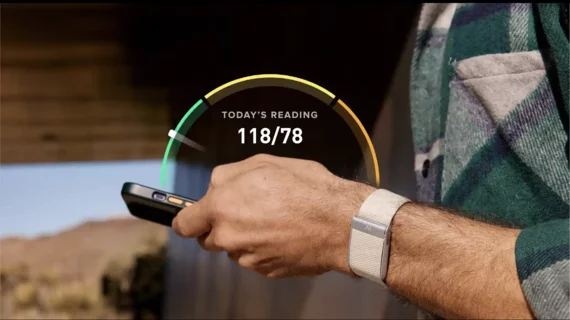
Whoop, a Boston-based wearable technologies company, has replied after receiving a warning letter from the U.S. Food and Drug Administration (FDA) about the marketing of its 24/7 fitness tracker devices.
According to the FDA, Whoop has failed to secure the proper regulatory approvals for Blood Pressure Insights (BPI), a feature of its trackers that provides daily blood pressure estimates based on the user’s heart rate, sleep patterns and other factors. The FDA sees Whoop’s fitness trackers as medical devices and believes they should be treated as such by regulatory agencies.
Whoop, however, argues that these trackers are not medical devices.
From the FDA’s perspective, as the agency explained in its July 14 letter to Whoop CEO Will Ahmed, anything providing blood pressure data should be evaluated and regulated as a medical device.
“A software function is not a device if it is intended for maintaining or encouraging a healthy lifestyle and is unrelated to the diagnosis, cure, mitigation, prevention or treatment of a disease or condition,” the FDA said in its warning letter. “BPI is not intended to ‘maintain’ or ‘encourage’ a healthy lifestyle, as it implies a causal link between a user's blood pressure measurement and wellness results. For example, BPI and its labeling would indicate to a user that her poor sleep may be caused by high blood pressure identified by the device. Further … BPI is not unrelated to the diagnosis, cure, mitigation, prevention or treatment of a disease or condition, because it is inherently associated with the diagnosis of hypo- and hypertension, and because your firm's statements indicate that BPI is intended to identify ‘higher blood pressure.’’’
Whoop has now shared a new reply to the FDA, saying it stands behind the way it has marketed BPI and once again stating that its trackers should not be treated like medical devices.
“We respectfully disagree,” the company said. “BPI is a wellness feature, not a medical device. It’s designed to help you understand how your body responds to daily life, not to diagnose or treat any condition. Wellness features like this are common in wearable technology, like tracking your respiratory rate or heart rate variability, and provide valuable insights to support better decisions about your performance without requiring FDA clearance.”
Whoop goes on to detail how BPI works, highlighting the fact that these estimates can help influence the user to “make smarter decisions.”
“We’ve always supported responsible regulation, and we were proud to receive FDA clearance for our ECG feature,” the company added. “But we also believe it's critical to protect access to wellness innovation, especially when wellness tools and features help people make smarter, more informed decisions to reach their full potential.”
What happens next? That much remains unclear. The FDA did warn in its letter that “other federal agencies” are monitoring Whoop’s actions and may take them into account “when considering the award of federal contracts.”

Michael has more than 19 years of experience as a professional writer and editor. He has written at length about cardiology, radiology, artificial intelligence and other key healthcare topics.