This channel includes news on cardiovascular care delivery, including how patients are diagnosed and treated, cardiac care guidelines, policies or legislation impacting patient care, device recalls that may impact patient care, and cardiology practice management.
A recent OIG report suggested vascular surgeons, interventional cardiologists and interventional radiologists may be performing medically unnecessary procedures in office-based labs. Now, some of the leading medical societies from those fields have provided additional context.
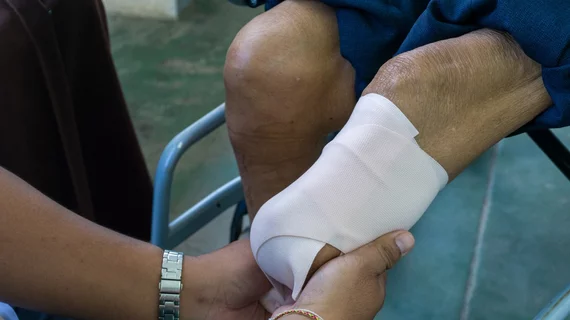
The ankle-brachial index, a noninvasive diagnostic test for peripheral artery disease, may provide even more value than clinicians previously realized.
Second-generation TAVR valves from Medtronic, Edwards Lifesciences and Boston Scientific are all associated with similar seven-year outcomes, according to a new retrospective study out of Italy.
Cardiologist Aakriti Gupta, MD, MSc, spoke to Cardiovascular Business about the latest data and trends associated with using cerebral embolic protection devices during TAVR to lower the risk of stroke.
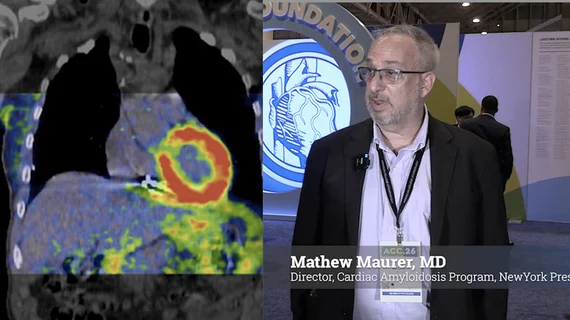
These findings show that opportunistic imaging could go a long way toward making more patients aware of the cardiovascular risks they face—all without requiring additional scans to be performed.
No devices need to be returned at this time. However, the FDA warned, using these heart pumps without reviewing the updated instructions could result in "serious injury or death.”
A trio of leading voices in cardiology reviewed years of data while considering their proposal. The choice between TAVR and SAVR, they added, should be made on a case-by-case basis.
Benzodiazepines are administered before a majority of cardiac surgeries to lower the risk of intraoperative awareness. At the same time, however, recent studies have suggested they increase the risk of postoperative delirium.
More than 100 incidents have been reported so far. The FDA is still evaluating this issue, but the agency wanted to raise awareness as quickly as possible.