
The universal screening of children for familial hypercholesterolemia can save lives
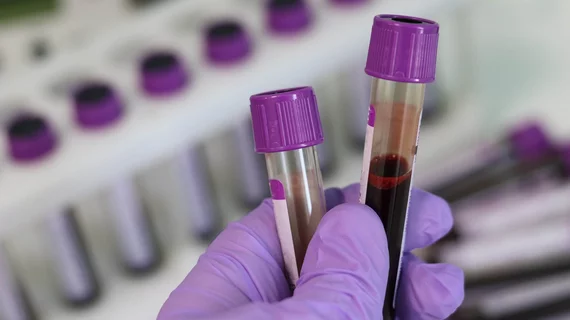
A multidisciplinary panel has shared new recommendations designed to help clinicians screen more children for familial hypercholesterolemia (FH). The group shared its assessment, "Accelerating Guideline-Recommended Universal Pediatric Lipid Screening: Launch of the LEAD Pediatric Initiative," in the Journal of Pediatrics.[1]
FH is a life-threatening genetic condition that causes high cholesterol from birth. If it is not detected and treated early, it and can lead to premature heart attacks and heart disease in young patients.
Authors of the new document shared strategies that could lead to improved universal guideline-recommended screening implementation. National guidelines were actually established in 2011 by the National Heart, Lung and Blood Institute (NHLBI) and the American Academy of Pediatrics (AAP), but the prevalence of pediatric universal lipid screening remains low.
“Every child in America between the ages of 9 and 11 years of age should get a simple blood test to screen their LDL cholesterol for a serious genetic condition called FH,” Katherine Wilemon, founder and chief executive officer of the Family Heart Foundation, said in a statement. “Many times, families do not understand that the cardiovascular disease that runs through their family for generations can be managed with early diagnosis. The publication in the Journal of Pediatrics lays out concrete actions that can be taken, and on which we have formed partnerships to support families and improve care for children."
The Family Heart Foundation is a major advocate for expanded screening. The group established the Leveraging Evidence and Data (LEAD) for Pediatric Cholesterol Screening Initiative in 2024 to address current challenges that serve as friction points in providing life-saving screening.[2] The group also engaged national experts and gathered feedback from the FH population in the U.S. to identify barriers and develop evidence-based recommendations to improve universal lipid screening outcomes.
Only 11% of U.S. children between the ages of 9 and 21 have documented lipid screening, and 30-60% of children with dyslipidemia may be missed by targeted screening alone compared to universal lipid screening, according to data published in the Journal of the American Medical Association and Pediatrics.[2]
“Many clinicians do not understand the reason for pediatric lipid screening guidelines that were primarily developed to identify FH, a genetic condition designated by the World Health Organization in 1998 as a public health concern,” Laurence S. Sperling, MD, chief medical officer of the Family Heart Foundation, said in a statement. He is also the Katz professor in Preventive Cardiology at Emory University School of Medicine, and professor of Global Health at Rollins School of Public Health. “Early and aggressive cardiovascular disease can be prevented with an FH diagnosis in a child, leading to immediate and appropriate treatment."
Sperling said the goal of LEAD is to significantly impact missed opportunities to save hundreds of thousands of young lives and prevent early onset cardiovascular disease.

Dave Fornell has covered healthcare for more than 17 years, with a focus in cardiology and radiology. Fornell is a 5-time winner of a Jesse H. Neal Award, the most prestigious editorial honors in the field of specialized journalism. The wins included best technical content, best use of social media and best COVID-19 coverage. Fornell was also a three-time Neal finalist for best range of work by a single author. He produces more than 100 editorial videos each year, most of them interviews with key opinion leaders in medicine. He also writes technical articles, covers key trends, conducts video hospital site visits, and is very involved with social media. E-mail: [email protected]