CVB homepage

Kestra Medical Technologies

Kestra Medical Technologies, known for its wearable heart monitors and defibrillators, intends to sell 10 million common shares priced somewhere between $14 and $16 per share. 

Charalambos Antoniades, MD, the British Heart Foundation Chair of Cardiovascular Medicine at the University of Oxford, is a co-founder of the company Caristo, which has developed technology to image coronary inflammation on coronary computed tomography angiography (CCTA) scans to visualize a key factor of residual cardiovascular risk.

New technology now being considered by the FDA for approval can capture coronary inflammation on CCTA images and provide risk assessments. What could this mean for the future of cardiac care? We spoke to one researcher to learn more.

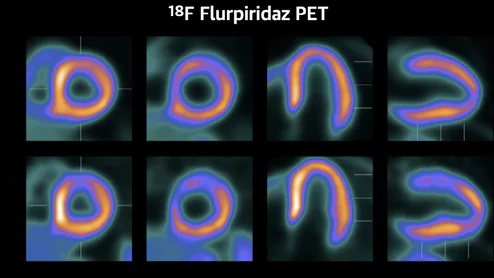
The new cardiac PET radiotracer flurpiridaz F-18 is posed to be a major game changer and will likely lead to increased adoption of cardiac PET.

Back in September, the FDA approved GE HealthCare’s new PET radiotracer, flurpiridaz F-18, for patients with known or suspected CAD. It is seen by many in the industry as a major step forward in patient care. 

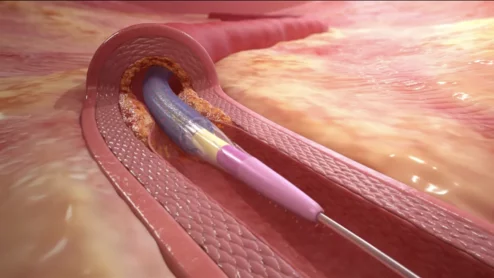
Prevail DCB Medtronic. Medtronic’s Prevail drug-coated balloon (DCB) has received CE mark approval for several new indications related to the treatment of coronary artery disease (CAD). The paclitaxel-coated device, designed to inflate within the patient’s artery during percutaneous coronary intervention (PCI) procedures, is now approved across the EU to treat CAD patients with multivessel disease, acute coronary syndrome and diabetes.

The paclitaxel-coated device, already approved in Europe and other parts of the world, will be tested on more than 1,200 patients for a new international trial. If the study is a success, Medtronic hopes to gain regulatory approval in the United States and Japan. 

Newsweek ranked the 50 best heart hospitals in the world

Transfemoral TAVR is not always a viable option. In those instances, the two most effective alternatives are transcarotid access and transcaval access, according to a new SCAI expert consensus statement.

How safe is it to perform cardiac surgery on a pregnant patient? When should care teams try to deliver the baby first and then complete the procedure? A team of Mayo Clinic researchers addressed those very questions, and many others, in a new analysis. 

Innovation at work

Follow-up care after a successful heart transplant can be challenging—both for providers and their patients. Consider, for example, the fact that so many patients who develop complications never actually present with symptoms.  

In cooperation with CareDx