
First US patient enrolled in device study to reduce coronary microvascular dysfunction
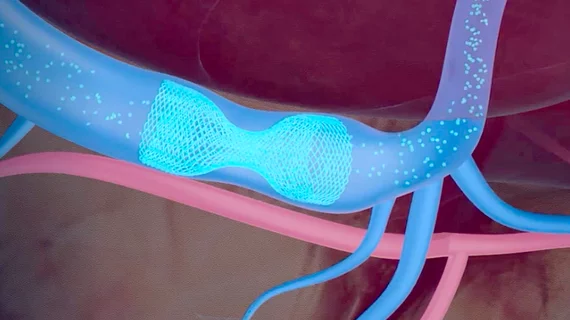
The first U.S. patient was enrolled in the SERRA-I early feasibility study for the A-Flux Reducer System to treat coronary microvascular dysfunction (CMD).
VahatiCor Inc. said the patient was enrolled at Yale-New Haven Hospital, with Samit Shah, MD, PhD, an interventional cardiologist with Yale New Haven Hospital Heart and Vascular Center and assistant professor of medicine at Yale School of Medicine, who is co-principal investigator of SERRA-I.
"Patients with CMD are highly symptomatic and underserved by current therapies, with no approved option in the United States that directly targets microvascular disease. Enrolling our first U.S. patient is an important step in generating the evidence these patients need," Shah explained in a statement.
CMD impacts millions of patients with persistent angina, but these patients do not have any clear blockages in the large coronary arteries. Instead, the cause of the ischemia symptoms are due to restricted blood flow in much smaller vessels that are not seen on angiography or CT scans.
The A-Flux is designed to treat this using a catheter delivered, self-expanding nitinol device in the coronary sinus. The hourglass design causes a restriction that increases pressure on the venous side of the heart. The company said this increased pressure improves perfusion through the smaller vessels in the heart and increases coronary flow reserve.
SERRA-I study is evaluating the the device in patients with symptomatic CMD. The study is part of the broader SERRA clinical program with participating centers across the U.S. and European Union.

Dave Fornell has covered healthcare for more than 17 years, with a focus in cardiology and radiology. Fornell is a 5-time winner of a Jesse H. Neal Award, the most prestigious editorial honors in the field of specialized journalism. The wins included best technical content, best use of social media and best COVID-19 coverage. Fornell was also a three-time Neal finalist for best range of work by a single author. He produces more than 100 editorial videos each year, most of them interviews with key opinion leaders in medicine. He also writes technical articles, covers key trends, conducts video hospital site visits, and is very involved with social media. E-mail: [email protected]