Listen in to an expert-led discussion of the ALERT Trial and the impact of electronic clinician notifications (ECNs) on the timely treatment of patients with valvular heart disease. While it is estimated that half of patients with symptomatic severe aortic stenosis do not receive timely interventions, the ALERT Trial quantified the impact of clinician alerts in addressing this care gap.
As precision cardiology continues to evolve, the integration of advanced coronary computed tomography angiography (CCTA) and AI-driven analysis is fundamentally changing how we assess and manage coronary artery disease (CAD). Here is a closer look at how Heartflow Plaque Staging is leveraging Total Plaque Volume (TPV) to stratify patient risk.
As CCTA and AI-enabled coronary plaque analysis move from “nice to have” to reimbursed standard of care, many programs risk leaving both clinical impact and revenue on the table if they don’t adapt their workflows now.
AI in healthcare is rapidly evolving. But enabling meaningful transformation doesn't come from disconnected tools or shiny features. It requires AI that is: Practical and workflow-integrated; secure, ethical, and compliant; specialty focused and aware; and built to enhance—not replace—human expertise.
As healthcare systems accelerate strategies across the enterprise to unite data, images and workflow, cardiology faces unique challenges. Join us for an in-depth discussion on improving and standardizing workflow, enhancing cardiologist and IT team efficiency, and reducing costs through optimizing IT infrastructure, cloud and AI.
Pulmonary embolism (PE) treatment has evolved over time, yet it remains the third leading cause of cardiovascular death across the United States. TriStar Health, a comprehensive health system serving Tennessee and Kentucky and part of HCA Healthcare, is now using an AI platform to support clinicians in providing more effective care for PE patients.
The standard of care for diagnosing coronary artery disease (CAD) has changed. CCTA paired with AI-powered Plaque Analysis has emerged as a tool of choice to identify, risk stratify and stage CAD, and notably, manage and treat patients in a far more informed way. Join us to hear from three key opinion leaders as they present data and new case studies demonstrating how Plaque Analysis can help with diagnosis and management of patients with suspected CAD. One physician even shares how he has benefitted from CCTA + Plaque Analysis. It’s a great story.
Listen in as a general cardiologist, surgeon, and interventionalist delve into the latest evidence—including the Evolut™ TAVR 5-Year Low Risk data and SMART Trial 2-Year update—to guide appropriate treatment decisions for patients with severe symptomatic aortic stenosis.
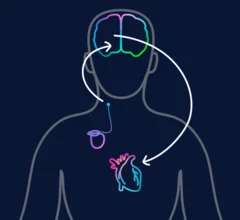
Duke University Health System has integrated Barostim into its comprehensive heart failure program. For patients with heart failure with reduced ejection fraction (HFrEF), Barostim is a device therapy that works with drug therapies to target the neurohormonal pathways responsible for heart failure progression and symptoms. Listen in as an advanced heart failure specialist discusses patient selection and post-implant management, the implant procedure, patient care pathways, and how Duke has incorporated Barostim into their system.
The late-breaking five-year results of the Evolut Low-Risk Trial presented at ACC.25 showed positive results for the Evolut TAVR system when compared to SAVR.
Diagnosing female patients with coronary artery disease (CAD) has many challenges. Join us to hear from three key opinion leaders as they present data and new case studies demonstrating these difficulties, and the guidelines and pathways that help with diagnosis and management of women with suspected CAD.
Most advancements in electrophysiology technology are small and incremental, but the experts at Texas Cardiac Arrhythmia Institute in Austin, TX, were quick to see distinct advantages when they started using the latest iteration of radio frequency ablation, the QDOT MICRO™ Catheter.
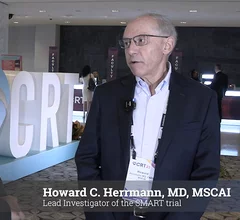
Howard Herrmann, MD, MSCAI, Hospital of the University of Pennsylvania, and lead invesigator for the SMART trial, explains details on the 2-year data comparing the Evolut vs. Sapien 3 for TAVR in small annulus patients.