• Clinical
      |Clinical
    • Acute Coronary Syndromes
    • Cardiac Surgery
    • Covid-19
    • Heart Failure
    • Heart Health
    • Heart Rhythm
    • Hypertension
    • Interventional Cardiology
    • Mitral Valve
    • Pharmaceutics
    • Structural Heart Disease
    • TAVR
    • Tricuspid Valve
    • Vascular & Endovascular
  • Management
      |Management
    • Chest Pain Guidelines
    • Compensation
    • Economics
    • Education & Training
    • Legal News
    • Patient Care
    • Policy & Regulations
    • Professional Associations
    • Quality
    • Revenue
    • Staffing
  • Technology
      |Technology
    • AI
    • Cardiac Imaging
    • Cath Lab
    • CT
    • CVIS
    • ECG
    • Echo
    • EP Lab
    • Informatics
    • MRI
    • Nuclear Cardiology
    • Remote Monitoring
  • Videos
  • Conferences
      |Conferences
    • ACC
    • AHA
    • ASE
    • ASNC
    • ESC
    • EuroPCR
    • HFSA
    • HRS
    • HRS
    • SCAI
    • SCCT
    • SIIM
    • SNMMI
    • STS
    • TCT
    • VIVA
  • Custom Content
      |Custom Content
    • Experience Stories
    • Webinars & Videos
  • Subscribe
  • Forty Under 40 Award
      |Forty Under 40 Award
    • Class of 2026
    • Class of 2025

Search form

Home

AI-enhanced echocardiography improves early detection of cardiac amyloidosis

Ultromics EchoGo Amyloidosis artificial intelligence. A first of its kind AI model developed by Mayo Clinic and Ultromics Ltd., was found to be highly accurate in screening for cardiac amyloidosis in a large 2,612 patient clinical trial. The findings were published in the European Heart Journal.[1] Mayo Clinic, investigators at the University of Chicago Medicine and collaborators around the world at other sites, validated and tested the model on a large and multi-ethnic population.

The first FDA-cleared AI model of its kind was found to be an accurate screening tool for cardiac amyloidosis.

  • Read more about AI-enhanced echocardiography improves early detection of cardiac amyloidosis

FDA approves Bayer's finerenone to treat wide range of heart failure patients

Bayer finerenone Kerendia heart failure MOONRAKER

Finerenone, sold by Bayer under the brand name Kerendia, is now approved in the United States for the treatment of HFmrEF and HFpEF. The drug has already been used for years to treat patients with chronic kidney disease and type 2 diabetes.

  • Read more about FDA approves Bayer's finerenone to treat wide range of heart failure patients

FDA details multiple Class I recalls for Edwards Lifesciences surgical devices

Product Recall

Edwards Lifesciences has recalled more than 61,000 medical devices due to the risk of a small piece of wire becoming exposed. No patient injuries have been reported at this time.

  • Read more about FDA details multiple Class I recalls for Edwards Lifesciences surgical devices

CMS proposes Medicare coverage for renal denervation

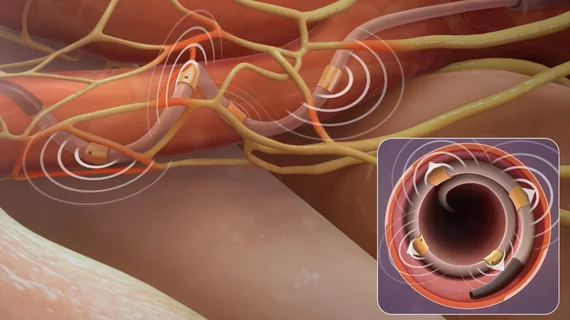
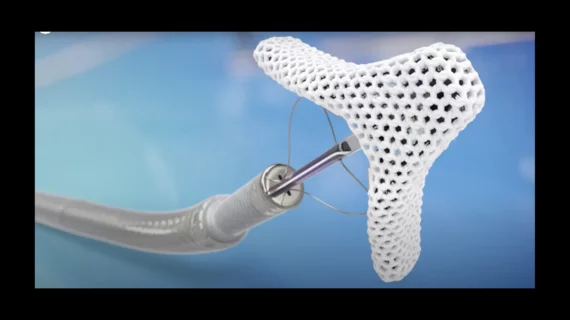
The Medtronic Symplicity Spyral Renal Denervation system uses a catheter that curls in the renal artery to place radiofrequency electrodes against the vessel wall to ablate the nerves that control vasodilation, so the artery can be propped in the fully open position.

The Symplicity Spyral RDN system. Graphic courtesy of Medtronic.

This proposal, if finalized, would dramatically increase patient access to renal denervation. Both Recor Medical and Medtronic have shared their excitement over the news.

  • Read more about CMS proposes Medicare coverage for renal denervation

AI-enabled coronary plaque evaluations included in new RBM guidelines

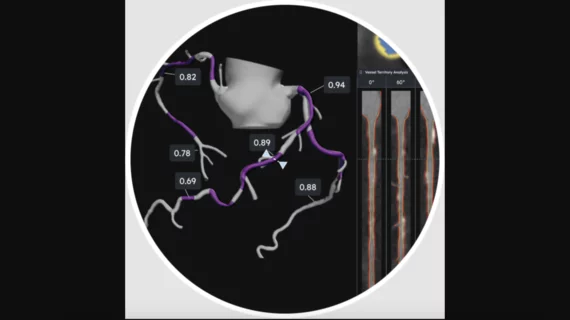
HeartFlow Plaque Analysis Example

Plaque Analysis image courtesy of Heartflow.

The use of advanced AI software to assess CCTA images continues to gain more momentum.

  • Read more about AI-enabled coronary plaque evaluations included in new RBM guidelines

ASE shares new recommendations for evaluating LV diastolic function, HFpEF

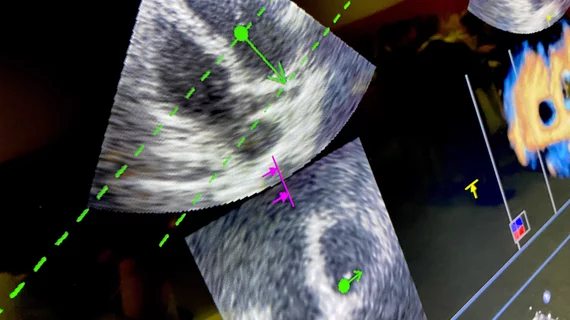
Agfa automated echo measurements on echo report CVIS at ASE 2023. An updated guideline from the American Society of Echocardiography (ASE) offers new echocardiographic parameters and recommendations for clinicians evaluating patients for possible heart failure. "The Recommendations for the Evaluation of Left Ventricular Diastolic Function by Echocardiography and for Heart Failure With Preserved Ejection Fraction (HFpEF) Diagnosis) was published in the July 2025 issue of the Journal of the ASE.

The new guidelines detail the use of echocardiography to evaluate patients for a variety of conditions.

  • Read more about ASE shares new recommendations for evaluating LV diastolic function, HFpEF

Myval TAVR valve associated with positive durability data after 4 years

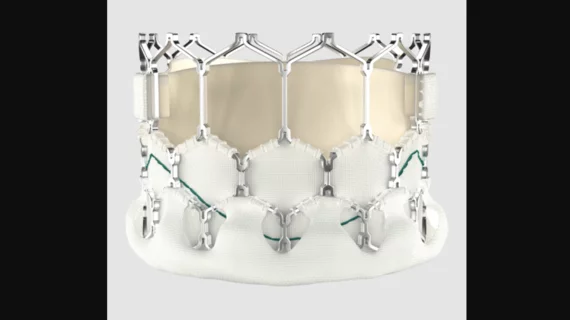
The balloon-expandable Myval transcatheter aortic valve replacement (TAVR) valve is associated with positive real-world data after four years.

Researchers have been spending more and more time evaluating the Myval TAVR valve from Indian medtech company Meril Life Sciences. The balloon-expandable device is available in some parts of the world, but not the United States.

  • Read more about Myval TAVR valve associated with positive durability data after 4 years

Medicare now covers TriClip procedures for patients with symptomatic tricuspid regurgitation

An FDA panel will discuss its recommendations related to Abbott's TriClip G4 transcatheter edge-to-edge repair (TEER) system for tricuspid regurgitation.

TriClip image courtesy of Abbott. 

CMS has finalized a new national coverage determination for T-TEER, sometimes known as transcatheter tricuspid valve repair. Abbott's TriClip is the only device approved by the FDA for T-TEER, but other treatment options are under development.

  • Read more about Medicare now covers TriClip procedures for patients with symptomatic tricuspid regurgitation

Cardiology still No. 2 in FDA-cleared clinical AI algorithms, trailing only radiology

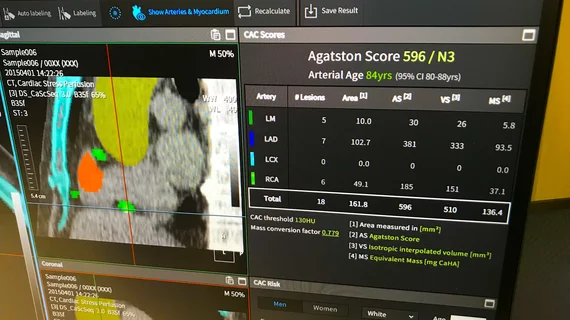
An example of artificial intelligence automated coronary artery calcium scoring shown by Coreline at ACC23. The AI also identifies and color codes the anatomy so help show the reviewing radiologist or cardiac imager what and where things were calculated. #ACC #ACC23

CoreLine's FDA-cleared automated coronary artery calcium scoring algorithm in action. Photo by Dave Fornell

Cardiology continues to be one of the most influential healthcare specialties when it comes to utilizing artificial intelligence. 

  • Read more about Cardiology still No. 2 in FDA-cleared clinical AI algorithms, trailing only radiology

World’s first patient receives new-look heart pump—cardiologist ‘impressed’ by device’s performance

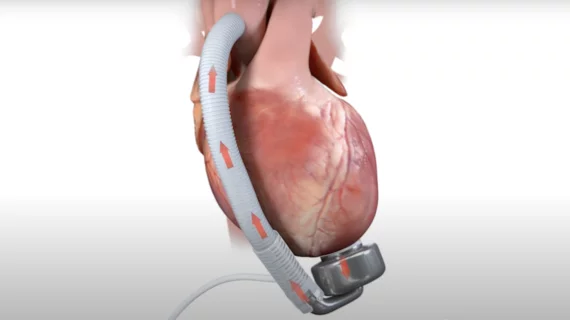
CorWave LVAD

Image courtesy of CorWave.

The CorWave technology is unlike other left ventricular assist devices, working in harmony with the patient's heartbeat and making adjustments as needed. 

  • Read more about World’s first patient receives new-look heart pump—cardiologist ‘impressed’ by device’s performance

Pagination

    • First page « First
    • Previous page ‹ Previous
    • Page …120
    • Page 121
    • Page 122
    • Page 123
    • Current page 124
    • Page 125
    • Page 126
    • Page 127
    • Page 128 …
    • Next page Next ›
    • Last page Last »
Subscribe
  • Home
  • News
  • Article Archive
  • Custom Content
  • Webinars
  • Press Releases
  • Content Studio
  • Advertising
  • Submit Press Release
  • Contact Us
  • Terms of Use
  • Privacy Policy
  • Cardiovascular Business
  • HealthExec
  • Radiology Business
 
© 2026 Innovate Healthcare | All Rights Reserved. | Terms of Use | Privacy Policy
 
Design by Adaptive Theme