Catecholaminergic polymorphic ventricular tachycardia is a rare, potentially fatal heart rhythm disorder. A new gene therapy candidate from Solid Biosciences is now one step closer to FDA approval.
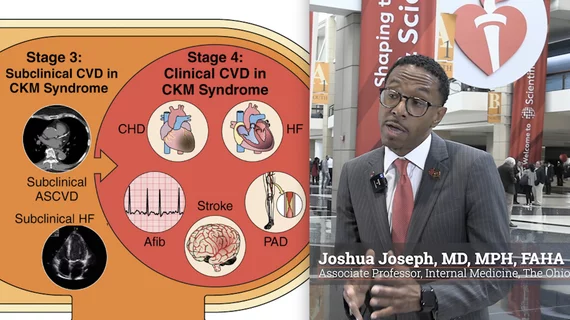
Cardiovascular-kidney-metabolic (CKM) syndrome is a popular research topic among cardiologists, highlighting just how closely obesity, type 2 diabetes, chronic kidney disease and cardiovascular disease are related to one another. Joshua Joseph, MD, spoke to Cardiovascular Business about this ongoing trend.
Intravascular lithotripsy in action. Image courtesy of Shockwave Medical, a part of Johnson & Johnson MedTech.
Shockwave Medical, now a part of Johnson & Johnson MedTech, has consistently been found safe for patients. However, many previous clinical trials excluded high-risk patients, making it important to track real-world outcomes as time goes on.
In fact, more than 55% of all PCI cases in 2022 were performed using radial access. Cardiologists are sure to be keeping a close eye on this trend as time goes on.
Joseph Turek, MD, PhD, chief of pediatric cardiac surgery at Duke Health. Image courtesy of Duke Health.
“This innovation was born out of necessity,” one surgeon explained. “We were determined to find a way to help the smallest and sickest children who previously had no access to DCD heart donation.”
The tricuspid valve has been at the center of several key policy shifts in recent years. In fact, Medicare now covers both T-TEER and TTVR when performed with FDA-approved devices. We spoke to interventional cardiologist Jason H. Rogers, MD, to learn more about how this momentum has impacted patient care.
Targeting high-risk patients with single-pill combination therapies, also known as polypills, could change healthcare on a global scale, according new data published in the Journal of the American College of Cardiology.
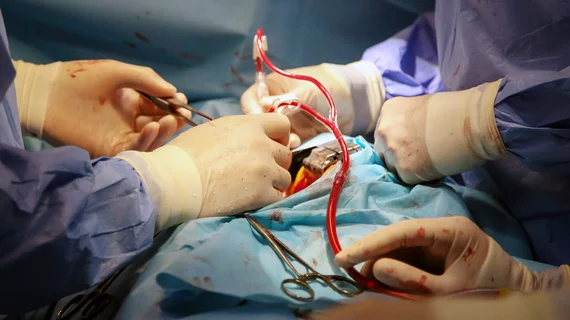
When older patients undergo SAVR with concomitant procedures, it increases their short- and long-term risks of mortality. Should this influence care teams to consider more transcatheter treatments?
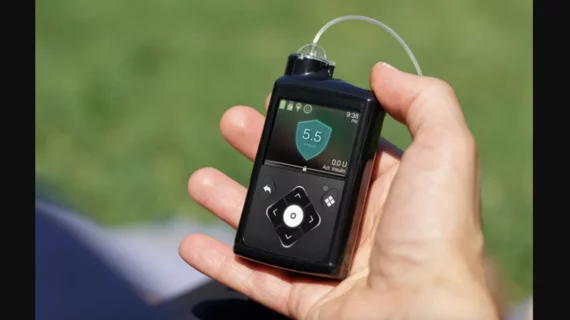
The MiniMed 780G automated insulin delivery system. Image courtesy of Medtronic/MiniMed.
The company's automated insulin pump can now be used to treat more patients thanks to an expanded CE mark approval. Could updates from the FDA be next?


![The use of intravascular lithotripsy (IVL) during percutaneous coronary intervention (PCI) is still safe and effective when patients present with calcified nodules (CNs), according to new long-term data published in EuroIntervention.[1] Researchers compared outcomes from patients with and without CNs, highlighting key similarities in stent expansion and luminal gain.](/sites/default/files/styles/top_stories/public/2024-12/screenshot_2024-12-02_at_11.07.21_am.png.webp?itok=YDi6SyF_)