• Clinical
      |Clinical
    • Acute Coronary Syndromes
    • Cardiac Surgery
    • Covid-19
    • Heart Failure
    • Heart Health
    • Heart Rhythm
    • Hypertension
    • Interventional Cardiology
    • Mitral Valve
    • Pharmaceutics
    • Structural Heart Disease
    • TAVR
    • Tricuspid Valve
    • Vascular & Endovascular
  • Management
      |Management
    • Chest Pain Guidelines
    • Compensation
    • Economics
    • Education & Training
    • Legal News
    • Patient Care
    • Policy & Regulations
    • Professional Associations
    • Quality
    • Revenue
    • Staffing
  • Technology
      |Technology
    • AI
    • Cardiac Imaging
    • Cath Lab
    • CT
    • CVIS
    • ECG
    • Echo
    • EP Lab
    • Informatics
    • MRI
    • Nuclear Cardiology
    • Remote Monitoring
  • Videos
  • Conferences
      |Conferences
    • ACC
    • AHA
    • ASE
    • ASNC
    • ESC
    • EuroPCR
    • HFSA
    • HRS
    • HRS
    • SCAI
    • SCCT
    • SIIM
    • SNMMI
    • STS
    • TCT
    • VIVA
  • Custom Content
      |Custom Content
    • Experience Stories
    • Webinars & Videos
  • Subscribe
  • Forty Under 40 Award
      |Forty Under 40 Award
    • Class of 2026
    • Class of 2025

Search form

Home

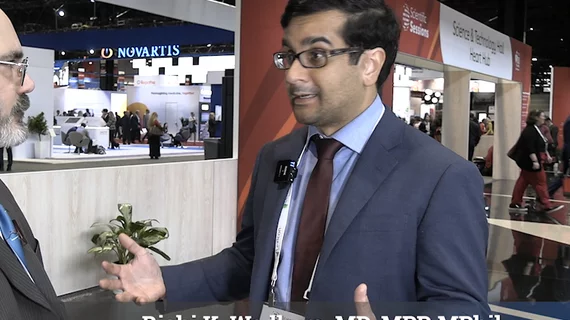
Death from heart disease more common in rural areas—what can cardiologists do?

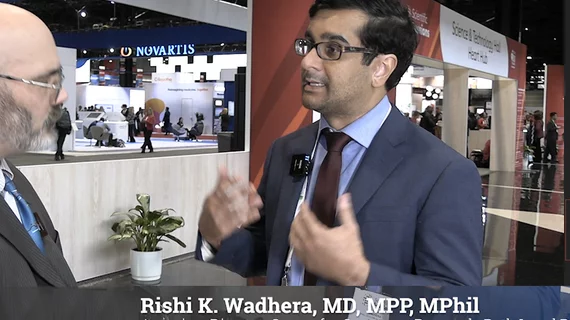
Rishi Wadhera, MD, MPP, MPhil, associate director of the Richard A. and Susan F. Smith Center for Outcomes Research, Beth Israel Deaconess Medical Center, and associate professor of medicine at Harvard Medical School, Explains a report showing socioeconomic factors are driving increased cardiovascular death rates, especially in younger adults, and urges action to address these health disparities.

Rishi Wadhera, MD, detailed new data that show how socioeconomic factors are driving cardiovascular death rates, especially in younger adults.

  • Read more about Death from heart disease more common in rural areas—what can cardiologists do?

FDA sees promise in new total artificial heart technology, granting it ‘breakthrough’ status

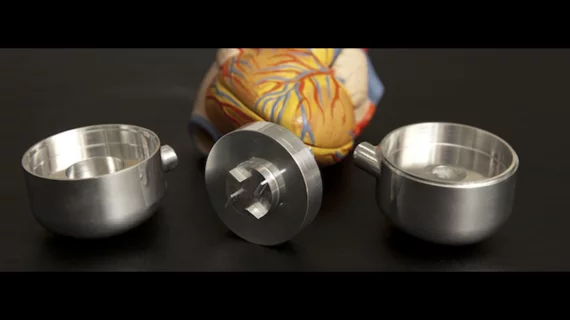
Surgeons in Houston have performed the world’s first successful human implant of BiVacor’s Total Artificial Heart (TAH) technology. The procedure was completed July 9, 2024, at The Texas Heart Institute at Baylor St. Luke’s Medical Center. It was part of an early feasibility study (EFS) first approved by the U.S. Food and Drug Administration (FDA) back in December 2023. BiVacor has received the FDA’s breakthrough device designation for its titanium Total Artificial Heart (TAH).

Image courtesy of BiVacor.

The device was built as a bridge to transplant for patients with end-stage heart failure. It is made of titanium and approximately the size of an adult’s fist.

  • Read more about FDA sees promise in new total artificial heart technology, granting it ‘breakthrough’ status

New-look peripheral stent with expandable spikes receives FDA’s de novo classification

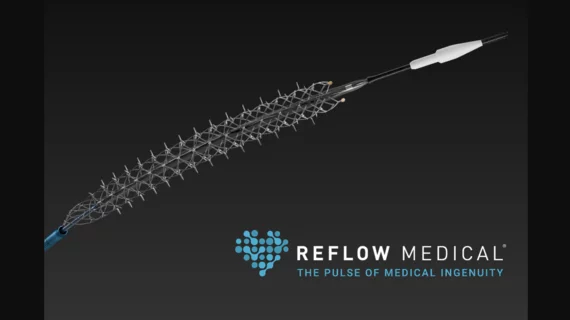
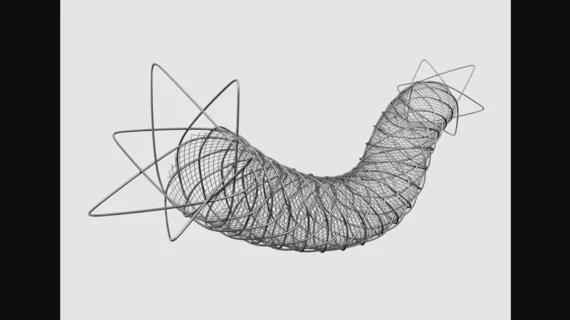
Reflow Medical Spur Peripheral Retrievable Stent System. Reflow Medical, a California-based medtech company focused on cardiovascular disease treatments, has received the FDA’s de novo classification for its Spur Peripheral Retrievable Stent System. De novo classification represents an alternative pathway to gaining FDA approval when no comparable devices are currently available.

California-based Reflow Medical gained the approval after submitting data from the DEEPER REVEAL clinical trial. The device was associated with a high success rate and improved outcomes in CLTI patients.

  • Read more about New-look peripheral stent with expandable spikes receives FDA’s de novo classification

The lack of diversity in cardiac surgery trials may be harmful to patients

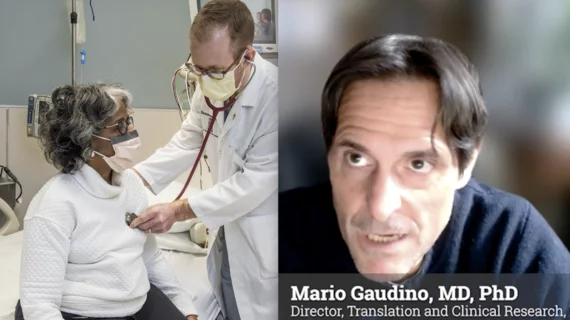
Mario Gaudino, MD, explains why cardiac surgery trials need more diversity to better inform treatment decisions for women and minorities.

Mario Gaudino, MD, PhD, told Cardiovascular Business there is a major need for more women and minorities in today's clinical trials.

  • Read more about The lack of diversity in cardiac surgery trials may be harmful to patients

SCAI celebrates legacies of pioneer pediatric cardiologists

Compensation for U.S. cardiologists is up across the board, according to a recent survey published by MedAxiom, an American College of Cardiology company. The report identified similar trends for cardiovascular surgeons, highlighting the country’s high demand for all heart specialists in 2024 and beyond.

Five veteran clinicians have been recognized for their lasting impact on the field of pediatric cardiology. 

  • Read more about SCAI celebrates legacies of pioneer pediatric cardiologists

Private equity's influence continues to rise in cardiology—what does that mean for patient care?

Rishi Wadhera, MD, MPP, MPhil, associate director of the Richard A. and Susan F. Smith Center for Outcomes Research, Beth Israel Deaconess Medical Center, and an associate professor of health policy and management, Harvard School of Public Health, explains the impact of private equity ownership of hospitals and private practices.

Rishi Wadhera, MD, MPP, MPhil, a cardiologist who also specializes in healthcare policy, spoke to Cardiovascular Business about the good, the bad and the unknown when it comes to private equity's role in cardiology.

  • Read more about Private equity's influence continues to rise in cardiology—what does that mean for patient care?

Terumo Interventional Systems launches dual-layer micromesh carotid stent after FDA approval

Roadsaver Carotid Stent System

Roadsaver Carotid Stent System image courtesy of Terumo Interventional Systems.

The dual-layer micromesh stent was designed with the flexibility of an open-cell stent and is available in multiple sizes.

  • Read more about Terumo Interventional Systems launches dual-layer micromesh carotid stent after FDA approval

How anticoagulants may impact a patient’s risk of gastrointestinal bleeding after TAVR

heart drugs with stethoscope

Researchers tracked the rates of major gastrointestinal bleeding in patients with AFib randomized to receive edoxaban or a vitamin K antagonist after a successful TAVR procedure.

  • Read more about How anticoagulants may impact a patient’s risk of gastrointestinal bleeding after TAVR

Study challenges use of MRI in spontaneous deep intracerebral hemorrhage

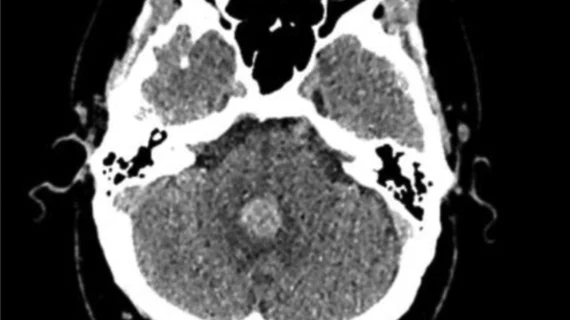
MRI may not be suitable for spontaneous deep ICH

Courtesy of Emergency Radiology

Spontaneous ICH carries a heightened risk of mortality, making locating its origin in a timely manner critical to outcomes.

  • Read more about Study challenges use of MRI in spontaneous deep intracerebral hemorrhage

Siemens Healthineers deploys its first mobile stroke unit in the US

The new device marks a “significant step forward” in American stroke care, the company contends. 

  • Read more about Siemens Healthineers deploys its first mobile stroke unit in the US

Pagination

    • First page « First
    • Previous page ‹ Previous
    • Page …131
    • Page 132
    • Page 133
    • Page 134
    • Current page 135
    • Page 136
    • Page 137
    • Page 138
    • Page 139 …
    • Next page Next ›
    • Last page Last »
Subscribe
  • Home
  • News
  • Article Archive
  • Custom Content
  • Webinars
  • Press Releases
  • Content Studio
  • Advertising
  • Submit Press Release
  • Contact Us
  • Terms of Use
  • Privacy Policy
  • Cardiovascular Business
  • HealthExec
  • Radiology Business
 
© 2026 Innovate Healthcare | All Rights Reserved. | Terms of Use | Privacy Policy
 
Design by Adaptive Theme