"As cannabis legalization increases, it is crucial to understand the public health and clinical implications of marijuana use," researchers wrote in JAMA Cardiology.
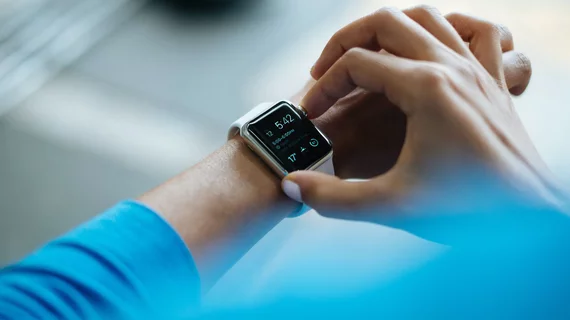
Cuffless BP measurements could potentially provide significant value for clinicians and patients alike. It is still too early, however, for these technologies to be used in a clinical setting; too many unanswered questions remain.
Mario Gaudino, MD, PhD, spoke to Cardiovascular Business about minimally invasive procedures, the growing interest in clinical trials and other key trends in the world of cardiac surgery.
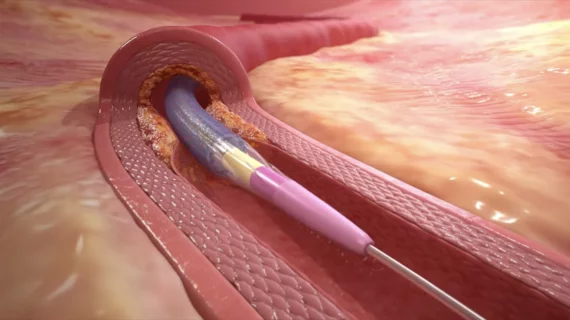
After years of trying to catch up with the competition, Boston Scientific is moving on. The company is no longer seeking approval from the FDA or any other regulatory agencies for these devices, and all global sales have been discontinued.
To be exact, the average weight time for a cardiologist appointment in U.S. cities is 32.7 days. This is a 23% increase compared to 2022 and a 74% increase compared to 2004.
Lucy He, MD, a neurosurgeon with the Alaska Stroke Coalition, explains how the state created an AI-based alert system to streamline the timely imaging diagnosis and transfer of stroke patients across the largest and most rural U.S. state.
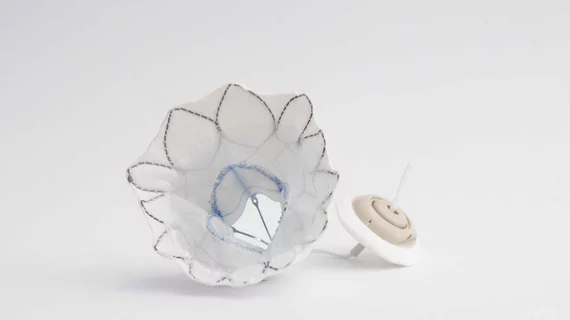
The self-expanding valve, which gained CE mark approval back in 2020, is available in multiple sizes and can be fully retrieved and repositioned as it is implanted.
PPMI after aortic valve surgery is known to increase certain risks for patients, but its impact after mitral valve procedures is unclear. A team of researchers aimed to learn more, tracking data from more than 4,500 patients.
Indian medtech company Meril Life Sciences has been manufacturing its Myval TAVR valves for years, but FDA approval has remained out of reach. These latest data represent a one-year update of the multicenter LANDMARK clinical trial.