• Clinical
      |Clinical
    • Acute Coronary Syndromes
    • Cardiac Surgery
    • Covid-19
    • Heart Failure
    • Heart Health
    • Heart Rhythm
    • Hypertension
    • Interventional Cardiology
    • Mitral Valve
    • Pharmaceutics
    • Structural Heart Disease
    • TAVR
    • Tricuspid Valve
    • Vascular & Endovascular
  • Management
      |Management
    • Chest Pain Guidelines
    • Compensation
    • Economics
    • Education & Training
    • Legal News
    • Patient Care
    • Policy & Regulations
    • Professional Associations
    • Quality
    • Revenue
    • Staffing
  • Technology
      |Technology
    • AI
    • Cardiac Imaging
    • Cath Lab
    • CT
    • CVIS
    • ECG
    • Echo
    • EP Lab
    • Informatics
    • MRI
    • Nuclear Cardiology
    • Remote Monitoring
  • Videos
  • Conferences
      |Conferences
    • ACC
    • AHA
    • ASE
    • ASNC
    • ESC
    • EuroPCR
    • HFSA
    • HRS
    • HRS
    • SCAI
    • SCCT
    • SIIM
    • SNMMI
    • STS
    • TCT
    • VIVA
  • Custom Content
      |Custom Content
    • Experience Stories
    • Webinars & Videos
  • Subscribe
  • Forty Under 40 Award
      |Forty Under 40 Award
    • Class of 2026
    • Class of 2025

Search form

Home

TAVR is safe for patients with large aortic annuli—heart failure remains a concern

family visits with doctor

As always, heart team discussions play a vital role when choosing between TAVR and SAVR for patients with large or extra-large aortic annuli. 

  • Read more about TAVR is safe for patients with large aortic annuli—heart failure remains a concern

Murj announces patient monitoring platform for hypertension and heart failure

Automated blood pressure monitor wearable Biofourmis booth HIMSS23.

Remote monitoring devices for blood pressure and heart failure can now integrate into the Murj platform for easier data management.

Remote monitoring devices are gaining popularity in the fields of hypertension and heart failure, but many health systems still struggle to get data into their EHR.

  • Read more about Murj announces patient monitoring platform for hypertension and heart failure

Surgery outperforms TAVR in young heart patients, new data confirm

Tiny fragments of plastic are commonly found deep inside the human body. Heart surgery, it seems, is one of many ways these microplastics are reaching their destination.  Surgeons Operating On Patient

Researchers tracked data from nearly 10,000 patients 60 years old or younger who underwent SAVR or TAVR. Propensity score matching was used to focus on two groups of approximately 1,500 patients.

  • Read more about Surgery outperforms TAVR in young heart patients, new data confirm

Trump nominates anti-abortion White House aide as next FDA commissioner

Heidi Overton, MD, PhD

Heidi Overton, MD, PhD.

If confirmed by the Senate, Heidi Overton, MD, PhD, would replace Marty Makary, MD, who resigned in May. Overton, who is associated with the America First Policy Institute, is an outspoken opponent of the abortion drug mifepristone.

  • Read more about Trump nominates anti-abortion White House aide as next FDA commissioner

AHA says new legislation would strengthen stroke care and prevention

A stroke seen on a CT angiography showing a blockage to one side of the brain. Photo at the Philips booth at RSNA 2025.

Sen. Ben Ray Luján, a stroke survivor, introduced the new bill. If passed, it would direct the federal government to study how stroke care is delivered in the United States and fund efforts aimed at improving treatments, data collection and public awareness.

  • Read more about AHA says new legislation would strengthen stroke care and prevention

HCM drug advances have been a breakthrough—but more invasive treatments are still vital

Srihari S. Naidu, MD, FACC, FAHA, MSCAI, director of cath labs and hypertrophic cardiomyopathy, Westchester Medical Center, explains concerns about the possible loss of expertise in surgical myectomy and interventional alcohol septal ablation as the procedure volumes to treat hypertrophic cardiomyopathy (HCM) due to the introduction of new drug therapies.

Some HCM experts are concerned about the potential loss of surgical and interventional expertise as procedural volumes decline.

  • Read more about HCM drug advances have been a breakthrough—but more invasive treatments are still vital

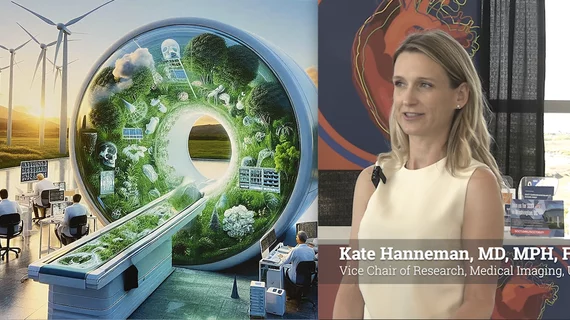
Cutting CCTA energy costs can improve environmental sustainability in cardiac imaging

Kate Hanneman, MD, MPH, FRCPC, associate professor and vice chair of research, Department of Medical Imaging, University of Toronto, and a cardiac radiologist with the Joint Department of Medical Imaging. She presented a session focused on the sustainability and environmental health considerations with cardiac CT at SCCT 2026. #SCCT

Energy savings from using lower-power modes can range from about one-third to as much as two-thirds, and that savings can translate directly into lower operating costs.

  • Read more about Cutting CCTA energy costs can improve environmental sustainability in cardiac imaging

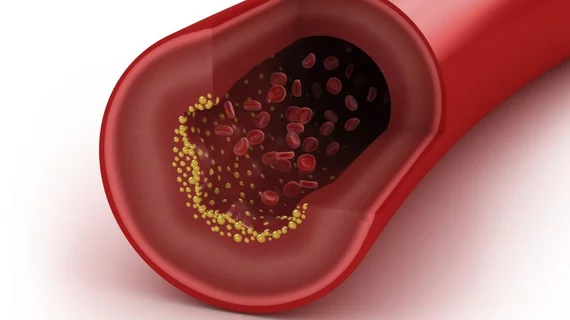
New research explores the earliest stages of coronary plaque inflammation

"If we want to prevent plaque from forming, we need to understand those earliest changes—not just what happens after inflammation has already taken hold," one researcher explained. 

  • Read more about New research explores the earliest stages of coronary plaque inflammation

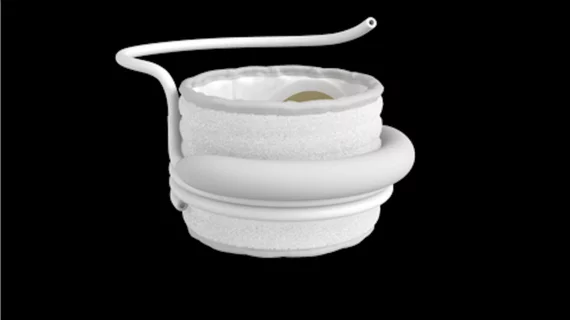
Transfemoral TMVR linked to positive outcomes for high-risk heart patients, new data confirm

The Sapien M3 system for transcatheter mitral valve replacement. Image courtesy of Edwards Lifesciences.

The Sapien M3 system for transcatheter mitral valve replacement. Image courtesy of Edwards Lifesciences.

Researchers tracked several years of data from patients treated with one of nine different devices. They described the reduction in MR as “profound and durable.”


  • Read more about Transfemoral TMVR linked to positive outcomes for high-risk heart patients, new data confirm

AI-powered opportunistic screening could help find patients with undetected aortic stenosis

Aortic stenosis opportunistic CT AI imaging from SCCT 2026 presentation by Ofir Koren, MD, Cedards-Sinai.

Having AI that can recognize and report signs of aortic stenosis in noncardiac imaging scans would make a major impact on patient care. 

  • Read more about AI-powered opportunistic screening could help find patients with undetected aortic stenosis

Pagination

    • First page « First
    • Previous page ‹ Previous
    • Page …12
    • Page 13
    • Page 14
    • Page 15
    • Current page 16
    • Page 17
    • Page 18
    • Page 19
    • Page 20 …
    • Next page Next ›
    • Last page Last »
Subscribe
  • Home
  • News
  • Article Archive
  • Custom Content
  • Webinars
  • Press Releases
  • Content Studio
  • Advertising
  • Submit Press Release
  • Contact Us
  • Terms of Use
  • Privacy Policy
  • Cardiovascular Business
  • HealthExec
  • Radiology Business
 
© 2026 Innovate Healthcare | All Rights Reserved. | Terms of Use | Privacy Policy
 
Design by Adaptive Theme