• Clinical
      |Clinical
    • Acute Coronary Syndromes
    • Cardiac Surgery
    • Covid-19
    • Heart Failure
    • Heart Health
    • Heart Rhythm
    • Hypertension
    • Interventional Cardiology
    • Mitral Valve
    • Pharmaceutics
    • Structural Heart Disease
    • TAVR
    • Tricuspid Valve
    • Vascular & Endovascular
  • Management
      |Management
    • Chest Pain Guidelines
    • Compensation
    • Economics
    • Education & Training
    • Legal News
    • Patient Care
    • Policy & Regulations
    • Professional Associations
    • Quality
    • Revenue
    • Staffing
  • Technology
      |Technology
    • AI
    • Cardiac Imaging
    • Cath Lab
    • CT
    • CVIS
    • ECG
    • Echo
    • EP Lab
    • Informatics
    • MRI
    • Nuclear Cardiology
    • Remote Monitoring
  • Videos
  • Conferences
      |Conferences
    • ACC
    • AHA
    • ASE
    • ASNC
    • ESC
    • EuroPCR
    • HFSA
    • HRS
    • HRS
    • SCAI
    • SCCT
    • SIIM
    • SNMMI
    • STS
    • TCT
    • VIVA
  • Custom Content
      |Custom Content
    • Experience Stories
    • Webinars & Videos
  • Subscribe
  • Forty Under 40 Award
      |Forty Under 40 Award
    • Class of 2026
    • Class of 2025

Search form

Home

Bracco updates HeartSee coronary flow capacity software with new diagnostic features

HeartSee 4.0 Bracco Diagnostics

Images courtesy of Bracco Diagnostics. 

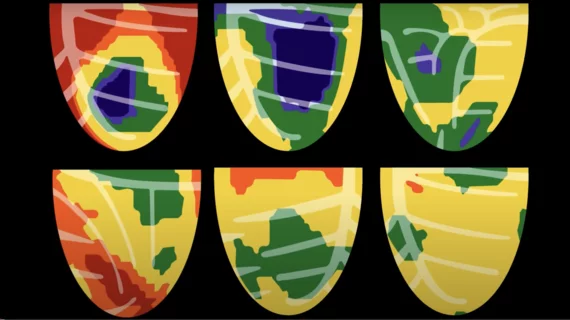
Clinicians have been using HeartSee to diagnose and treat coronary artery disease since the technology first debuted back in 2018. These latest updates, set to roll out to existing users, are designed to improve diagnostic performance and user access.

  • Read more about Bracco updates HeartSee coronary flow capacity software with new diagnostic features

American College of Cardiology shares new guidance focused on evaluation, management of cardiogenic shock

A majority of medical devices involved in Class I recalls were never required by the U.S. Food and Drug Administration (FDA) to undergo premarket or postmarket clinical testing, according to new research published in Annals of Internal Medicine.[1]

The new document represents the ACC’s first Concise Clinical Guidance; it was designed to be an easy-to-use reference for keeping track of a complicated topic. 

  • Read more about American College of Cardiology shares new guidance focused on evaluation, management of cardiogenic shock

Woman says husband’s heart condition was misdiagnosed in wrongful death lawsuit

A gavel and a stethoscope

“Clear signs of an aortic dissection” were missed in the patient's imaging findings after he presented to the emergency room, according to the lawsuit. He was diagnosed with acute pericarditis at the time and sent home—and then died four days later.

  • Read more about Woman says husband’s heart condition was misdiagnosed in wrongful death lawsuit

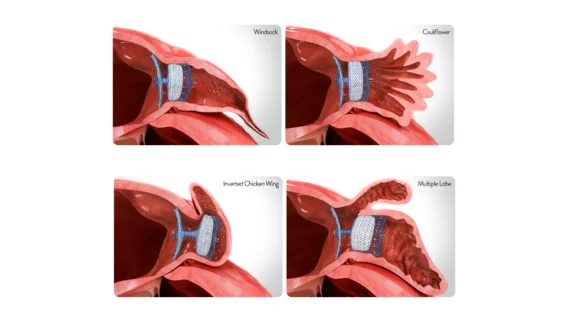
Abbott’s Amulet LAAO device linked to long-term safety, effectiveness

Amplatzer Amulet Left Atrial Appendage Occluder (LAAO) from Abbott

Amplatzer Amulet Left Atrial Appendage Occluder images courtesy of Abbott. 

Researchers explored five-year data from more than 1,800 patients with nonvalvular AFib who underwent LAAO with Abbott's Amulet or Boston Scientific's Watchman 2.5. 

  • Read more about Abbott’s Amulet LAAO device linked to long-term safety, effectiveness

Food insecurity increases risk of poor heart health in young adults

homeless teenager

Food insecurity—lacking consistent access to the food needed to live an “active, healthy lifestyle”—impacts up to one in eight Americans each year. 

  • Read more about Food insecurity increases risk of poor heart health in young adults

TAVR or TAVI? Cardiologists want a single acronym for the popular heart procedure

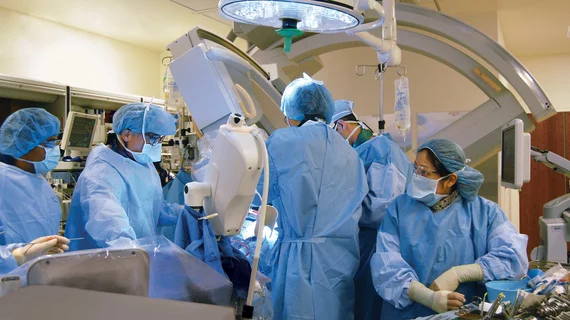
A TAVR procedure being performed at Northwestern Medicine in Chicago.

Clinicians are asking the world's medical societies to come together and agree on one acronym for TAVR/TAVI to avoid unnecessary confusion going forward.

  • Read more about TAVR or TAVI? Cardiologists want a single acronym for the popular heart procedure

AI could help cardiologists predict bleeding, stroke risks in AFib patients on DOACs

AI cardiology heart artificial intelligence deep learning

Researchers developed several new AI models that could guide the management of patients with non-valvular atrial fibrillation. There is still some work to do in terms of accuracy, but they already appear to outperform the traditional risk scores being used today.

  • Read more about AI could help cardiologists predict bleeding, stroke risks in AFib patients on DOACs

Key trends in diagnostic heart testing: CT on the rise as some traditional techniques fall out of favor

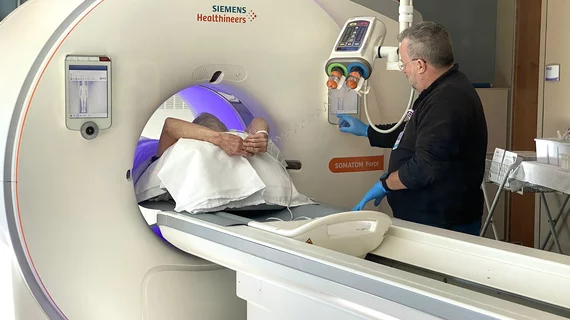
Technologist sets up a patient for a CT scan with IV contrast at Wellstar Kennestone Hospital. Photo by Dave Fornell

The cardiac technologies clinicians use for CVD evaluations have changed significantly in recent years, according to a new analysis of CMS data. While some modalities are on the rise, others are being utilized much less than ever before.

  • Read more about Key trends in diagnostic heart testing: CT on the rise as some traditional techniques fall out of favor

TAVR in Africa linked to high success rate, but above-average risks

doctor Egypt Africa stethoscope

TAVR adoption in Africa has been relatively slow, but cardiologists throughout the continent have made considerable progress. New data does show that there is some work to be done before outcomes will rival what is seen in many other parts of the world.

  • Read more about TAVR in Africa linked to high success rate, but above-average risks

Patient discharged with total artificial heart for first time—goes 105 days while awaiting transplant

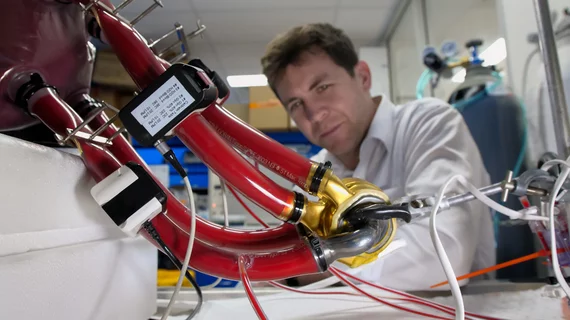
Surgeons in Houston have performed the world’s first successful human implant of BiVacor’s Total Artificial Heart (TAH) technology. The procedure was completed July 9, 2024, at The Texas Heart Institute at Baylor St. Luke’s Medical Center. It was part of an early feasibility study (EFS) first approved by the U.S. Food and Drug Administration (FDA) in December 2023.

BiVacor founder Daniel Timms, PhD. Image courtesy of BiVacor. 

Total artificial heart recipients typically stay in the hospital. In this case, however, the patient was able to wait for a donated heart from the comfort of his own home.

  • Read more about Patient discharged with total artificial heart for first time—goes 105 days while awaiting transplant

Pagination

    • First page « First
    • Previous page ‹ Previous
    • Page …152
    • Page 153
    • Page 154
    • Page 155
    • Current page 156
    • Page 157
    • Page 158
    • Page 159
    • Page 160 …
    • Next page Next ›
    • Last page Last »
Subscribe
  • Home
  • News
  • Article Archive
  • Custom Content
  • Webinars
  • Press Releases
  • Content Studio
  • Advertising
  • Submit Press Release
  • Contact Us
  • Terms of Use
  • Privacy Policy
  • Cardiovascular Business
  • HealthExec
  • Radiology Business
 
© 2026 Innovate Healthcare | All Rights Reserved. | Terms of Use | Privacy Policy
 
Design by Adaptive Theme