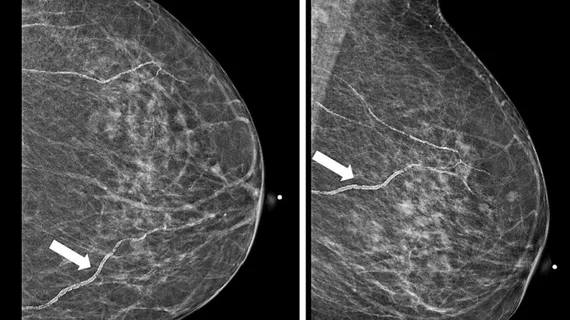
Arrows illustrate breast arterial calcifications for a 65-year-old woman on a screening mammography image (mediolateral oblique and craniocaudal views). Images and caption courtesy of Clinical Imaging.
Breast artery calcifications are already visible when radiologists review mammograms, but nothing typically happens with them. Researchers aimed to see if AI could help translate those findings into an easy-to-understand cardiovascular risk score.
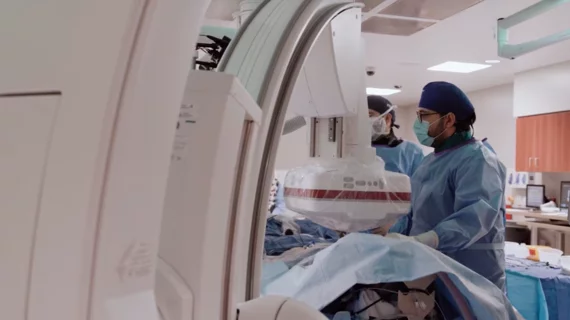
Most advancements in electrophysiology technology are small and incremental, but the experts at Texas Cardiac Arrhythmia Institute in Austin, TX, were quick to see distinct advantages when they started using the latest iteration of radio frequency ablation, the QDOT MICRO™ Catheter.
Mitral valve repair was linked to a significant improvement in long-term survival when treating infective endocarditis. Some patients are not good candidates for a repair procedure, however, making replacement the best possible option.
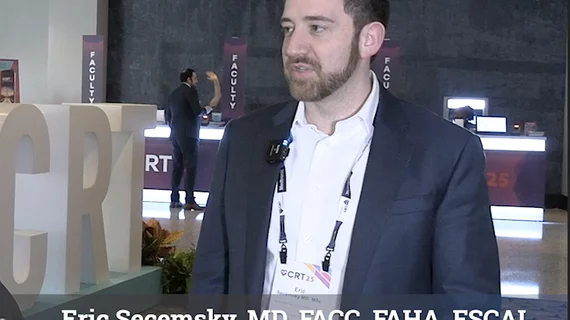
Bioresorbable stents are back in the spotlight thanks to some significant progress from multiple medtech companies. Eric Secemsky, MD, discussed some of the biggest breakthroughs in this space at CRT 2025.
“Asking about cannabis use should be part of clinicians' workup to understand patients' overall cardiovascular risk, similar to asking about smoking cigarettes,” one researcher said. Additional details will be presented at ACC.25 in Chicago.
AI has already made a massive impact on healthcare, especially in the fields of cardiology and radiology. With the FDA clearing more and more algorithms, this trend is only expected to grow as time goes on.
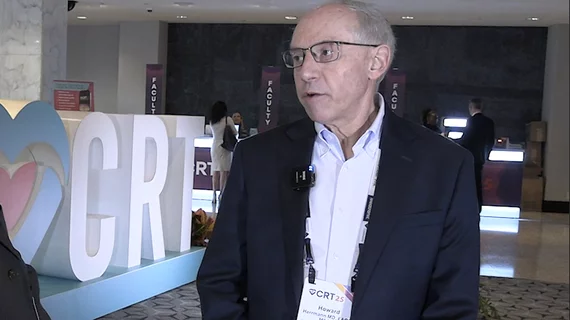
Howard Herrmann, MD, MSCAI, Hospital of the University of Pennsylvania, and lead invesigator for the SMART trial, explains details on the 2-year data comparing the Evolut vs. Sapien 3 for TAVR in small annulus patients.