Follow-up care after a successful heart transplant can be challenging—both for providers and their patients. Consider, for example, the fact that so many patients who develop complications never actually present with symptoms.
Experts agree that most patients younger than 65 should be treated with surgery instead of TAVR. According to a new real-world analysis, however, more and more of these patients are undergoing TAVR.
This new catheter-based device for lymphatic drainage showed early potential to be an effective treatment option for acute decompensated heart failure.
Concerns about radiation are believed to be a major reason so few women pursue a career in interventional cardiology. Are they right to be worried? SCAI hopes its new analysis can shed some light on this topic.
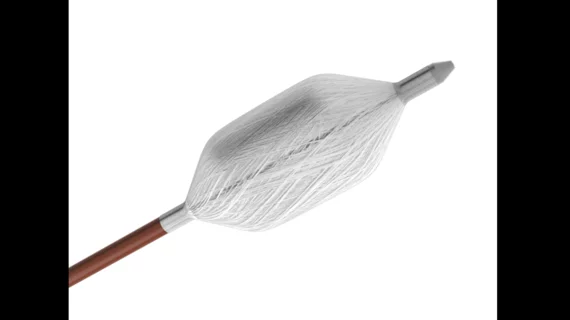
Boston Scientific's Seismiq 4CE Coronary IVL Catheter. Image courtesy of Boston Scientific.
The company's Seismiq platform has already gained FDA approval for treating PAD. This new analysis highlights its potential to treat calcified coronary lesions during PCI procedures.
The American Society of Nuclear Cardiology visited Capitol Hill to advocate for a variety of issues. Cardiovascular Business spoke to the group's president to learn more.
Heparin-induced thrombocytopenia after heart surgery is a major concern, but prior guidelines were developed without much feedback from actual cardiac surgeons.