
AI-enabled coronary plaque evaluations included in new RBM guidelines
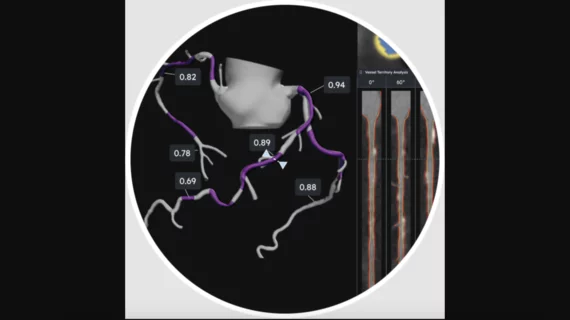
EviCore, a Tennessee-based radiology benefit manager (RBM), has included artificial intelligence (AI)-enabled coronary plaque evaluations in its new cardiac imaging guidelines.
These technologies work by assessing coronary CT angiography (CCTA) images and then alerting clinicians of any findings that represent an increased risk of coronary artery disease (CAD). The new guidelines from EviCore, which go into effect on Oct. 1, highlight the significant value associated with the use of AI-enabled coronary plaque evaluations in patients presenting with acute or stable chest pain and signs of up to 70% stenosis.
RBMs are hired by health insurance providers to verify that medical imaging exams are being utilized correctly. EviCore’s decision to include AI-enabled coronary plaque evaluations in its guidelines is yet another sign that these technologies are gaining momentum in today’s healthcare landscape. Previous signs of this trend have included the new Category 1 CPT code issued by the American Medical Association back in October, and the expanded Medicare coverage announced just days later.
‘This decision will increase access for patients’
California-based Heartflow has issued a statement celebrating this news. The company’s Plaque Analysis software is one of a small number of FDA-approved offerings currently available to U.S. healthcare providers.
“EviCore’s inclusion of Heartflow Plaque Analysis in its guidelines marks a significant advancement in cardiovascular disease diagnosis and management,” John Farquhar, president and CEO of Heartflow, said in the statement. “We applaud EviCore for acknowledging the crucial role and value of Heartflow’s AI-enabled plaque quantification technology in managing coronary artery disease. This decision will increase access for patients and help clinicians provide more targeted and effective management plans.”
“CAD is a silent killer, often characterized by plaque buildup that can lead to heart attacks and strokes,” added Ron Blankstein, MD, director of cardiac CT at Brigham and Women’s Hospital and professor of medicine at Harvard Medical School. “EviCore’s updated guidelines recommending coverage of AI-enabled coronary plaque analysis technology lay the foundation for broader payor coverage and expanded patient access to this groundbreaking technology to quantify and characterize plaque buildup in the coronary arteries. Early detection and quantification of plaque using precise AI-driven tools enables us to offer personalized treatments sooner, with the opportunity to improve outcomes for our patients.”
The new EviCore guidelines are available as a PDF here.

Michael has more than 19 years of experience as a professional writer and editor. He has written at length about cardiology, radiology, artificial intelligence and other key healthcare topics.