
Florida county to launch nation's first publicly funded CCTA screening program
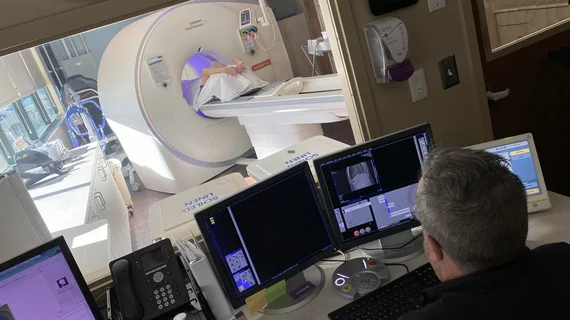
Many experts in the fields of radiology and cardiology predict that coronary CT angiography (CCTA) with a soft plaque analysis may eventually become the way of the future for preventive cardiac screenings. At this point, they typically add, more data is still needed.
However, voters in Broward County, Florida, have decided that the time for CCTA screenings in now. The area's citizens have approved a quarter-cent sales tax increase to fund a new CCTA and cancer screening program for county residents. That tax increase is expected to raise between $90 and $100 million per year.
"We will be the only U.S. county, city or state government that I am aware of that will be providing cardiac and cancer screenings on a preventative basis that insurance does not provide," Mark Bogen, mayor and Broward County commissioner, told Cardiovascular Business. "The only cost is one-fourth of a penny sales tax, which does not apply to groceries, insurance, medication and gasoline. We will provide screenings for the most common cancers for men and women at area hospitals, as well as have mobile units for those who cannot get to a hospital."
The tax goes into effect on Jan. 1, 2027, and will raise money to launch the program in 2028. It will expand local healthcare services by providing free screenings to residents who qualify. It will cover the costs not only of the CCTA scans that insurance currently does not cover, but also for any treatment that is required based on those scans.
"This is actually very big news and will save thousands of lives," local radiologist and cardiac imaging expert Claudio Smuclovisky, MD, told Cardiovascular Business. "Most heart attacks are actually preventable with appropriate risk stratification and treatment. CCTA is the only noninvasive test that can visualize and quantify coronary atherosclerotic plaque. Unfortunately, insurance doesn’t cover this test for prevention."
Pilot CCTA program had shocking results, prompting the tax referendum
Smuclovisky was contracted by the county as the medical consultant to develop the Broward Heart Project, a county-funded pilot program in 2023 that was Bogen's brainchild. The program paid for 7,000 asymptomatic people between 45-70 years old to have a CCTA scan. It was designed to see if it could help improve the health of county residents with a more thorough screening using the latest CCTA technology. The results had a surprising impact that led the county to seek this fall's tax referendum to further expand the program.
"We found that 4,000 of those people had coronary artery disease (CAD) that required medical treatment, and 700 went to the cath lab for a stent or for open heart surgery," Smuclovisky explained. Another 350 people had incidental findings in their scans that helped lead to the diagnosis of other medical issues.
"We found 57% of them needed medical care. In other words, we saved many lives," Bogan said. "In my opinion, the best thing an elected official can do is find a way to save thousands of lives. We have done it with our cardiac pilot project and now we will add cancer sceenings."
Bogan notes that he is not a doctor; he works as an attorney. But he said people do not have to be cardiologists to see the impact of the pilot program, which involved showing patients and their doctors clear images of coronary plaques and using artificial intelligence (AI)-enabled plaque assessment software to accurately quantify the soft plaques.
While CT calcium scoring is seen as a current standard of care, he and Smuclovisky said it failed to show or qualify soft plaques, which are the ones that actually cause heart attacks. Patients with zero calcium scores can still have heart attacks. CCTA soft plaque imaging enables doctors and patients to see early disease development, leading to the initiation of drug and lifestyle interventions decades before the patient would otherwise become symptomatic with advanced disease that is much more difficult to treat.
"For the past 10 years, the only thing I have heard from many in the medical community is that we have to study this more. Well, the doctors and hospitals I have worked with have proven that this test saves lives. If I wait for the medical community to get their act together, I will be dead and buried. The data we have shows what we have done has helped people medically or actually saved lives. The preventative cancer testing is already proven and will also save lives."
The $10 million pilot program was launched by the county in the summer of 2023 under Bogen, who was then a county commissioner. The program was resumed when Bogan became Mayor in the fall of 2025. It is currently operated in partnership with the Florida Panthers Foundation, which is providing $1 million in funding over five years, and the scans are provided by the Cleveland Clinic.
The nation's first publicly funded CCTA screening program
Now that funding has been secured, there are still a lot of questions that need to be sorted out, including where these exams will be performed and who will manage the program. Bogen said Broward County will be setting up an agency to manage the program with the help of the CEOs of the local hospitals and doctors. An expert advisory panel will help oversee the program. He and Smuclovisky said the program will likely be a county-wide network of participating facilities and an enlarged version of the pilot program.
"The goal is to save lives and also gather data for outcome studies," Smuclovisky said.
He explained data from this first county-run U.S. CCTA program will add to the research needed that may lead to the eventual expansion of insurance coverage and the wider use of this technology.
The new tax raised the sales tax rate to 7.25%. It is effective for five years beginning Jan. 1, 2027, through Dec. 31, 2031, unless the county takes additional actions to fund the project.
Bogan's personal history inspired him to champion this program
Bogan became an advocate for CCTA heart screenings based on his own experience as a patient. He underwent a CT calcium scoring scan and had a score of zero, showing he was at a very low risk. He was shocked when he later had a CCTA scan and was told his risk of a heart attack was very high. In fact, he had a large blockage his left main coronary artery that had previously been undetected.
"The calcium test did not show my 70% blockage since it was soft plaque," Bogan explained.
After his own experience, Bogan encouraged friend and former Major League Baseball second baseman Steve Sax to get a CCTA scan. Despite appearing to be in great health and working out, that scan changed Sax's life. It showed all four of his main coronary arteries had 95-99% blockages and he required immediate bypass surgery. Sax spoke in support of the CCTA program before the County Commission in November 2025, crediting the scan for saving his life.

Dave Fornell has covered healthcare for more than 17 years, with a focus in cardiology and radiology. Fornell is a 5-time winner of a Jesse H. Neal Award, the most prestigious editorial honors in the field of specialized journalism. The wins included best technical content, best use of social media and best COVID-19 coverage. Fornell was also a three-time Neal finalist for best range of work by a single author. He produces more than 100 editorial videos each year, most of them interviews with key opinion leaders in medicine. He also writes technical articles, covers key trends, conducts video hospital site visits, and is very involved with social media. E-mail: [email protected]