
Cardiac amyloidosis in the spotlight at Heart Failure 2026
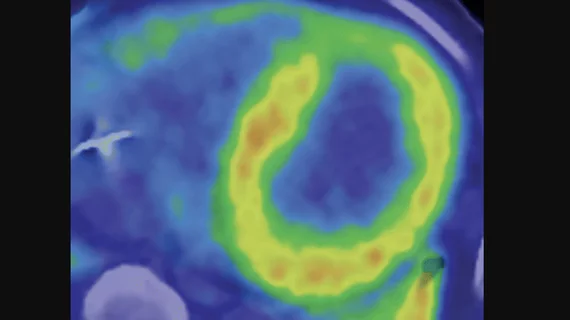
Cardiac amyloidosis research is a growing area in cardiology thanks to the recent advent of new drug therapies to treat the disease. Several new studies on that topic were presented at Heart Failure 2026 in Barcelona, Spain, a four-day event organized by the Heart Failure Association of the European Society of Cardiology (ESC-HF).
Acoramidis data continued positive trends
Positive data on the FDA-cleared drug acoramidis (Attruby) from the Phase 3 ATTRibute-CM study were presented in a late-breaking session at Heart Failure 2026.[1] Overall, acoramidis increased serum transthyretin (sTTR) early and significantly reduced intra-individual sTTR variability compared to a placebo. Those changes are associated with a reduced risk of all-cause mortality. BridgeBio Pharma said the data further differentiates the drug from others in the treatment of transthyretin amyloid cardiomyopathy (ATTR-CM). The drug offers more than 90% TTR stabilization.
“While increasing TTR levels on stabilizer therapy is important and strongly relates to risk of dying in ATTR-CM, these new results demonstrate that reducing TTR variability at the individual level over time also seems to be important for modifying disease outcomes. By linking TTR variability independently to mortality, we’re seeing a mechanistic signal that may help explain acoramidis’ clinical benefit,” presenter Senthil Selvaraj, MD, assistant professor of medicine in the Duke Molecular Physiology Institute and the division of cardiology at Duke University Medical Center, said in a statement.
He said acoramidis demonstrated an early separation of outpatient worsening heart failure seen within 30 days and sustained this out to 30 months. This is the fastest time to impact of any disease-modifying treatment to date for ATTR-CM.
In another acoramidis session, Emer Joyce, MD, PhD, a cardiologist at Mater University Hospital in Dublin, Ireland, presented a matching-adjusted indirect comparison of acoramidis and tafamidis using the pivotal study data. Acoramidis demonstrated a statistically significant 34% reduction in cardiovascular hospitalizations vs. tafamidis and a 28% hazard reduction in all-cause mortality vs. tafamidis. The data also showed comparable safety profiles between the two drugs.
Implantable loop recorders show arrhythmia burden in cardiac amyloidosis
Clinically significant arrhythmias, including atrial fibrillation (AFib), are very common in cardiac amyloidosis patients. They are also frequently asymptomatic.
To better understand these arrhythmias, the EXCALIBUR study used implantable loop recorders (ILRs) in 110 patients with a new diagnosis of ATTR-CM or light-chain (AL-CA) to look at the associations with amyloid subtype and disease characteristics.[2] They underwent comprehensive phenotyping, including cardiac magnetic resonance.
Baseline conduction abnormalities and higher myocardial amyloid burden were associated with subsequent bradyarrhythmic events. Bradyarrhythmias with a Class I indication for pacemaker implantation occurred in 17.3% of patients and were more frequent in ATTR-CM than AL-CA (23.8% vs. 8.5%).
New AFib occurred in 28.2% of patients without a prior AFib diagnosis. It was more frequent in ATTR-CM than AL-CA (50% vs. 12.2%). Higher amyloid burden was linked to increased risk.
In patients with ATTR-CM who had a terminal cardiac rhythm, it was uniformly pulseless electrical activity (PEA). For patients with AL-CA, PEA was the terminal rhythm in 81.8% of patients, and 18.2% had sustained ventricular arrhythmias.
Researchers concluded that clinically significant arrhythmias are common and frequently asymptomatic, and that arrhythmic burden and patterns differ between amyloid subtypes. They also found a close link with the disease phenotype and myocardial amyloid burden. They said the data supports the need for further studies to better refine risk stratification and guide better management strategies.
Bleeding complications higher in cardiac amyloidosis patients
A Danish nationwide study used data from various Danish nationwide registries identified 735 amyloidosis patients and 2,205 matched controls to assess the risks of stroke/transient ischemic attack (TIA) and bleeding-related hospitalizations.[3] AstraZeneca expects to release full results in the second half of 2026.
During five years of follow-up, amyloidosis was not associated with a higher risk of stroke/TIA, with 5.4% occurring in amyloidosis patients, and 6.2% in the control group. But bleeding-related hospitalization occurred more often in amyloidosis patients than in controls (21.4% vs. 15.8%). The all-cause mortality rate during the five-year follow-up was also higher cardiac amyloidosis patients (71.2% vs 39%). Six months after enrollment in the trial, oral anticoagulant use remained more common in amyloidosis patients than in controls (50.1% vs. 38.1%).
The study also found cardiac amyloidosis was associated with a higher long-term risk of bleeding-related hospitalization, but not with a higher long-term risk of stroke/TIA. The researchers said several mechanisms may explain the increased bleeding burden, including vascular amyloid deposition, acquired hemostatic abnormalities, renal dysfunction, frailty and a wider use of antithrombotic therapy.
Largest drug trial for transthyretin amyloidosis finished enrollment
It was announced during Heart Failure 2026 that the Phase 3 CARDIO-TTRansform trial is now fully enrolled with 1,432 randomized participants to evaluate the drug eplontersen vs. a placebo. This is the largest transthyretin amyloidosis with cardiomyopathy study to date.[4]. Eplontersen is an N-acetylgalactosamine ligand–conjugated antisense oligonucleotide targeting hepatocyte TTR messenger RNA to reduce the production of circulating TTR.
In this trial, the drug is administered subcutaneously every four weeks, for up to 140 weeks, followed by a 20-week post-treatment evaluation period, or in an open-label extension. The primary endpoint is a composite of cardiovascular mortality and recurrent clinical cardiovascular events through 140 weeks. Secondary endpoints include changes from baseline in 6-minute walk distance and Kansas City Cardiomyopathy Questionnaire score, recurrent cardiovascular events, and all-cause mortality. All patients received echocardiography and a subset will be evaluated using cardiovascular MRI and cardiac nuclear technetium scintigraphy.

Dave Fornell has covered healthcare for more than 17 years, with a focus in cardiology and radiology. Fornell is a 5-time winner of a Jesse H. Neal Award, the most prestigious editorial honors in the field of specialized journalism. The wins included best technical content, best use of social media and best COVID-19 coverage. Fornell was also a three-time Neal finalist for best range of work by a single author. He produces more than 100 editorial videos each year, most of them interviews with key opinion leaders in medicine. He also writes technical articles, covers key trends, conducts video hospital site visits, and is very involved with social media. E-mail: [email protected]