
Heart surgeon performs first robotic aortic valve replacement of its kind
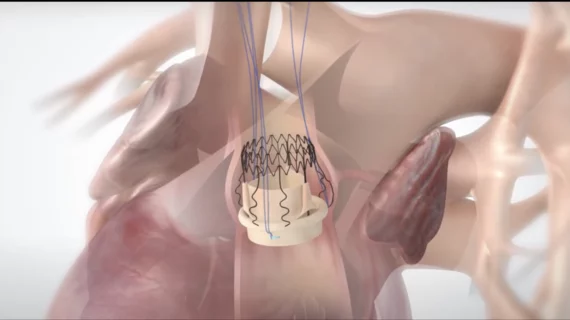
A surgeon at Cleveland Clinic has performed the world’s first robotic-assisted heart surgery of its kind, using CardioPrecision’s CoreVista Robot Enabling Platform to implant Corcym’s Perceval Plus aortic heart valve through a small incision in the patient’s neck.
The successful operation, known as AVATAR (Advanced Videoscopic Aortic valve surgery by Transcervical Approach using Robot assistance), was performed by Marijan Koprivanac, MD, a cardiovascular surgeon with Cleveland Clinic's Heart, Vascular and Thoracic Institute. Other robotic techniques for aortic valve replacement have already been in use, including the robotic aortic valve replacement procedures developed at the WVU Heart and Vascular Institute, what sets this approach apart is the fact that everything is done through that small incision in the neck.
“Combining the artificial heart valve with this new surgical technology means patients should experience less pain and time in the hospital following heart surgery,” Koprivanac said in a statement. “In fact, we believe that this may be one of the least invasive surgical heart valve replacement options now available.”
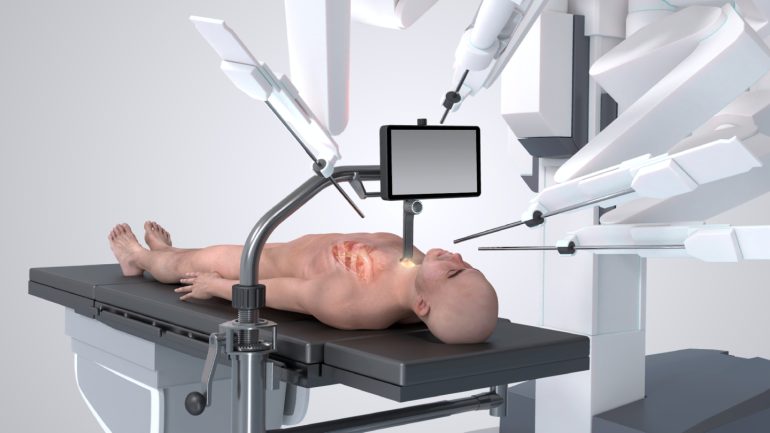
The CoreVista Robot Enabling Platform. Image courtesy of CardioPrecision
“This pioneering surgical procedure strengthens our foothold in robotic surgery,” added Christian Mazzi, CEO of Corcym. “By having our sutureless valve technology be used in this way, we helped create a new option for robotic cardiac surgery.”
Ying Sutherland, PhD, co-founder and CEO of CardioPrecision, believes robotic aortic valve replacements could eventually be so minimally invasive that patients go home the very same day.
“Transcatheter aortic valve replacement (TAVR) is already performed as a day case in some centers,” Sutherland said in a 2024 statement. “However, not all patients are suitable for TAVR, and for those patients, the prospect of surgery can be quite daunting. Having seen the benefits of robotic surgery in other surgical specialties, I am confident that we will be able to deliver a much less invasive alternative to conventional surgery using these technologies.”

Michael has more than 19 years of experience as a professional writer and editor. He has written at length about cardiology, radiology, artificial intelligence and other key healthcare topics.