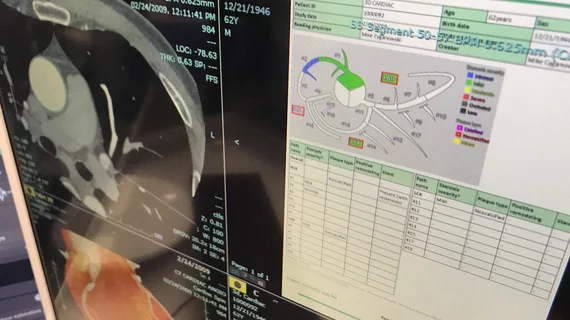
When heart patients are diagnosed with severe AS, how quickly do they need to undergo TAVR? That was the focus of a new analysis published in Open Heart.
Accessing cardiology data for research or population health initiatives is still quite difficult in Europe. Could this new project help reverse that trend?
Samir Kapadia, MD, chair of the department of cardiovascular medicine at Cleveland Clinic, shared his perspective on the use of cerebral protection devices during TAVR procedures.
“Before we examined the data, I thought we would find an ample amount of the symptoms to be specifically associated with long COVID, but that wasn’t the case," one researcher said.
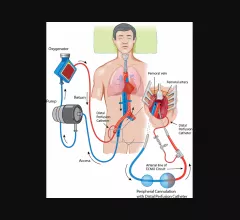
While a previous study had found that extracorporeal CPR outperformed conventional CPR among patients with out-of-hospital cardiac arrest, a newer analysis suggests the two treatment options result in similar outcomes.
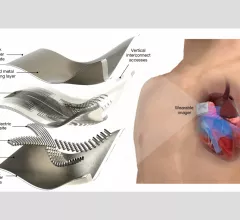
The device, designed to be worn for up to 24 hours at a time, uses ultrasound technology and artificial intelligence to track how much blood the user's heart is pumping.
Researchers explored updated data from the AHA, noting that the number of CVD-related deaths increased from more than 874,000 in 2019 to more than 928,000 in 2020.