
New AI-enabled heart failure implant shows early potential
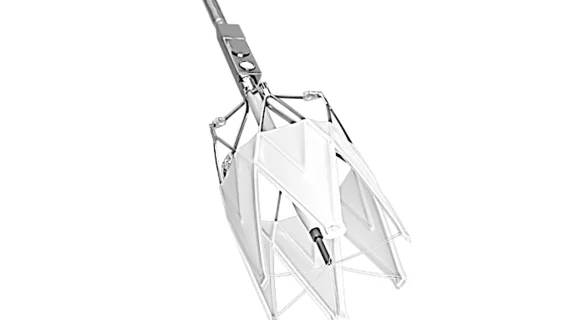
A new implantable artificial intelligence (AI) device that modulates venous pressure to increase renal perfusion in diuretic-resistant heart failure patients was associated with positive 90-day data in the first-in-human RELIEF-FIH study. Researchers presented the data at the THT 2026 conference in Boston.
The Relief System from Relief Cardiovascular is a first-of-its-kind device. The goal of the device is to better manage heart failure congestion at home. It is one of many new heart failure technologies aimed at finding new ways to reduce heart failure rehospitalizations, which are a major driver for healthcare costs.
The Relief System incorporates a valve and sensor implant that uses AI to intelligently modulate venous pressure using hemodynamic data. The system actively adjusts flow in the inferior vena cava (IVC), which lowers venous pressure to drive durable decongestion in heart failure. It uses a daily transmission of hemodynamic data to adjust the valve through a cloud-enabled interface.
The prospective, multi-center, phase I/IIa RELIEF-FIH study met all endpoints for procedural safety and efficacy in lowering venous pressure to drive durable decongestion in heart failure. The device had sustained on-demand renal vein flow and accurate automatic hemodynamic pressure measurements.
"The RELIEF-FIH study provides encouraging early evidence on a novel approach to HF congestion management," Alex Rothman, PhD, honorary consultant cardiologist and academic training lead at Sheffield Teaching Hospitals NHS Trust, said in a statement. He presented the findings at THT.
"By targeting the negative physiological cardiorenal loop, the Relief System modulates venous congestion in response to in vivo hemodynamic data. Early study data demonstrated sustained renal flow enhancement. The ability to actively drive decongestion while supporting renal function may represent a significant advancement over pharmaceutical strategies, which are often constrained by renal impact," he said.
This first-in-human study included eight patients across three European sites. It had a 100% procedural success rate, with an average procedure time of seven minutes. There were zero device-related adverse events after 30 and then 90 days.
Data show the device provided accurate hemodynamic measurements at 90 days when compared to invasive right heart catheterization. Researchers also found a sustained on-demand renal flow enhancement and pressure reduction with valve activation at 90 days. The study also showed an observable reduction in heart failure hospitalizations compared to baseline.
New heart failure technology already making waves
Relief Cardiovascular received $12 million in financing in January 2025 to fund this study and for additional product development. As part of the financing investment, Shahzad Malik, MD, general partner at Advent Life Sciences, was added to Relief's board of directors.
"Relief Cardiovascular's innovative approach to volume management tackles the unmet needs of diuretic-resistant heart failure," Malik said at the time. "The Relief System's ability to dynamically modulate renal vein pressures offers the potential to redefine treatment and improve outcomes for patients facing limited options."
The launch of the CardioMEMS pulmonary artery (PA) implantable pressure monitor was a major game-changing moment in heart failure more than a decade ago. The co-principal investigator in the CHAMPION trial for CardioMEMS was William T. Abraham, MD, professor of medicine at The Ohio State University Wexner Medical Center. Abraham also sees a lot of promise with this novel system.
"The Relief System's ability to integrate monitoring and therapeutic modulation of renal pressures represents a promising advance in volume management in heart failure," he said when the 2025 financing was announced.
Relief Cardiovascular also gained attention throughout the cardiovascular health space as the winner of the Shark Tank innovation prize at TCT 2025.

Dave Fornell has covered healthcare for more than 17 years, with a focus in cardiology and radiology. Fornell is a 5-time winner of a Jesse H. Neal Award, the most prestigious editorial honors in the field of specialized journalism. The wins included best technical content, best use of social media and best COVID-19 coverage. Fornell was also a three-time Neal finalist for best range of work by a single author. He produces more than 100 editorial videos each year, most of them interviews with key opinion leaders in medicine. He also writes technical articles, covers key trends, conducts video hospital site visits, and is very involved with social media. E-mail: [email protected]